Why comparing rally drivers across eras is genuinely hard
Rallying has changed technically more than almost any other motorsport discipline across its history — from the raw, minimally-regulated Group B cars of the 1980s to today's Rally1 hybrid machinery — making cross-era comparisons genuinely difficult without accounting for wildly different car capability and safety standards. See our complete guide to WRC for how the modern championship and points system actually work before diving into this comparison.
Sébastien Loeb: nine consecutive titles
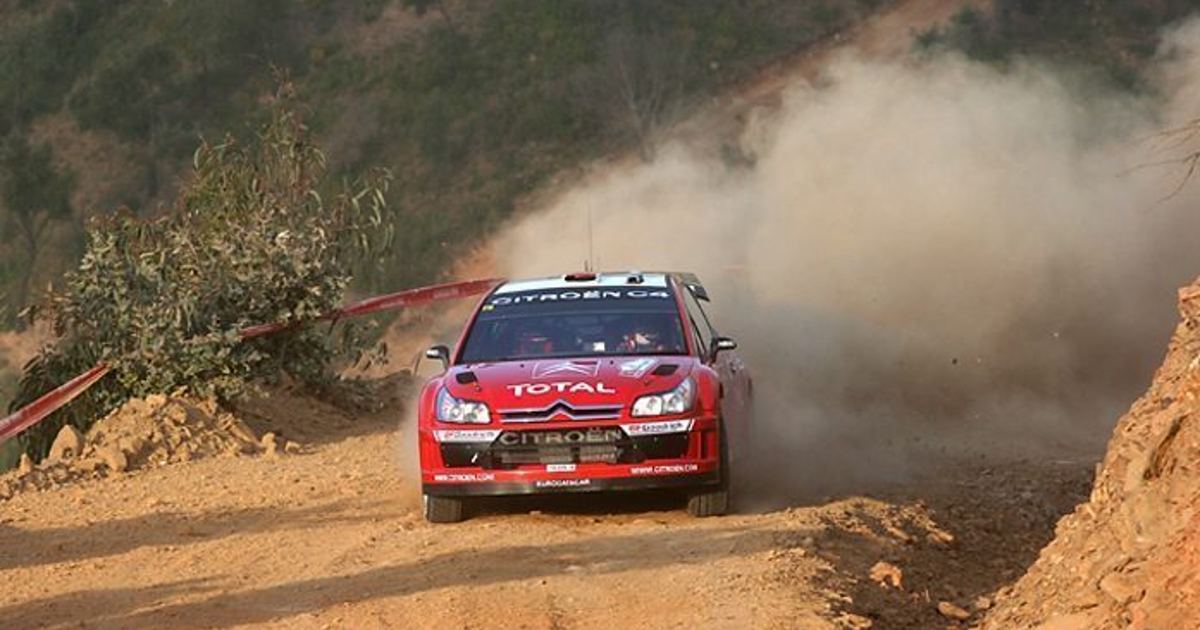
Sébastien Loeb won nine consecutive World Rally Championship titles between 2004 and 2012 driving for Citroën, a run of sustained dominance that remains unmatched in the sport's history and stands among the most decorated championship streaks in any motorsport discipline worldwide. Loeb's combination of technical precision on tarmac stages and adaptability across every surface type the championship threw at him is widely cited as the defining trait behind his historic run.
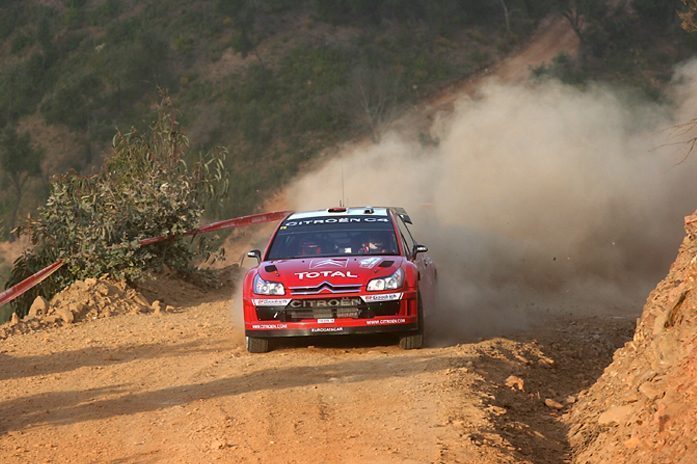
Tommi Mäkinen: four straight in the 1990s
Tommi Mäkinen won four consecutive World Rally Championship titles between 1996 and 1999 driving for Mitsubishi, a run that made him one of the sport's most dominant figures before Loeb's later record-breaking streak. Mäkinen built a reputation for exceptional gravel-stage speed and a famously smooth, controlled driving style that let him extract maximum pace without the visible aggression some rivals relied on.
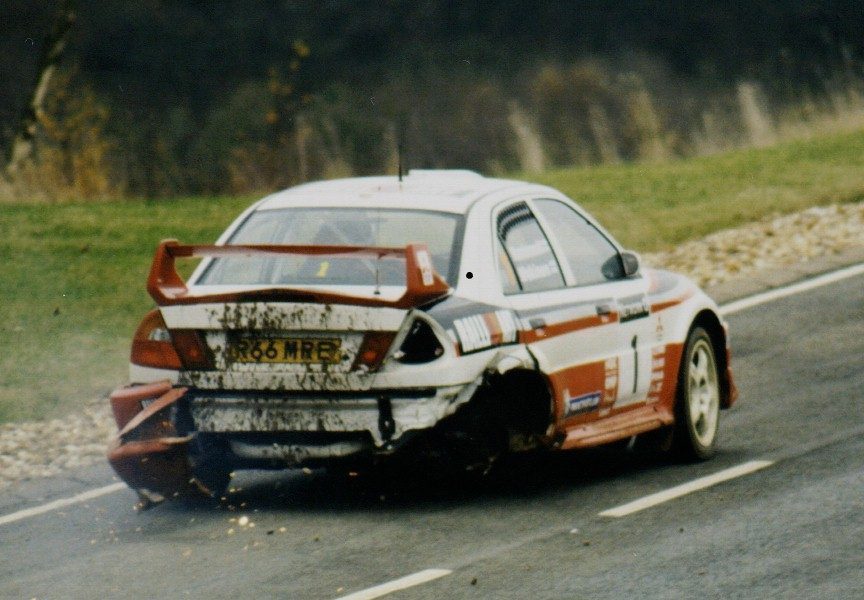
Colin McRae: raw speed and global crossover fame
Colin McRae won the 1995 World Rally Championship and became, alongside his title, one of the sport's biggest global crossover stars, with a video game series bearing his name introducing rallying to a genuinely mainstream audience well beyond the sport's traditional fan base. McRae's reputation rested heavily on his famously aggressive, all-out driving style, often summarized by his own quote that if in doubt, he simply went flat out — a philosophy that produced both spectacular wins and costly retirements throughout his career.
Sébastien Ogier: Loeb's true successor
Sébastien Ogier won eight World Rally Championship titles across his career, positioning him as the closest rival to Loeb's own record and cementing a genuine two-driver conversation at the top of the sport's all-time championship count. Ogier's championships came across multiple different manufacturers and technical eras, including the sport's more recent hybrid Rally1 regulations, demonstrating an adaptability across genuinely different machinery that few other rally champions have had to show.
Other legends who belong in the conversation
Beyond the sport's most decorated champions, drivers like Juha Kankkunen, with four World Championships across the late 1980s and 1990s, Carlos Sainz's two titles and reputation for consistency, and Walter Röhrl's technical mastery across both rallying and later circuit racing all feature prominently in most serious historical rankings of the sport's greatest talents.
How to actually weigh the comparison
Most serious comparisons weigh championship count against competitive depth, how a driver performed across genuinely different surface types and car regulations, and whether their dominance came against a deep, competitive field or a comparatively thin one. By that lens, Loeb's sustained nine-year run, Mäkinen's peak dominance, McRae's crossover fame and raw speed, and Ogier's cross-era adaptability each represent a genuinely different, defensible case for "greatest ever."
Why co-drivers deserve more recognition in this conversation
Every driver's championship record was built alongside a co-driver reading pace notes and managing timing, yet co-drivers rarely receive anywhere near the same public recognition despite their genuinely essential contribution to a crew's results. Julien Ingrassia's partnership with Ogier and Daniel Elena's with Loeb are both frequently cited by rallying insiders as being just as integral to their respective driver's championship success as any pure driving skill, a dimension often missing entirely from casual "greatest ever" conversations.
Peak dominance versus career longevity
Some rankings favor a driver's single most dominant peak season over their full career body of work, while others weigh sustained excellence across many years more heavily — a genuine methodological disagreement that explains why different lists of rallying's greatest drivers can look meaningfully different depending on which standard is applied. Mäkinen's concentrated peak dominance and Loeb's sustained nine-year reign represent two different, equally legitimate answers to that same underlying question.
Frequently asked questions
Who has won the most World Rally Championship titles?
Sébastien Loeb, with nine consecutive titles between 2004 and 2012 driving for Citroën, the most sustained championship streak in the sport's history.
How many WRC titles did Tommi Mäkinen win?
Four consecutive titles between 1996 and 1999 driving for Mitsubishi, built on exceptional gravel-stage speed and a smooth, controlled driving style.
Why is Colin McRae remembered as one of rallying's biggest stars?
He won the 1995 World Championship and became a global crossover star thanks to a video game series bearing his name, introducing rallying to a mainstream audience beyond its traditional fan base.
How many WRC titles has Sébastien Ogier won?
Eight, across multiple manufacturers and technical eras, positioning him as the closest rival to Sébastien Loeb's own record title count.
Is it fair to compare rally drivers across different eras directly?
Not directly — rallying's technical regulations have changed dramatically, from the largely unregulated Group B cars of the 1980s to today's hybrid Rally1 machinery, affecting what's actually comparable between generations.
Who else is considered among rallying's greatest drivers?
Juha Kankkunen with four titles across the late 1980s and 1990s, Carlos Sainz's two titles and reputation for consistency, and Walter Röhrl's technical mastery across rallying and circuit racing.
Do co-drivers get enough credit in greatest-ever conversations?
Rarely — despite being just as integral to a crew's championship success as the driver, co-drivers like Julien Ingrassia and Daniel Elena are often left out of casual greatest-ever rankings entirely.

Maya grew up watching rally stages and motocross before following both sports closely as an adult, and covers the off-road side of motorsport for CNMOTOS — from World Rally Championship gravel stages to Supercross stadiums and grassroots karting.
View all articles by Maya Torres →