Why rivalries define how F1 eras are remembered
Championship numbers fade in memory faster than genuine rivalries do — F1 fans across generations still discuss specific overtakes, collisions and press-conference tension from decades-old title fights far more vividly than they recall the exact points totals involved. See our complete guide to Formula 1 for the fundamentals behind how these championship battles are actually decided.
Senna vs. Prost: teammates turned adversaries
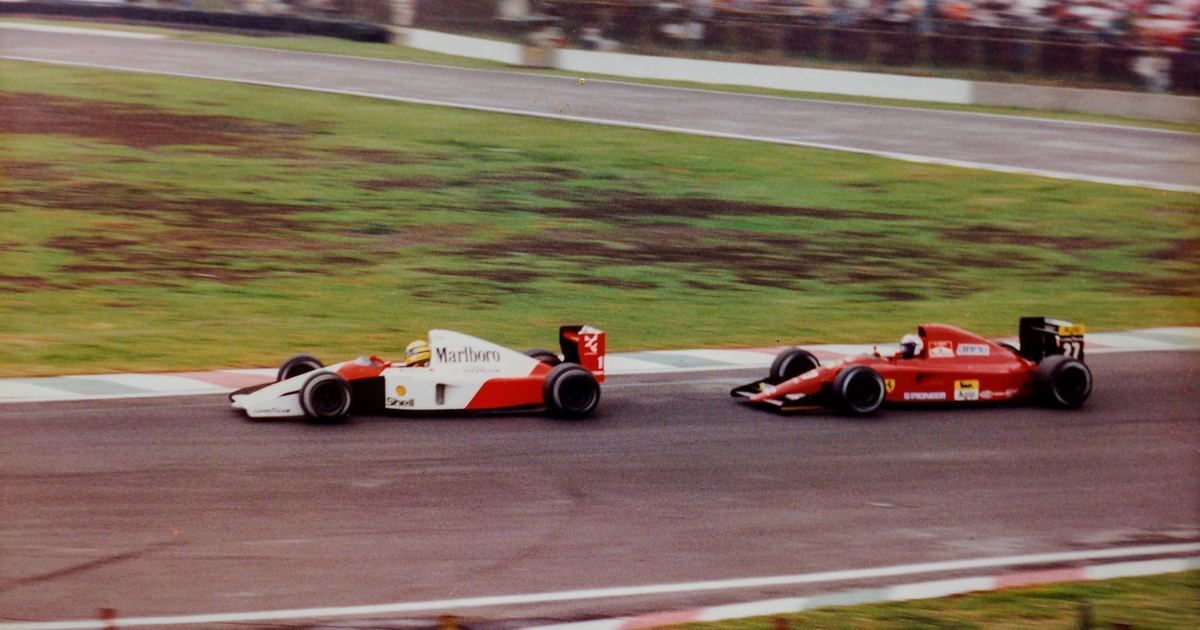
Ayrton Senna and Alain Prost's rivalry began as McLaren teammates in the late 1980s, evolving from professional respect into one of the most intense personal and competitive conflicts in the sport's history, fought across both on-track incidents and public statements to the press. Their rivalry is widely considered the defining storyline of Formula 1's late-1980s and early-1990s period, shaping how both drivers' careers and legacies are remembered decades later.
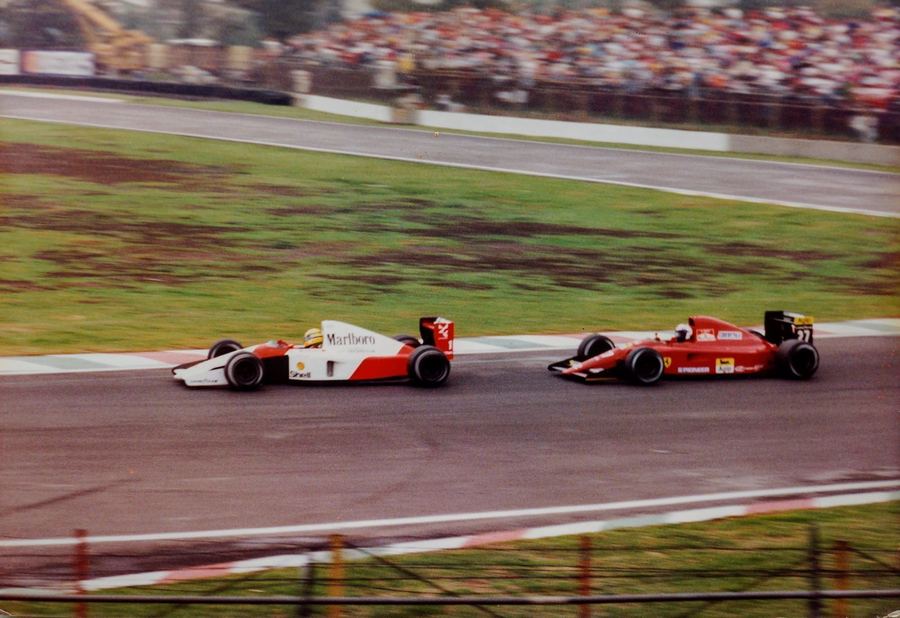
Two title-deciding collisions, one year apart
The Senna-Prost rivalry produced two of the most famous title-deciding collisions in F1 history, at the same corner of the same circuit in consecutive seasons, each one effectively deciding that year's championship in controversial circumstances that both drivers and their teams disputed publicly for years afterward. Those two incidents remain among the most analyzed and debated moments in the sport's entire history, still referenced whenever a modern title fight turns physical.
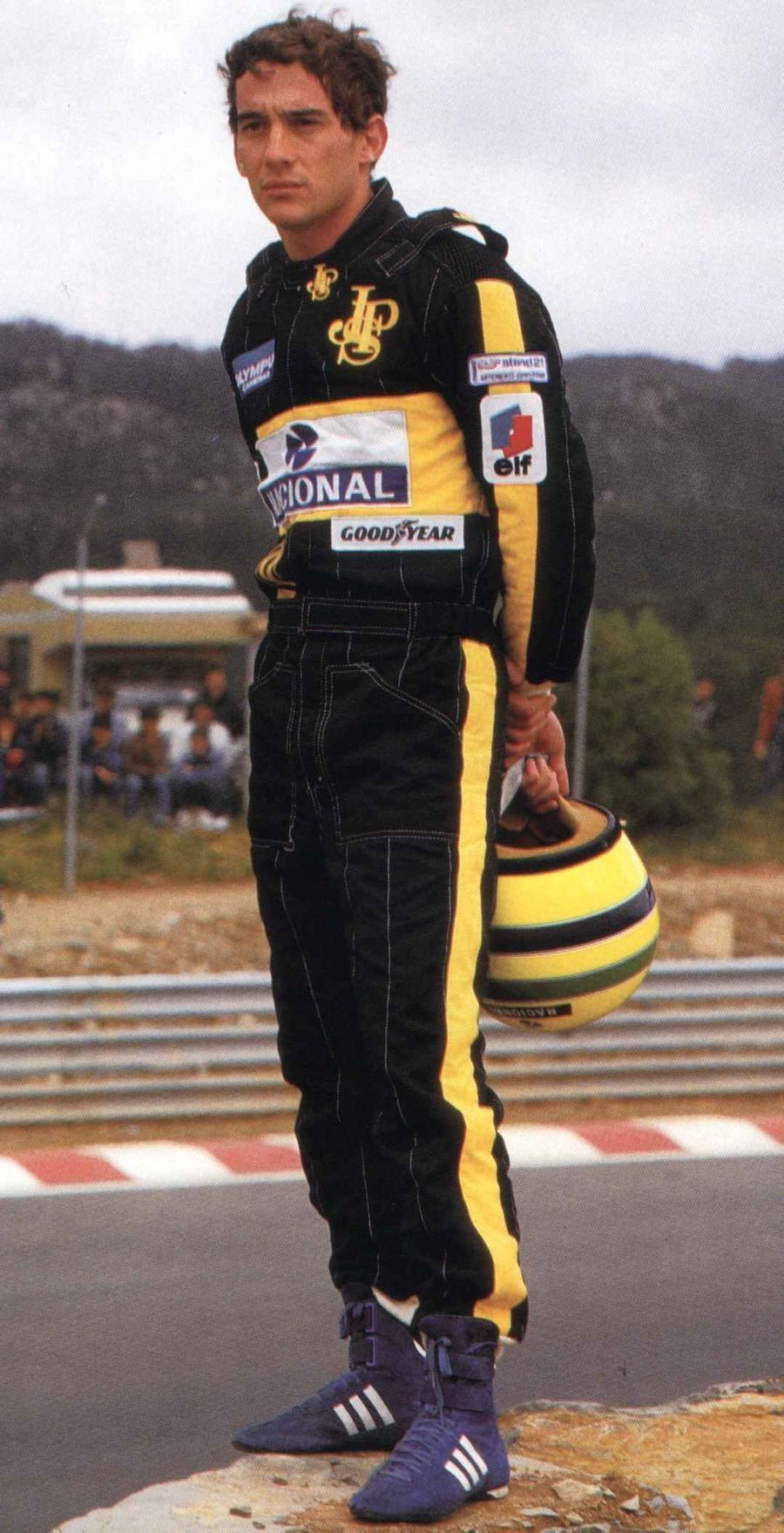
Hamilton vs. Verstappen: a modern title fight
Lewis Hamilton and Max Verstappen's rivalry, which came to a head across the 2021 season, brought the same level of intensity to a modern F1 audience, featuring multiple direct on-track collisions between the two title contenders across the year and a genuinely unprecedented final-round championship swing. Their fight is widely regarded as the fiercest title battle Formula 1 has produced since the sport's hybrid era began, reintroducing genuine wheel-to-wheel tension to a period some critics had felt lacked a truly competitive rivalry at the front.
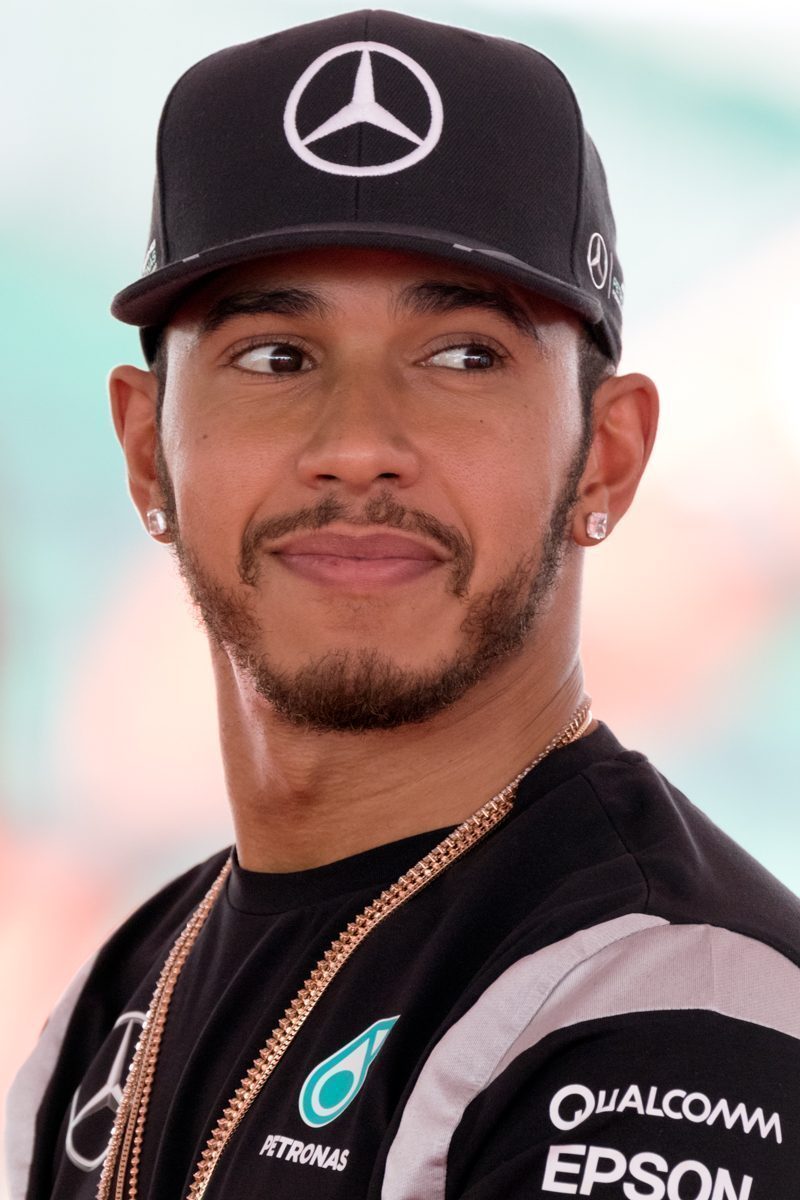
The 2021 season and its controversial finale
The 2021 championship went to the final race of the season with both drivers level on points, an outcome eventually decided under contentious late-race circumstances that prompted a significant governance review of how race control handles safety car restarts in future seasons. That finale's aftermath shaped a number of subsequent procedural changes to how the FIA manages similar late-race situations, a direct legacy of just how consequential that single rivalry's climax became for the sport's own rulebook.
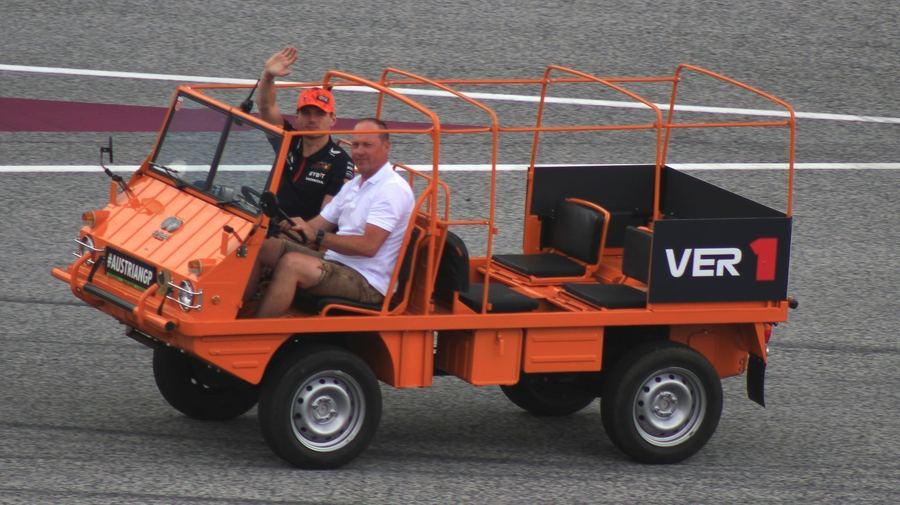
Other rivalries worth knowing
Beyond Senna-Prost and Hamilton-Verstappen, Formula 1's history includes numerous other rivalries fans still discuss — Niki Lauda and James Hunt's contrasting-personality title fight in the 1970s, Michael Schumacher's various rivalries with contemporaries across his championship-winning years, and Sebastian Vettel and Fernando Alonso's competitive tension during Red Bull's dominant early-2010s period. Each reflects a different flavor of competitive intensity, from genuine personal animosity to a more respectful, purely results-driven rivalry.
What actually makes a rivalry great
The rivalries fans remember longest tend to share a few common ingredients: sustained competitiveness across more than a single season, genuine uncertainty about the outcome until late in a championship, and at least occasional direct wheel-to-wheel contact that raised the emotional stakes beyond simple points-table competition. Rivalries missing any of those elements — a lopsided title fight, or one resolved without genuine late-season tension — rarely achieve the same lasting cultural weight within the sport's history.
Teammate rivalries versus rival-team rivalries
Some of F1's most intense rivalries, like Senna-Prost, played out between two drivers on the same team sharing identical machinery, while others, like Hamilton-Verstappen, involved drivers on entirely different constructors racing genuinely different cars. Teammate rivalries tend to carry an added layer of internal team politics and resource allocation tension that a rival-team rivalry simply doesn't have, since both drivers are also competing for their own team's internal support and development priorities.
How media coverage amplifies a rivalry's legacy
The way a rivalry gets covered in the moment — press conference exchanges, television replay analysis of contentious incidents, and post-race driver interviews — plays a real role in how intensely that rivalry gets remembered decades later, sometimes amplifying tension beyond what either driver privately felt. Documentary features and retrospective coverage produced years after a rivalry's conclusion have also helped cement certain fights, like Senna-Prost, as far more culturally significant to newer generations of fans than they might otherwise have remained.
Frequently asked questions
What made the Senna-Prost rivalry so intense?
It began as a McLaren teammate partnership that evolved into one of the sport's most intense personal and competitive conflicts, producing two title-deciding collisions at the same corner in consecutive seasons.
How did the Hamilton vs. Verstappen rivalry come to a head?
Across the 2021 season, featuring multiple direct on-track collisions and a title fight that went to the final race with both drivers level on points.
Did the 2021 F1 season change any rules?
Yes, its contentious finale prompted a significant governance review of how race control handles safety car restarts in similar late-race situations.
What other F1 rivalries are considered historically significant?
Niki Lauda vs. James Hunt in the 1970s, various rivalries involving Michael Schumacher during his championship years, and Sebastian Vettel vs. Fernando Alonso in the early 2010s.
What makes an F1 rivalry genuinely great rather than just a close championship?
Sustained competitiveness across more than one season, genuine uncertainty about the outcome, and at least occasional direct wheel-to-wheel contact that raises the stakes beyond a simple points battle.
Are teammate rivalries different from rivalries between different teams?
Yes, teammate rivalries like Senna-Prost carry added internal team politics and resource tension, since both drivers also compete for their own team's support, unlike a rivalry between drivers on different constructors.

Pippa has followed open-wheel racing for 12 years, from Formula 1's turbo-hybrid era to IndyCar's short ovals, and has watched competitive sim racing grow from a niche hobby into a genuine motorsport discipline in its own right. She covers circuit and open-wheel racing, touring cars and esports for CNMOTOS.
View all articles by Pippa Cook →