Why rivalries define how MotoGP eras are remembered
Much like Formula 1, MotoGP's most memorable eras are usually defined by genuine head-to-head rivalries between its biggest stars rather than by championship point totals alone. See our complete guide to MotoGP for the fundamentals behind how these championship battles are actually decided.
Rossi vs. Marquez: a rivalry that turned genuinely bitter
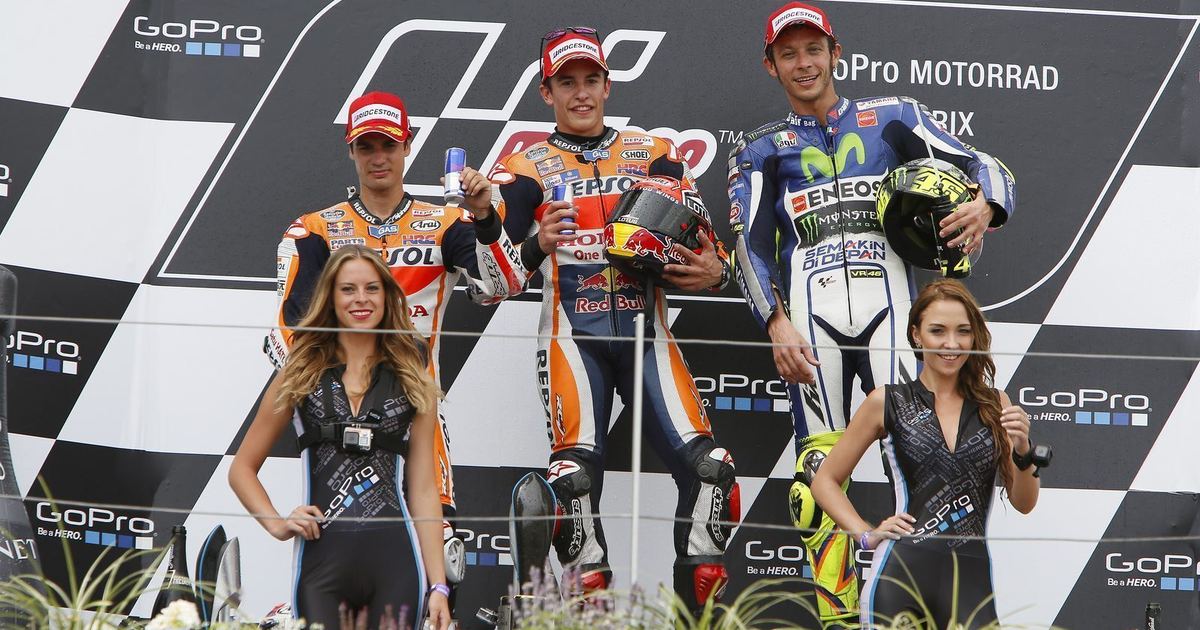
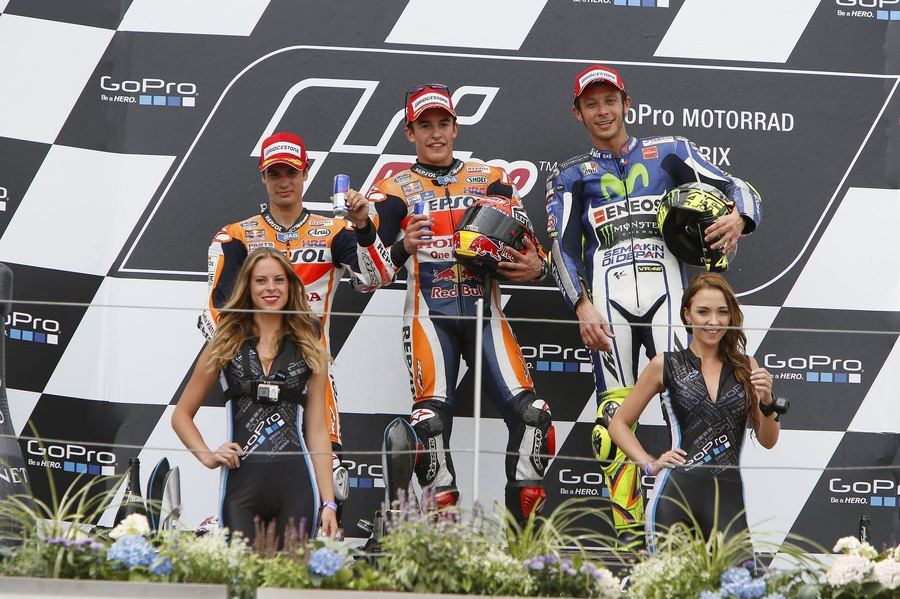
Valentino Rossi and Marc Marquez's rivalry escalated from professional competitive tension into one of MotoGP's most personally heated conflicts during the mid-2010s, as the sport's biggest established star faced a genuinely aggressive new generational talent challenging for the same titles. Their rivalry played out publicly across press conferences, on-track incidents and years of lingering tension that shaped how both riders' careers are discussed by fans even now.
The 2015 Sepang incident and its fallout
The Rossi-Marquez rivalry reached its most famous flashpoint at the 2015 Malaysian Grand Prix at Sepang, where an on-track collision between the two during the race led to a penalty that effectively decided that year's championship, sparking intense debate among fans and pundits that continued for years afterward. That single incident remains one of the most analyzed and debated moments in MotoGP's modern history, referenced whenever a new rivalry shows signs of turning genuinely personal.
Rossi vs. Lorenzo: teammates under real tension
Jorge Lorenzo joined Rossi at Yamaha in 2008, creating a genuine teammate rivalry that carried real tension given both riders were fighting for the same championships aboard machinery built by the same factory team. Their rivalry, while intense, was generally regarded as more professionally respectful than the Rossi-Marquez conflict, built more around pure competitive intensity than personal animosity.
Mick Doohan's era-defining dominance
Rather than a two-rider rivalry, Mick Doohan's mid-1990s period was defined by his near-total dominance over the rest of the 500cc field, a different kind of historically significant storyline where the central drama became whether anyone could genuinely challenge him at all across his five consecutive championship seasons.
Other rivalries worth knowing
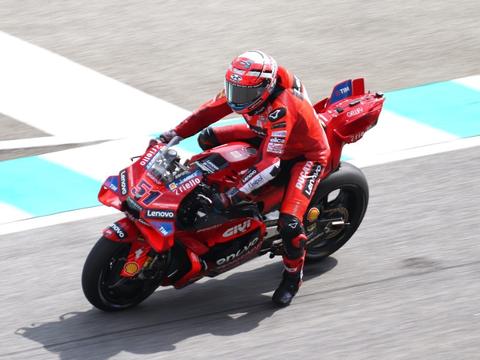
Beyond the sport's most famous modern conflicts, MotoGP's history includes numerous other significant rivalries fans still discuss — Kevin Schwantz and Wayne Rainey's intense early-1990s 500cc battles, Casey Stoner's competitive tension with several contemporaries during his championship-winning seasons, and the ongoing modern rivalry between Marc Marquez and Francesco Bagnaia as MotoGP's current generation of stars. Each reflects a different flavor of competitive intensity across the sport's decades-long history.
What actually makes a MotoGP rivalry great
The rivalries MotoGP fans remember longest tend to share the same core ingredients as great rivalries in any motorsport discipline: sustained competitiveness across more than a single season, genuine uncertainty about the outcome, and moments of direct on-track contact that raise the emotional stakes beyond simple championship-table competition. MotoGP's rivalries carry an added physical dimension that car racing doesn't — a wheel-to-wheel motorcycle incident carries genuinely higher personal risk than an equivalent car racing collision, adding real weight to how these conflicts are remembered.
Manufacturer rivalries alongside rider rivalries
Beyond individual rider conflicts, MotoGP's history also includes genuine manufacturer rivalries running in parallel — Honda versus Yamaha through much of the four-stroke era, and more recently Ducati's rise to challenge both, each shaping which riders had access to the strongest machinery during a given period. Those manufacturer battles often directly enabled or constrained specific rider rivalries, since a rider's own competitive ceiling has always depended heavily on which factory contract they were racing under during their prime seasons.
How rivalries shape long-term fan loyalty
Fans who picked a side during a major MotoGP rivalry often carry that loyalty for years afterward, continuing to follow a favored rider's career trajectory long after a specific rivalry itself has cooled, in a way that shapes attendance, merchandise sales and viewership patterns across the sport. That lasting fan investment is part of why MotoGP's promotional efforts have historically leaned so heavily into building and marketing rider rivalries as a core part of the sport's storytelling.
Frequently asked questions
What happened between Rossi and Marquez at the 2015 Malaysian Grand Prix?
An on-track collision during the race led to a penalty for Rossi that effectively decided that year's championship, sparking intense debate that continued for years afterward.
How did the Rossi-Lorenzo rivalry differ from Rossi-Marquez?
Rossi and Lorenzo were Yamaha teammates fighting for the same championships aboard the same factory machinery, generally regarded as more professionally respectful than the personally heated Rossi-Marquez conflict.
Was Mick Doohan's era defined by a rivalry?
Not a traditional two-rider rivalry — his mid-1990s period was defined by near-total dominance over the 500cc field across five consecutive championship seasons.
What other historic MotoGP rivalries are considered significant?
Kevin Schwantz vs. Wayne Rainey's early-1990s 500cc battles, Casey Stoner's competitive tension with contemporaries, and the modern rivalry between Marc Marquez and Francesco Bagnaia.
What makes a MotoGP rivalry particularly intense compared to other motorsports?
Wheel-to-wheel motorcycle incidents carry genuinely higher personal risk than equivalent car racing collisions, adding real physical weight beyond simple championship-table competition.
Have manufacturers had rivalries alongside individual riders?
Yes, Honda versus Yamaha through much of the four-stroke era, and more recently Ducati's rise to challenge both, shaping which riders had access to the strongest machinery during a given period.
Jack has been a motorcycle racing enthusiast for as long as he can remember. For CNMOTOS, he covers everything from MotoGP and World Superbike to drag racing and the sport's more niche corners, like sidecar and three-wheel racing.
View all articles by Jack Korpela →