Why rivalries define how NASCAR eras are remembered
Much like other major motorsport disciplines, NASCAR's most memorable eras are usually defined by genuine head-to-head rivalries between its biggest stars rather than by championship point totals alone. See our complete guide to NASCAR for the fundamentals behind how these championship battles are actually decided.
Petty vs. Pearson: the sport's longest-running duel
Richard Petty and David Pearson's rivalry played out across more than a decade of racing, producing dozens of finishes where the two crossed the line within a car length of each other, a sustained level of closely matched competition that remains a benchmark for rivalry longevity in the sport's history. Their contrasting personalities — Petty's outgoing showmanship against Pearson's quieter, understated confidence — added a genuine stylistic contrast to their purely competitive battle.
Earnhardt vs. Gordon: old guard against new generation
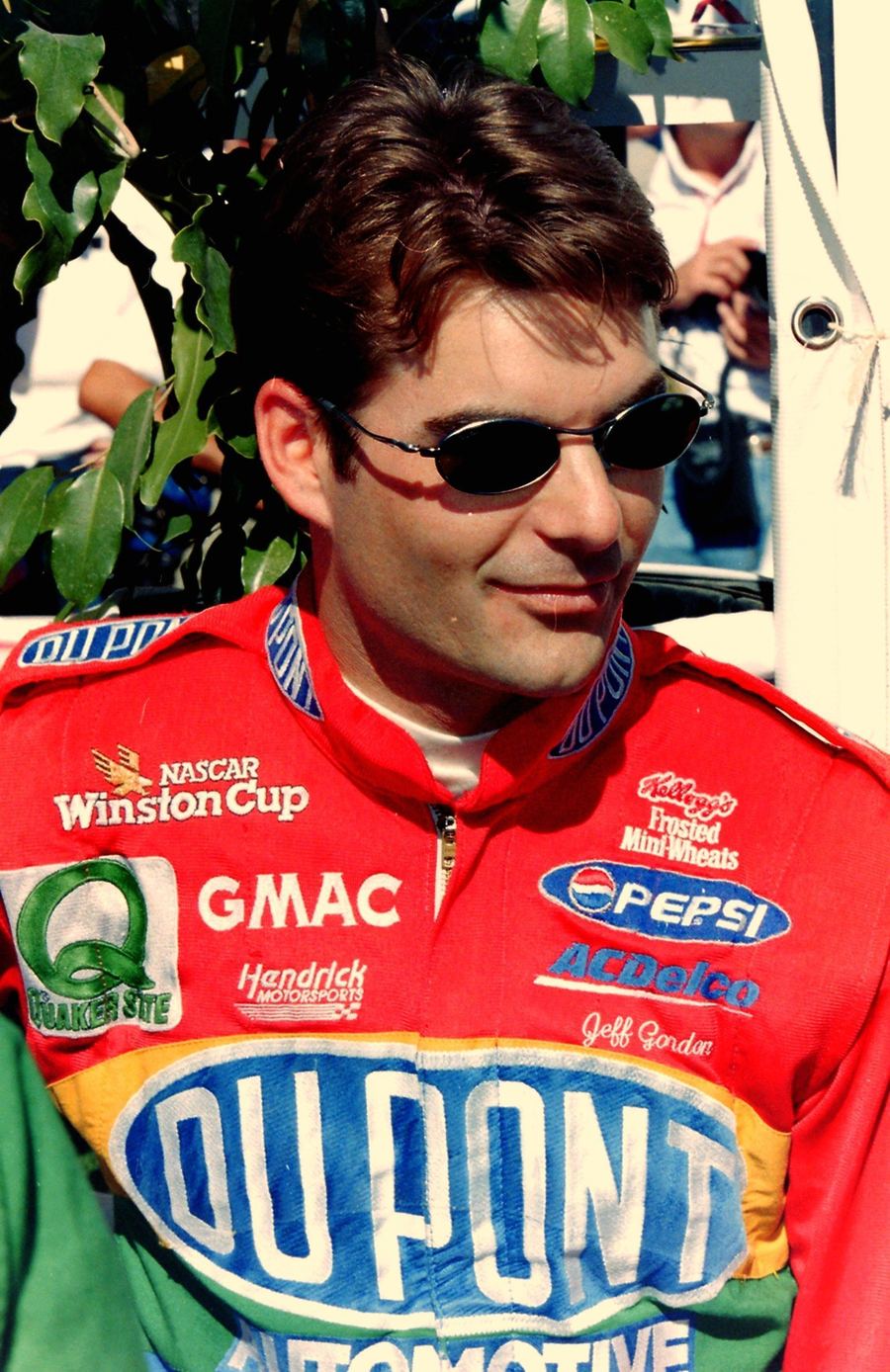
Dale Earnhardt and Jeff Gordon's rivalry captured a genuine generational and stylistic clash during the mid-1990s, pitting Earnhardt's aggressive, established Southern short-track persona against Gordon's clean-cut, media-friendly image and road-racing background. That contrast gave fans a clear storyline to invest in beyond pure points-table competition, with each driver's supporters often viewing the rivalry as representing a broader question about the sport's changing identity.
The Busch brothers: a genuinely personal family rivalry
Kurt and Kyle Busch's sibling rivalry brought a genuinely personal dimension rarely seen in professional motorsport, with the two brothers racing directly against each other at the sport's highest level while carrying whatever family dynamics existed between them into every shared race weekend. That family angle gave their competitive battles a distinctly different emotional register from rivalries built purely between unrelated competitors.
Other rivalries worth knowing
Beyond the sport's most famous conflicts, NASCAR's history includes numerous other significant rivalries fans still discuss — Cale Yarborough and the Allison brothers' physical, sometimes literally fist-fighting battles in the 1970s and 1980s, Jimmie Johnson's competitive tension with contemporaries during his championship-dominant seasons, and the ongoing modern rivalries among the Next Gen era's current generation of championship contenders.
Manufacturer rivalries: Ford, Chevrolet and Toyota
Beyond individual driver conflicts, NASCAR's history also includes genuine manufacturer rivalries running in parallel — the long-standing Ford versus Chevrolet battle that dates back to the sport's earliest decades, and Toyota's more recent arrival reshaping that traditional two-manufacturer dynamic into a genuine three-way manufacturer competition.
What actually makes a NASCAR rivalry great
The rivalries NASCAR fans remember longest tend to share the same core ingredients as great rivalries in any motorsport discipline: sustained competitiveness across more than a single season, genuine uncertainty about the outcome, and moments of direct on-track contact that raise the emotional stakes beyond simple championship-table competition. NASCAR's oval racing format, where contact between cars is both more common and often less immediately consequential than in open-wheel racing, has historically produced a particularly physical, contact-heavy flavor of rivalry distinct from other motorsport disciplines.
Why post-race confrontations became part of NASCAR rivalry culture
Unlike many motorsport disciplines where disputes are handled purely through stewards' rulings, NASCAR's history includes a genuine tradition of drivers confronting each other directly after a race — sometimes verbally, occasionally physically — a cultural element that has become intertwined with how the sport's biggest rivalries are remembered by fans. Those post-race moments, captured on camera and replayed for years afterward, often become as much a part of a rivalry's lasting legacy as anything that happened during the actual race itself.
How modern rivalries differ from the sport's earlier eras
Contemporary NASCAR rivalries tend to play out with heavier media scrutiny and more immediate fan reaction through social media than rivalries from Petty and Pearson's era ever faced, changing how quickly a single on-track incident can escalate into a genuinely public conflict. That shift means modern rivalries often develop and resolve on a much faster public timeline than the sport's earlier multi-season feuds, even when the underlying competitive tension is comparably intense.
Frequently asked questions
How long did the Petty-Pearson rivalry last?
More than a decade, producing dozens of finishes where the two crossed the line within a car length of each other, a benchmark for rivalry longevity in NASCAR history.
What made the Earnhardt-Gordon rivalry so significant?
It captured a genuine generational and stylistic clash, pitting Earnhardt's aggressive, established persona against Gordon's clean-cut image and road-racing background.
Are Kurt and Kyle Busch actually brothers?
Yes, their sibling rivalry brought a genuinely personal dimension to competing directly against each other at NASCAR's highest level.
Has NASCAR always had Ford versus Chevrolet as a manufacturer rivalry?
Yes, it dates back to the sport's earliest decades, with Toyota's more recent arrival reshaping it into a genuine three-way manufacturer competition.
Why does NASCAR racing produce a particularly physical style of rivalry?
Its oval racing format allows contact between cars that's both more common and often less immediately consequential than in open-wheel racing, producing a distinctly physical rivalry style.
Do NASCAR rivalries often involve confrontations after the race?
Yes, the sport has a genuine tradition of drivers confronting each other directly after a race, moments that often become as much a part of a rivalry's legacy as the on-track action itself.

Priya covers endurance racing, NASCAR and drifting for CNMOTOS, drawn to disciplines that reward either sustained consistency over 24 hours or outright commitment in a single tandem battle.
View all articles by Priya Shah →