Why rivalries define how WRC eras are remembered
Much like other major motorsport disciplines, WRC's most memorable seasons are usually defined by genuine head-to-head rivalries between its biggest stars rather than by championship point totals alone. See our complete guide to WRC for the fundamentals behind how these championship battles are actually decided.
Sainz vs. Kankkunen: the 1990 Sanremo controversy
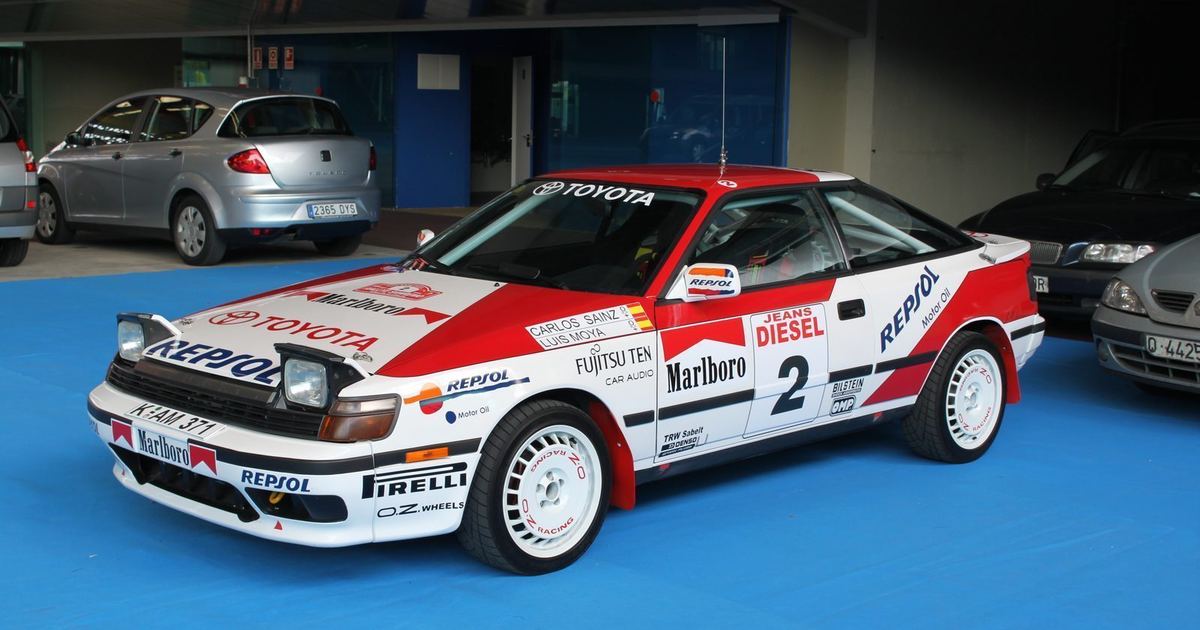
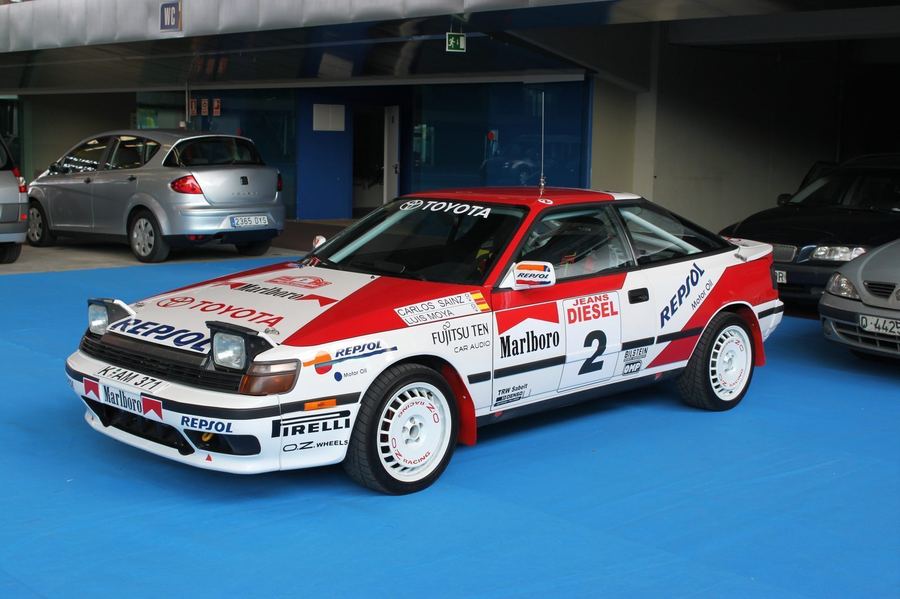
Carlos Sainz and Juha Kankkunen's rivalry produced one of the most controversial finishes in WRC history at the 1990 Rally Sanremo, where post-event scrutineering disqualifications dramatically reshuffled the championship result and sparked years of debate about the ruling's fairness. That single controversial event remains one of the most discussed and analyzed moments in the sport's history, referenced whenever a modern title fight ends in a contested technical ruling.
McRae vs. Mäkinen: contrasting styles, same era
Colin McRae's famously aggressive, all-out driving style and Tommi Mäkinen's smoother, more controlled approach produced a genuine stylistic rivalry throughout the 1990s, with both drivers frequently fighting for the same rally wins despite representing almost opposite philosophies about how to extract speed from a rally car. Their contrasting approaches gave fans a genuinely compelling storyline beyond simple points-table competition, since watching how each driver's style held up against the same stages became its own draw.
Loeb vs. Ogier: a rivalry across two roles
Sébastien Loeb and Sébastien Ogier's relationship carries a genuinely unusual dynamic compared to most great rivalries, since Ogier effectively inherited the mantle of the sport's dominant driver directly from Loeb's retirement, with the two later competing directly against each other in select events after Loeb's initial retirement, blurring the line between successor and rival in a way few other motorsport rivalries have.
Other rivalries worth knowing
Beyond the sport's most famous conflicts, WRC's history includes numerous other significant rivalries fans still discuss — Walter Röhrl and Stig Blomqvist's technical battles in the early 1980s, Marcus Grönholm's competitive tension with contemporaries during his championship-winning seasons, and the ongoing modern rivalry among Rally1's current generation of championship contenders.
Manufacturer rivalries alongside driver rivalries
Beyond individual driver conflicts, WRC's history also includes genuine manufacturer rivalries running in parallel — Lancia versus Audi during the Group B era, and more recently Toyota, Hyundai and M-Sport Ford's ongoing battles under Rally1 regulations — each shaping which drivers had access to the strongest machinery during a given period.
What actually makes a WRC rivalry great
The rivalries WRC fans remember longest tend to share the same core ingredients as great rivalries in any motorsport discipline: sustained competitiveness across more than a single season, genuine uncertainty about the outcome, and moments — whether on-track incidents or contested technical rulings — that raise the stakes beyond simple championship-table competition. Rallying's rivalries carry an added layer of drama specific to the sport, since crews racing against the clock rather than wheel-to-wheel means much of the tension plays out through split-second timing gaps rather than direct on-track contact.
Teammate rivalries: a genuinely different dynamic in rallying
Because rally crews don't race wheel-to-wheel, teammate rivalries in WRC tend to play out very differently from equivalent circuit racing conflicts — tension shows up through team orders disputes, road-sweeping position disadvantages on gravel, and stage-time comparisons rather than any direct on-track incident between the two drivers. That structural difference means some of rallying's most intense teammate rivalries never produced a single moment of direct contact, yet still carried genuine competitive bitterness between the drivers involved.
How rivalries connect different generations of the sport
Several of rallying's rivalries carry a genuine multi-generational thread, with veteran drivers mentoring or competing against the very talents who would eventually challenge and surpass them, creating storylines that span well beyond a single rivalry's own active years. That generational continuity — visible in how Loeb's own career overlapped with both Mäkinen's final seasons and Ogier's emergence — gives WRC's rivalry history a genuinely connected narrative thread running across multiple distinct eras rather than a series of isolated conflicts.
Frequently asked questions
What happened at the 1990 Rally Sanremo between Sainz and Kankkunen?
Post-event scrutineering disqualifications dramatically reshuffled the championship result, sparking years of debate about the ruling's fairness — one of the most controversial finishes in WRC history.
How did McRae and Mäkinen's driving styles differ?
McRae was famously aggressive and all-out, while Mäkinen was smoother and more controlled, giving fans a genuine stylistic rivalry despite both frequently fighting for the same wins.
What makes the Loeb-Ogier rivalry unusual?
Ogier effectively inherited the mantle of the sport's dominant driver directly from Loeb's retirement, with the two later competing directly against each other in select events, blurring the line between successor and rival.
Have manufacturers had rivalries in WRC alongside drivers?
Yes, Lancia versus Audi during the Group B era, and more recently Toyota, Hyundai and M-Sport Ford's ongoing battles under Rally1 regulations.
Why do WRC rivalries feel different from rivalries in circuit racing?
Crews race against the clock rather than wheel-to-wheel, so much of the tension plays out through split-second timing gaps and contested rulings rather than direct on-track contact.
Do WRC teammate rivalries ever involve direct on-track contact?
Rarely — since crews don't race wheel-to-wheel, teammate tension usually shows up through team orders disputes and road-sweeping disadvantages rather than any direct incident between the drivers.

Maya grew up watching rally stages and motocross before following both sports closely as an adult, and covers the off-road side of motorsport for CNMOTOS — from World Rally Championship gravel stages to Supercross stadiums and grassroots karting.
View all articles by Maya Torres →