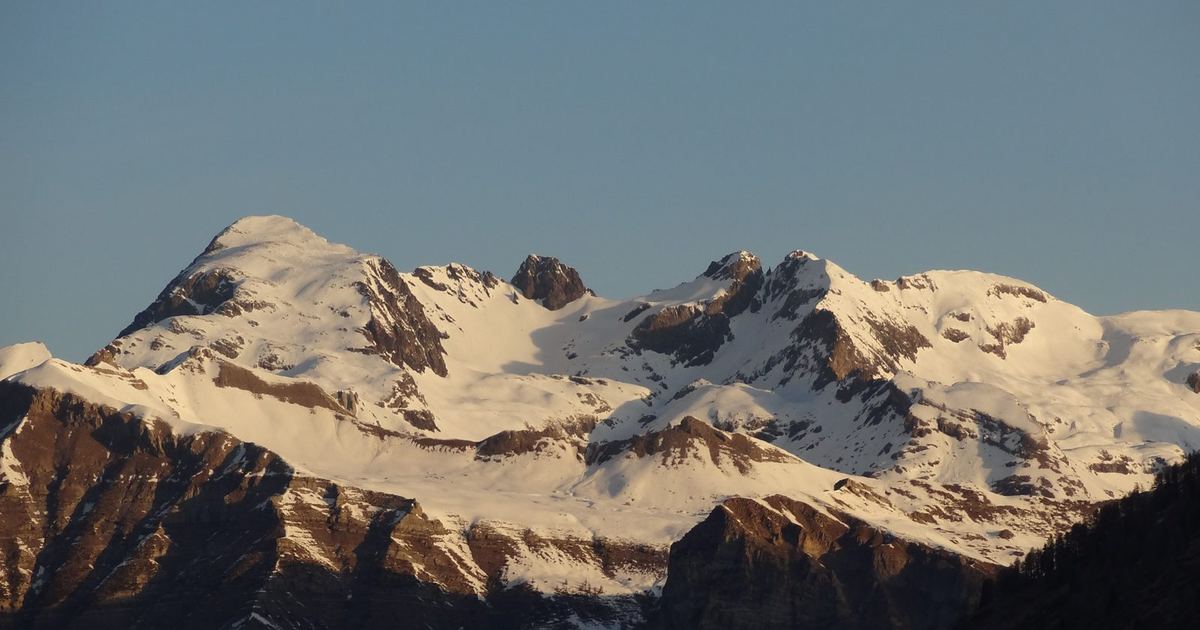
Why some rallies carry more prestige than others
Every round of the World Rally Championship awards the same points regardless of the event, but certain rallies have built a reputation over decades that gives them genuine extra prestige among drivers, teams and fans beyond their pure championship value. See our complete guide to WRC for how the championship's points system and calendar actually work.
Rallye Monte-Carlo: the sport's oldest prestige event
The Rallye Monte-Carlo dates back to 1911, making it one of the oldest organized motorsport events in the world, and it has traditionally opened the WRC calendar each January, giving it a symbolic significance as the season's curtain-raiser in addition to its own deep historical pedigree.
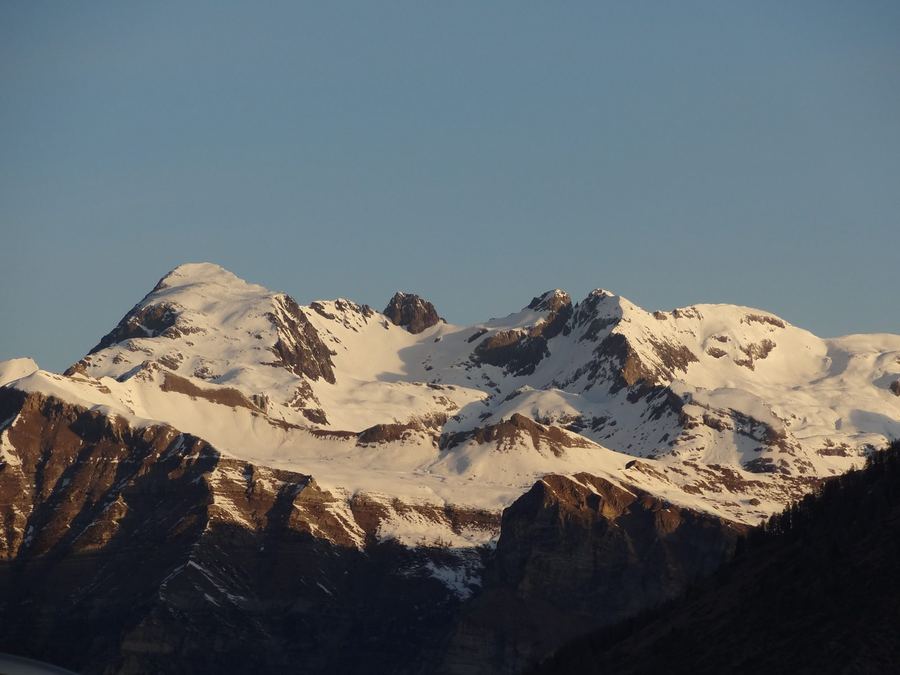
Monte Carlo's uniquely unpredictable conditions
Monte Carlo's stages run through the mountains above the French Riviera in January, where road conditions can shift from dry tarmac to patches of snow and ice within the same stage, forcing teams into genuinely difficult tire choice gambles since a single stage might demand completely different tires at different points along its length. That unpredictability has produced some of the sport's most dramatic tire-strategy storylines over the decades, since guessing conditions wrong can cost a competitive team the entire event.
The Safari Rally: rallying's toughest endurance test
The Safari Rally, held in Kenya, has built a reputation as one of the most physically demanding events on the calendar, historically run across extremely long stages on rough terrain that punished both cars and crews far beyond what most other rounds demanded, with reliability sometimes mattering as much as outright pace.
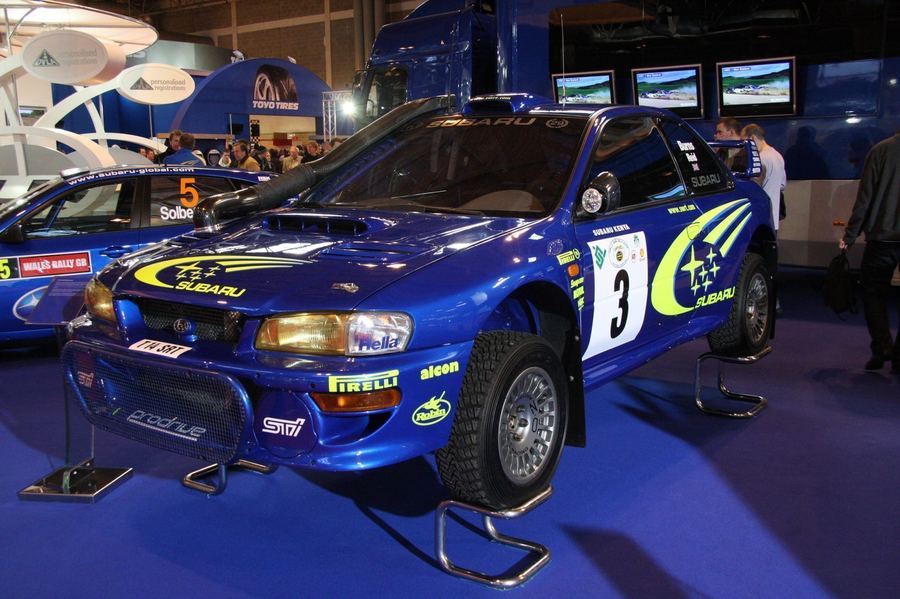
The Safari Rally's return to the WRC calendar
After an extended absence from the world championship calendar, the Safari Rally returned to the WRC in 2021, greeted enthusiastically by fans and competitors who had long considered its absence a genuine gap in the championship's global reach and historical character. Its return also reflected the WRC's broader push to maintain a genuinely global calendar rather than concentrating rounds too heavily within Europe.
Rally Finland: the "Grand Prix of Rallying"
Rally Finland has earned the nickname "the Grand Prix of Rallying" for its exceptionally fast, smooth gravel roads that let cars reach genuinely high average speeds punctuated by dramatic jumps over blind crests, a combination that's made it a fan-favorite round for both its visual spectacle and its reputation as a pure speed test rather than a survival exercise. Finnish drivers have historically dominated the event, a reflection of how much local knowledge of the country's distinctive high-speed gravel roads seems to matter at this specific rally.
What actually makes a rally prestigious
The common thread across these three events is a genuinely long, storied history combined with a distinctive character that no other round on the calendar quite replicates — Monte Carlo's unpredictable mixed conditions, Safari's brutal endurance test, and Finland's pure high-speed spectacle each offer something the rest of the championship simply doesn't, which is exactly why winning any of them carries weight well beyond the championship points on offer.
The "local hero" factor at prestige events
Each of these three rallies also carries a strong local sporting culture around it — Monte Carlo's deep roots in European motorsport heritage, Safari's status as a genuine national sporting event in Kenya, and Finland's fame for producing an outsized number of the sport's fastest gravel specialists — meaning a home victory at any of the three carries extra cultural significance well beyond what a neutral-venue round could offer a local driver.
How prestige events shape manufacturer development priorities
Manufacturers sometimes direct extra development attention toward specific high-prestige rounds, refining car setups with a particular event's unique demands in mind precisely because a strong result at one of these historically significant rallies carries outsized marketing and reputational value compared with a similarly strong result at a less storied round. That extra focus can occasionally be seen in how much more competitive certain teams look at Monte Carlo, Safari or Finland compared with their form across the rest of the season.
Frequently asked questions
How old is the Rallye Monte-Carlo?
It dates back to 1911, making it one of the oldest organized motorsport events in the world, and it traditionally opens the WRC calendar each January.
Why is Monte Carlo known for unpredictable tire strategy?
Stages run through mountains where conditions can shift from dry tarmac to snow and ice within the same stage, forcing genuinely difficult tire choice gambles that can decide the event.
Why is the Safari Rally considered rallying's toughest event?
Historically run across extremely long stages on rough Kenyan terrain, it punished cars and crews far beyond most other rounds, making reliability matter as much as outright pace.
When did the Safari Rally return to the WRC calendar?
2021, after an extended absence that fans and competitors had long considered a genuine gap in the championship's global reach and historical character.
Why is Rally Finland called the 'Grand Prix of Rallying'?
Its exceptionally fast, smooth gravel roads let cars reach high average speeds punctuated by dramatic jumps, making it a pure speed test rather than a survival exercise.
Do all WRC rallies award the same championship points?
Yes, every round awards the same points regardless of the event, though certain rallies carry extra prestige among drivers and fans due to their history and distinctive character.
Do manufacturers put extra effort into these specific prestige rallies?
Sometimes yes — a strong result at a historically significant round like Monte Carlo, Safari or Finland carries outsized marketing value, occasionally leading teams to focus extra development attention there.

Maya grew up watching rally stages and motocross before following both sports closely as an adult, and covers the off-road side of motorsport for CNMOTOS — from World Rally Championship gravel stages to Supercross stadiums and grassroots karting.
View all articles by Maya Torres →

.jpg)
