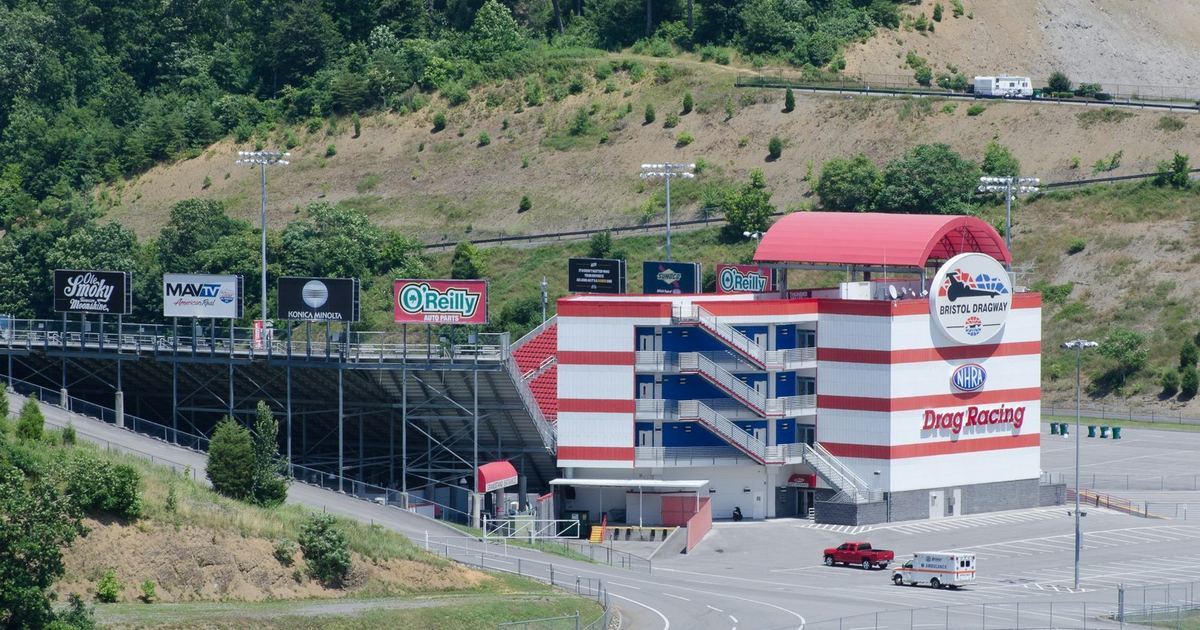
Why some tracks carry more prestige than others
Every NASCAR Cup Series race awards points on the same overall scale, but certain tracks have built a reputation over decades that gives them genuine extra prestige among drivers, teams and fans beyond their pure championship value. See our complete guide to NASCAR for how the championship's points system and calendar actually work.
Daytona International Speedway: NASCAR's spiritual home
Daytona International Speedway sits in Daytona Beach, Florida, the same city where NASCAR was formally founded in 1948, giving the track a genuine historical connection to the sport's origins that no other venue on the calendar can claim. Bill France Sr. built the speedway specifically to replace the beach-and-road courses NASCAR had used previously, creating a purpose-built superspeedway that would define much of the sport's subsequent technical direction.
The Daytona 500's unique season-opening prestige
The Daytona 500 opens the NASCAR Cup Series season every February and carries a prestige considered roughly equivalent to a season-championship-deciding race despite happening at the very start of the year, reflecting decades of tradition around treating it as the sport's single most significant individual event. That unusual dynamic — a season-opening race carrying championship-level prestige — is genuinely distinct from how most other major motorsport disciplines structure their own most prestigious events.
Talladega Superspeedway: NASCAR's fastest, most unpredictable track
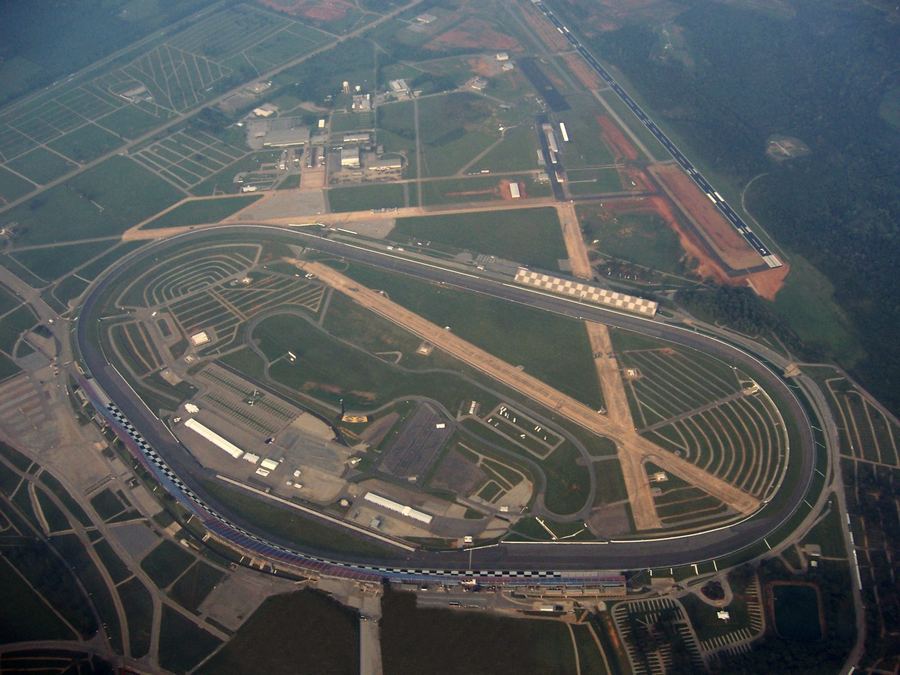
Talladega Superspeedway in Alabama is NASCAR's largest track by length and has historically produced some of the highest recorded speeds in the sport's history, alongside a reputation for genuinely unpredictable pack racing finishes that can completely reshuffle the championship standings in a single afternoon.
Bristol Motor Speedway: "The Last Great Colosseum"
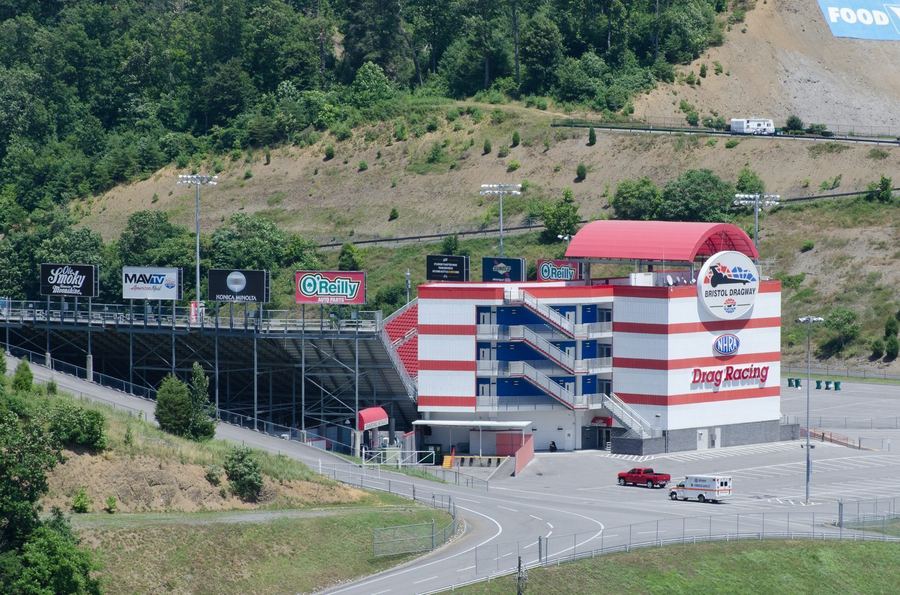
Bristol Motor Speedway, nicknamed "The Last Great Colosseum," packs a massive spectator capacity around an unusually short half-mile track with steep banking, creating an atmosphere fans and drivers frequently describe as genuinely unlike anywhere else on the calendar, with the entire crowd positioned close enough to see the whole track from nearly any seat.
Why Bristol's night race carries its own mythology
Bristol's evening race under the track's lighting system has built its own distinct mythology within NASCAR, historically selling out its enormous capacity for consecutive seasons and producing a genuinely different visual and atmospheric experience compared to the track's daytime events. That specific race has become one of the most anticipated single dates on the NASCAR calendar for many longtime fans, independent of whatever championship stakes happen to be in play that particular season.
What actually makes a track iconic
The common thread across Daytona, Talladega and Bristol is a genuinely distinctive character that no other track on the calendar quite replicates — Daytona's founding-era historical weight, Talladega's unmatched speed and unpredictability, and Bristol's uniquely intense, close-quarters atmosphere each offer something the rest of the championship simply doesn't, which is exactly why racing at any of the three carries weight well beyond the championship points on offer.
How ownership history shaped these tracks' identities
All three tracks share a connection to NASCAR's own France family ownership lineage at various points in their history, reflecting how closely intertwined the sport's commercial and competitive sides have remained since Bill France Sr.'s founding era, with track ownership decisions directly shaping scheduling, renovation investment and each venue's long-term promotional strategy. That ownership continuity has helped preserve each track's distinctive character across decades, rather than leaving it vulnerable to being diluted by disconnected, purely profit-focused ownership changes.
How these tracks have physically changed over the decades
Despite their iconic status, all three venues have undergone significant physical renovations over the decades — expanded seating capacity, updated garage and media facilities, and in some cases modified banking or track surface — reflecting ongoing investment to keep genuinely historic venues competitive with newer facilities elsewhere on the calendar. Those renovations have generally aimed to preserve each track's essential character even while modernizing the surrounding infrastructure fans and teams actually experience on a race weekend.
Frequently asked questions
Why is Daytona considered NASCAR's spiritual home?
It sits in Daytona Beach, Florida, the same city where NASCAR was formally founded in 1948, giving it a direct historical connection to the sport's origins.
Why does the Daytona 500 carry such high prestige despite opening the season?
Decades of tradition have treated it as the sport's single most significant individual event, giving a season-opening race a prestige roughly equivalent to a championship-deciding race.
What makes Talladega Superspeedway distinctive?
It's NASCAR's largest track by length, has produced some of the sport's highest recorded speeds, and is known for unpredictable pack racing finishes that can reshuffle the championship standings.
Why is Bristol Motor Speedway called 'The Last Great Colosseum'?
It packs a massive spectator capacity around an unusually short, steeply banked half-mile track, creating an atmosphere where the entire crowd is close enough to see the whole track from nearly any seat.
What makes Bristol's night race special?
Its evening race under the track's lighting has built its own mythology, historically selling out for consecutive seasons and offering a genuinely different atmosphere from the track's daytime events.
Do all NASCAR tracks award the same championship points?
Yes, every race awards points on the same overall scale, though certain tracks carry extra prestige among drivers and fans due to their history and distinctive character.
Have Daytona, Talladega and Bristol changed physically over time?
Yes, all three have undergone significant renovations including expanded seating and updated facilities, while generally aiming to preserve each track's essential character.

Priya covers endurance racing, NASCAR and drifting for CNMOTOS, drawn to disciplines that reward either sustained consistency over 24 hours or outright commitment in a single tandem battle.
View all articles by Priya Shah →


.jpg)