The genuine moonshine connection
NASCAR's origin story is genuinely tied to Prohibition-era and post-Prohibition moonshine running across the American South, where bootleggers modified ordinary cars with more powerful engines specifically to outrun law enforcement while transporting illegal alcohol. See our complete guide to NASCAR for how the modern championship those early moonshine runners' racing eventually became actually works today.
Why moonshine runners became such skilled drivers
Successfully evading police on winding rural roads at night required genuinely exceptional car control and vehicle knowledge, skills moonshine runners developed purely out of practical necessity rather than any formal racing training, since a caught bootlegger faced serious legal consequences that made driving skill a matter of real personal stakes. Those same driving skills, and often the same modified cars, translated directly into informal racing competitions once the practical need for evading police wasn't the primary motivation.
How informal racing began among former runners
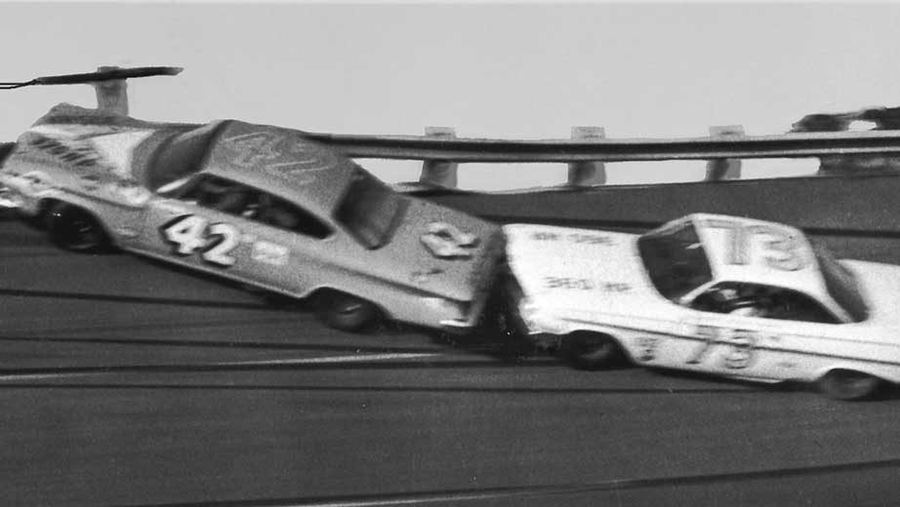
Former and active moonshine runners began organizing informal races on dirt tracks and beach courses across the Southeast during the 1930s and 1940s, competing partly for bragging rights and partly for genuine prize money, in events that operated with wildly inconsistent rules and organization from track to track. That inconsistency — different tracks running different rules, uneven prize payouts, and no unified championship structure — created a genuine organizational problem that early stock car racing needed to solve to grow into something more sustainable.
Bill France Sr. organizes the chaos
Bill France Sr., a mechanic and driver himself who had settled in Daytona Beach, Florida, recognized the commercial potential in organizing this scattered racing scene into a single, unified sanctioning body with consistent rules, fair prize distribution and a genuine national points championship. His organizational efforts brought together competing track owners and drivers who had previously operated under completely separate, uncoordinated local rules.
NASCAR's formal founding in 1948
NASCAR was formally founded in December 1948 in Daytona Beach, with France as its first president, establishing the organizational structure — standardized rules, a genuine championship points system, and sanctioned events — that transformed scattered regional stock car racing into a coordinated national sport for the first time.
The first "Strictly Stock" season in 1949
NASCAR's first premier series, initially called "Strictly Stock," ran its inaugural season in 1949, requiring cars to be genuine unmodified production models fresh off manufacturer showroom floors, a deliberate rule specifically designed to keep competition accessible to ordinary racers rather than requiring the kind of specialized engineering that would later come to define the sport's top categories.
From outlaw racing to a national institution
The journey from Prohibition-era bootlegging to today's multi-billion-dollar national sport represents one of the most genuinely unusual origin stories in major American professional sports, with several of NASCAR's earliest and most successful competitors carrying direct personal connections to the moonshine-running culture that indirectly produced the sport's founding talent pool. That outlaw heritage remains a genuinely celebrated part of NASCAR's own self-mythology today, referenced frequently in the sport's own historical storytelling rather than treated as an embarrassing footnote.
Junior Johnson: the clearest bridge between both worlds
Junior Johnson stands as perhaps the clearest individual example of the moonshine-to-NASCAR pipeline, having genuinely run moonshine before becoming one of the sport's most successful early drivers and later a championship-winning team owner, a career arc that embodied the sport's transition from outlaw roots to legitimate professional competition within a single lifetime. His story is frequently cited specifically because it demonstrates the pipeline wasn't merely a vague cultural connection but a genuine, direct career path for some of the sport's actual founding-era competitors.
The makeshift tracks of NASCAR's earliest seasons
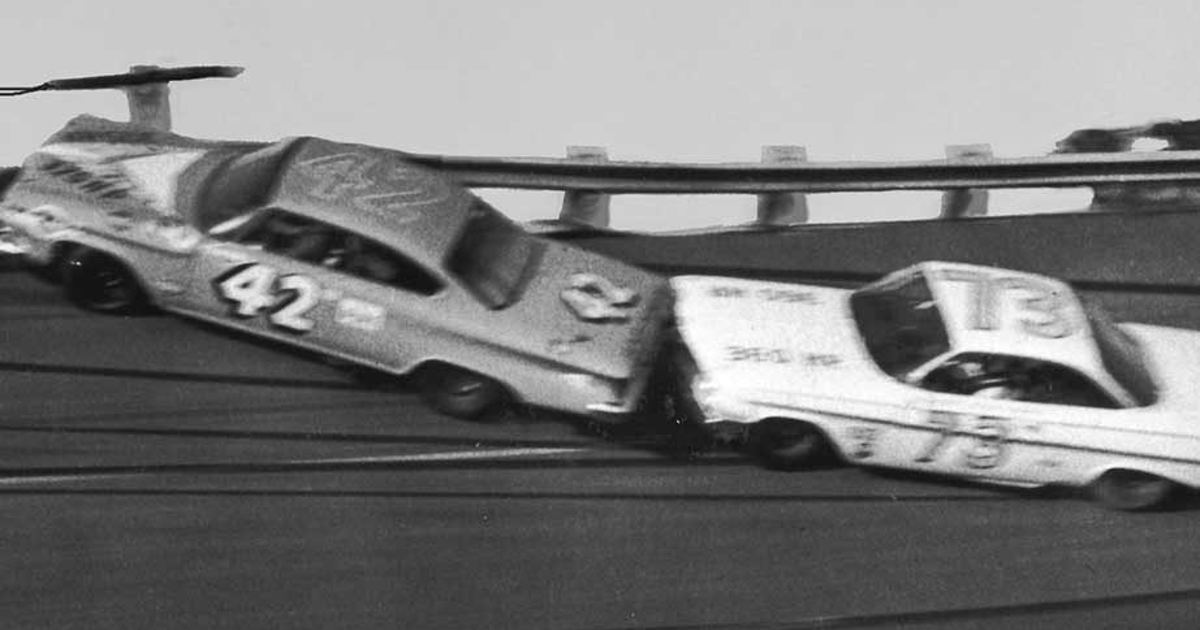
Before purpose-built superspeedways existed, early NASCAR races ran on genuinely improvised venues including beach-and-road courses combining a stretch of actual public highway with a section of hard-packed sand, along with converted dirt tracks originally built for other purposes entirely. That reliance on makeshift venues reflected how young and under-resourced the sport still was in its earliest years, well before Bill France Sr.'s later investment in purpose-built superspeedways transformed NASCAR's physical infrastructure entirely.
Frequently asked questions
Is it true that NASCAR has roots in moonshine running?
Yes, genuinely — Prohibition-era and post-Prohibition bootleggers modified cars with more powerful engines to outrun law enforcement, and those same driving skills fed directly into early informal stock car racing.
Who founded NASCAR?
Bill France Sr., a mechanic and driver who organized the scattered, inconsistently-run regional stock car racing scene into a single sanctioning body with unified rules in December 1948.
When was NASCAR formally founded?
December 1948, in Daytona Beach, Florida, with Bill France Sr. as its first president.
What was NASCAR's first premier series called?
'Strictly Stock,' which ran its inaugural season in 1949, requiring genuinely unmodified production cars straight from manufacturer showroom floors.
Why did early stock car racing need better organization?
Different tracks ran wildly inconsistent rules and uneven prize payouts with no unified championship structure, a genuine problem for the sport's ability to grow sustainably.
Does NASCAR still reference its moonshine-running origins today?
Yes, that outlaw heritage remains a genuinely celebrated part of the sport's own historical storytelling rather than an embarrassing footnote.
Who is Junior Johnson and why is he important to NASCAR's origin story?
A driver who genuinely ran moonshine before becoming one of the sport's most successful early competitors and later a championship-winning team owner, embodying the sport's outlaw-to-legitimate transition.

Priya covers endurance racing, NASCAR and drifting for CNMOTOS, drawn to disciplines that reward either sustained consistency over 24 hours or outright commitment in a single tandem battle.
View all articles by Priya Shah →