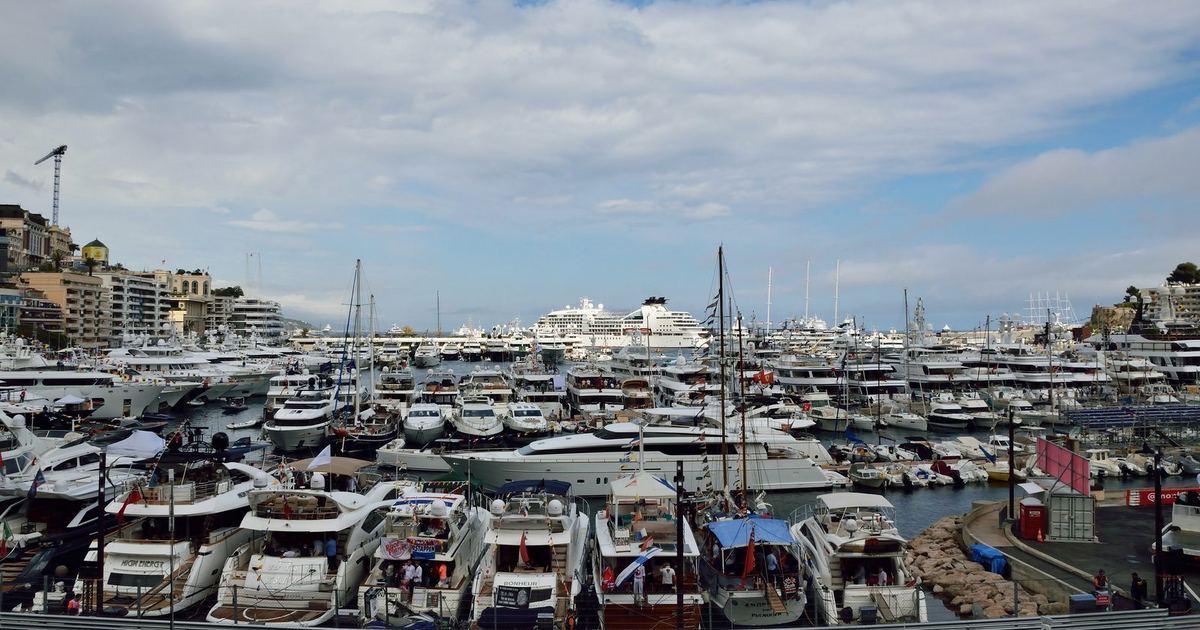
A race older than the World Championship itself
The Monaco Grand Prix was first run in 1929, more than two decades before Formula 1's official World Championship began in 1950, giving it a historical pedigree that predates the sport's formal structure entirely. See our complete guide to Formula 1 for how Monaco fits into the sport's modern calendar and points system.
The circuit: tight, narrow and unforgiving
The Circuit de Monaco runs through the actual public streets of Monte Carlo, featuring some of the tightest corners and narrowest track width anywhere on the modern F1 calendar, with barriers positioned close enough to the racing line that a single small error routinely ends a driver's session against the wall. That unforgiving layout means a driver has essentially zero margin for mistakes across the entire lap, a genuinely different demand from wider, more forgiving purpose-built circuits elsewhere on the calendar.
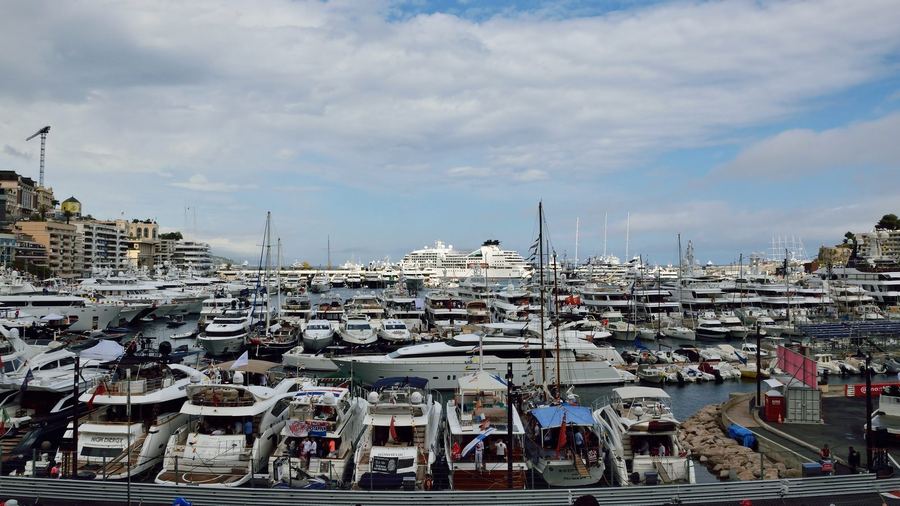
The overtaking problem, and why it doesn't matter
Monaco's tight, low-speed layout makes genuine on-track overtaking extremely difficult compared to circuits with longer straights and wider racing lines, a limitation that has drawn real criticism from fans and pundits who feel modern Monaco races can lack wheel-to-wheel action. Despite that, Monaco has never lost its status as the race every driver most wants to win, since the challenge of the lap itself — rather than overtaking opportunity — is what the circuit is genuinely famous for testing.
Why qualifying matters more here than anywhere else
Because overtaking is so difficult at Monaco, track position becomes disproportionately valuable, making Saturday qualifying arguably more decisive for the final race result here than at almost any other circuit on the calendar. A driver who qualifies poorly at Monaco often has little realistic hope of recovering significant positions purely through race pace, a dynamic that places enormous pressure on a single flying qualifying lap around the tightest track in the sport.
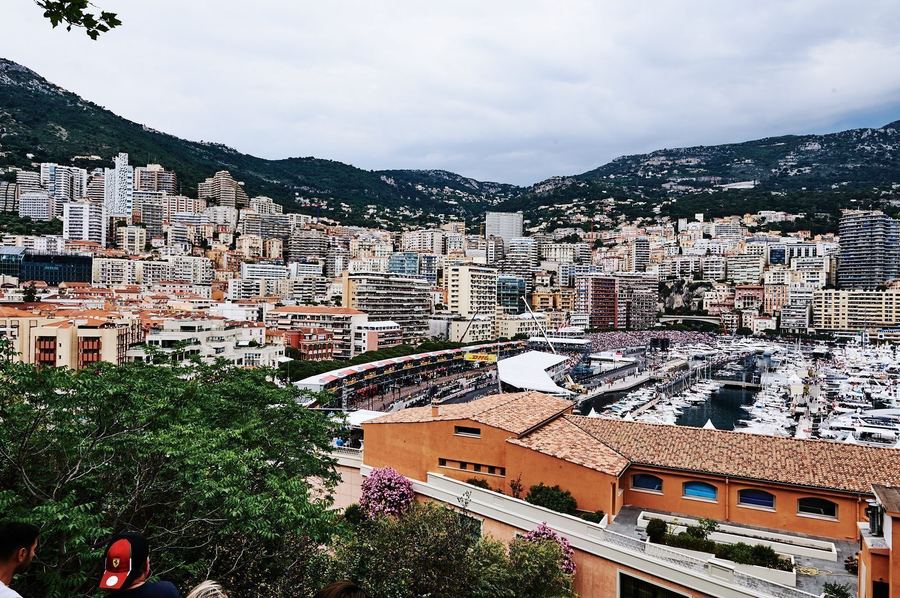
The glamour factor: Monaco as a cultural event
Beyond the racing itself, the Monaco Grand Prix carries a cultural prestige most other rounds on the calendar simply don't have, tied to the principality's long-standing association with wealth, glamour and international celebrity attendance dating back decades. That reputation means winning at Monaco carries a symbolic weight that extends well beyond the 25 championship points on offer for a race win, closer in prestige terms to how other sports treat their single most historically significant annual event.
Drivers who mastered Monaco
Ayrton Senna's six career wins at Monaco remain the most by any driver in the race's history, a record widely cited as one of the clearest examples of his exceptional single-lap and low-margin-for-error driving skill translating directly into results at the sport's most demanding circuit. Several other multiple World Champions have also built some of their most memorable career wins specifically at Monaco, reinforcing the circuit's reputation as a genuine measuring stick for the sport's very best drivers.
Modern criticism, and why F1 keeps it anyway
Some modern critics have argued Monaco's on-track product has fallen behind other circuits as F1 cars have grown physically larger and overtaking has become even harder relative to the circuit's fixed, unchangeable street layout. Despite that recurring criticism, Formula 1 has continued prioritizing Monaco's place on the calendar, reflecting how much the race's historical prestige and cultural significance outweigh pure on-track action in the sport's own calculus.
What winning Monaco still proves about a driver
Regardless of overtaking criticism, mastering Monaco's unique demands — extracting a perfect qualifying lap with literally no margin for error, then managing a long, low-error race distance on the same unforgiving street layout — remains one of the clearest tests of raw driving precision anywhere in modern motorsport. That's ultimately why Monaco has kept its status as Formula 1's most prestigious race even as the sport's cars, calendar and competitive landscape have changed dramatically around it.
The unique logistics of racing on public streets
Unlike a purpose-built circuit that hosts racing year-round, Monaco's track exists on ordinary public roads that have to be physically closed, barriered and converted into a race circuit in the weeks before the event, then fully restored to normal city use immediately afterward. That temporary-conversion process is a significant logistical undertaking each year, and it's part of why Monaco's exact layout has changed only incrementally over decades rather than being redesigned freely the way a purpose-built circuit sometimes is.
Monaco's unusual spectator experience
Because Monaco's circuit runs directly through the city itself, spectators experience the race from balconies, terraces and yacht decks overlooking the track in a way no purpose-built circuit can replicate, giving the event a genuinely different atmosphere from a standard grandstand viewing experience elsewhere on the calendar. That physical closeness between the principality's everyday life and the race itself is part of what gives Monaco weekend its distinct, unmistakable character compared with any other round of the championship.
Frequently asked questions
When was the first Monaco Grand Prix held?
1929, more than two decades before Formula 1's official World Championship began in 1950.
Why is overtaking so difficult at Monaco?
The circuit runs through Monte Carlo's actual public streets with some of the tightest, narrowest corners on the calendar, leaving very little room for cars to pass each other safely.
Why does qualifying matter more at Monaco than other races?
Because overtaking is so difficult, track position becomes disproportionately valuable, making a strong qualifying lap arguably more decisive for the final result than at almost any other circuit.
Who has won the most Monaco Grands Prix?
Ayrton Senna, with six career wins at Monaco, the most by any driver in the race's history.
Is Monaco still considered a good race despite limited overtaking?
It remains F1's most prestigious race by reputation and history, even though some modern critics argue its on-track action has fallen behind other circuits as cars have grown larger.
What makes winning at Monaco such a big achievement for a driver?
It requires a nearly perfect qualifying lap with essentially zero margin for error, followed by a long race on the same unforgiving street layout — a genuine test of raw driving precision.
Is the Monaco circuit a permanent racetrack?
No, it runs on ordinary public roads that must be closed, barriered and converted into a race circuit before the event, then fully restored to normal city use immediately afterward.

Pippa has followed open-wheel racing for 12 years, from Formula 1's turbo-hybrid era to IndyCar's short ovals, and has watched competitive sim racing grow from a niche hobby into a genuine motorsport discipline in its own right. She covers circuit and open-wheel racing, touring cars and esports for CNMOTOS.
View all articles by Pippa Cook →

.jpg)
