What Homologation Actually Requires
Homologation is the formal process by which a road-going motorcycle becomes eligible to compete in World Superbike, and it starts with genuine production requirements rather than a paperwork formality. A manufacturer must have built a substantial number of units of the road model before it can be homologated for racing.
The exact threshold depends on the manufacturer's scale: smaller manufacturers must produce around 2,000 units to homologate a new model, while larger manufacturers producing more than 6,000 units annually only need around 125 units completed at the time of the first FIM inspection.
It Must Be a Real, Legal Road Bike
Beyond production volume, an eligible motorcycle must be a genuine series-production model legally marketed for ordinary road use, not a limited special edition built primarily to satisfy racing eligibility with no real intention of broad retail sale.
There is also a price ceiling: an eligible model's list price cannot exceed a set maximum, currently 44,000 euros, which keeps the class grounded in genuinely accessible production motorcycles rather than ultra-exclusive limited runs priced far beyond typical road bikes.
What Can Actually Be Modified for Racing
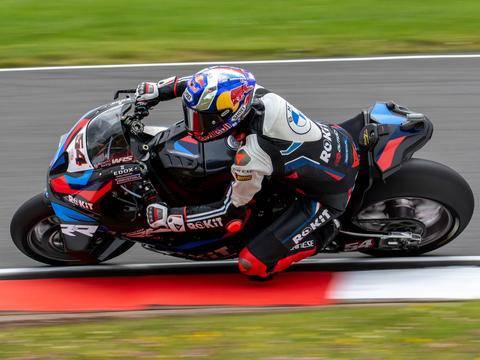
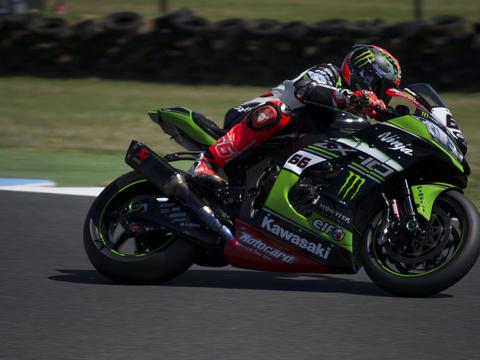
Once a model is homologated, teams are permitted to modify it within a defined technical envelope — engine internals, suspension, electronics and bodywork can all be developed considerably beyond the standard road specification, but the fundamental architecture inherited from the homologated production model must remain.
This is the core tension homologation rules are built to manage: giving teams enough freedom to build a genuinely competitive racing motorcycle, while keeping the machine recognizably derived from something a customer can actually buy and ride on the road.
Why This Makes WSBK Fundamentally Different From MotoGP
MotoGP machines are pure prototypes with no production requirement or road-going equivalent at all — nothing about homologation rules applies to them, since they exist purely as racing machines. WorldSBK's entire technical identity is built around the opposite principle.
This is why WorldSBK results carry direct marketing relevance for manufacturers in a way MotoGP results, for all their prestige, do not quite replicate — a WorldSBK win says something concrete about a bike a customer can walk into a dealership and buy.
How Compliance Is Actually Checked
The FIM inspects production numbers and specifications directly rather than relying solely on manufacturer paperwork, publishing updated lists of homologated motorcycles for each season to keep the process transparent to teams, competitors and fans alike.
This inspection process has become more actively managed in recent seasons as new manufacturers have entered the championship, with the FIM providing regular public updates on homologation status throughout a season rather than settling it once before the year begins.
Why Homologation Rules Matter to a Fan
Understanding homologation explains why WorldSBK grids sometimes look different from one season to the next as manufacturers introduce new production models specifically timed to meet homologation deadlines, and why a manufacturer's road bike release schedule can directly affect its competitiveness in the championship.
It also explains the category's core appeal for fans who value a direct link between what they watch on Sunday and what they could realistically buy and ride themselves, a connection MotoGP's prototype approach cannot offer.
Frequently asked questions
How many bikes does a manufacturer need to build to enter WorldSBK?
It depends on scale: smaller manufacturers must produce around 2,000 units to homologate a new model, while manufacturers producing more than 6,000 units annually need only around 125 units completed at first FIM inspection.
Is there a price limit on WorldSBK-eligible motorcycles?
Yes, an eligible model's list price cannot exceed a set maximum, currently 44,000 euros, keeping the class grounded in genuinely accessible production motorcycles.
What is homologation in motorcycle racing?
The formal process by which a road-going motorcycle becomes eligible to compete in World Superbike, requiring genuine production volume and legal road-use status before any racing modifications are permitted.
Can a manufacturer build a special one-off bike just to race in WorldSBK?
No. An eligible model must be a genuine series-production motorcycle legally marketed for ordinary road use, not a limited special edition built primarily to satisfy racing eligibility.
What is the difference between WorldSBK and MotoGP machinery rules?
MotoGP bikes are pure prototypes with no production requirement or road-going equivalent at all. WorldSBK's entire technical identity is built around the opposite principle — every bike starts as a real production model.
Can WorldSBK teams modify the production bike extensively?
Yes, within a defined technical envelope — engine internals, suspension, electronics and bodywork can be developed considerably beyond road specification, though the fundamental architecture from the homologated model must remain.
Who checks that a manufacturer meets homologation requirements?
The FIM inspects production numbers and specifications directly, publishing updated lists of homologated motorcycles each season to keep the process transparent.

Jack has been a motorcycle racing enthusiast for as long as he can remember. For CNMOTOS, he covers everything from MotoGP and World Superbike to drag racing and the sport's more niche corners, like sidecar and three-wheel racing.
View all articles by Jack Korpela →