What Each Discipline Is Actually Optimizing For
Formula 1 is built around extracting the absolute maximum single-lap and race-distance pace from a car over a fixed, relatively short distance, typically around ninety minutes to two hours. Endurance racing is built around sustaining strong, reliable pace across a vastly longer distance — six, twelve or twenty-four hours — where reliability and consistency matter as much as outright speed.
This fundamental difference in what is being optimized explains almost every other distinction between the two disciplines, from car design philosophy to how a race is actually won or lost.
One Driver vs a Rotating Crew
An F1 car is driven by a single driver for the entire race distance. An endurance racing car is shared between two or three drivers across a long race, with planned stints and mandatory rest periods, since no single driver could safely or effectively drive at competitive pace for twenty-four continuous hours.
This changes team strategy considerably — endurance teams manage driver rotation, fatigue and stint length as a core part of race strategy, an element that simply does not exist in Formula 1's single-driver format. See our endurance racing glossary for exactly how stint length is planned around fuel and tire life.
Try it: who's driving right now?
Drag through a full 24-hour race clock below and watch which of three rotating drivers is actually in the endurance car — then compare it against an F1 car's single continuous stint, drawn on the exact same scale.
Who's Actually Driving Right Now?
Drag through the race clock and see which driver is in the car — on the same 24-hour scale, an F1 race is barely a sliver.
Reliability as a Competitive Skill
In Formula 1, a mechanical failure ends a car's race outright, and reliability is expected as a baseline rather than a specific competitive skill teams are actively judged on race to race. In endurance racing, building a car and running a strategy that survives a full twenty-four hours without a race-ending failure is itself one of the central competitive skills.
Many Le Mans winners have been decided as much by which competitive cars simply survived the full distance as by which was outright fastest at any single point in the race.
Multi-Class Traffic vs a Single Field
Formula 1 races a single class of broadly similar cars against each other directly. Endurance racing typically runs multiple classes simultaneously on the same track — faster Hypercar prototypes and slower LMGT3 cars sharing the circuit — meaning drivers are constantly navigating traffic from a different class as well as racing their own class rivals directly.
This multi-class element adds a genuinely distinct skill to endurance racing that Formula 1 drivers never have to develop: reading and safely passing much slower traffic repeatedly throughout a race, in the dark as often as in daylight.
Racing Through the Night
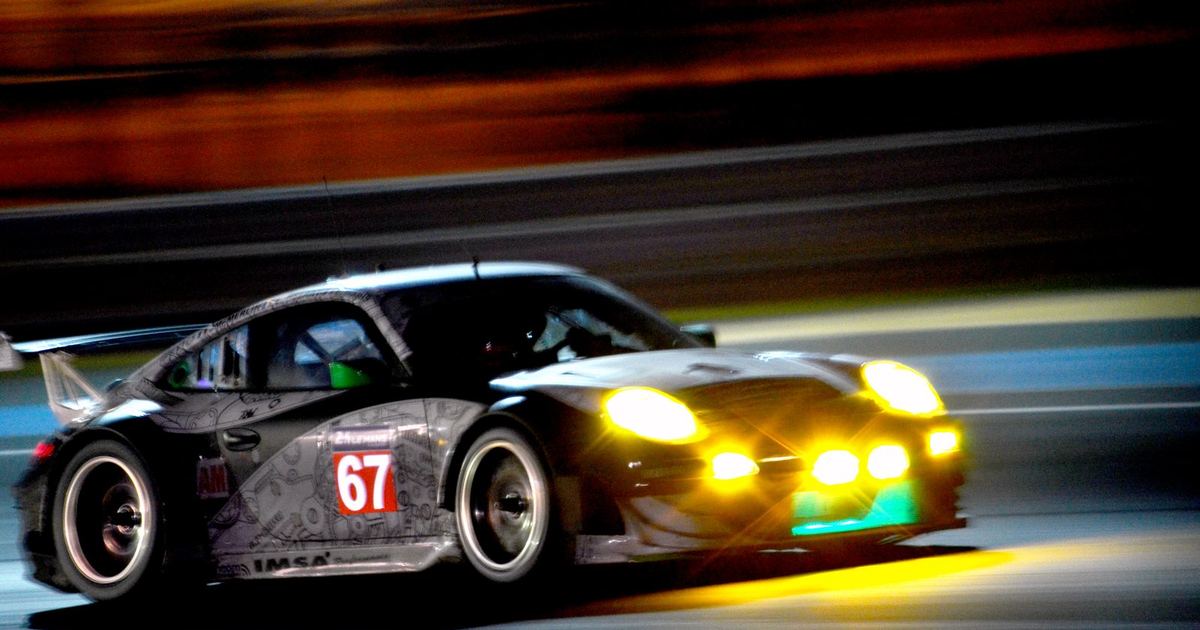
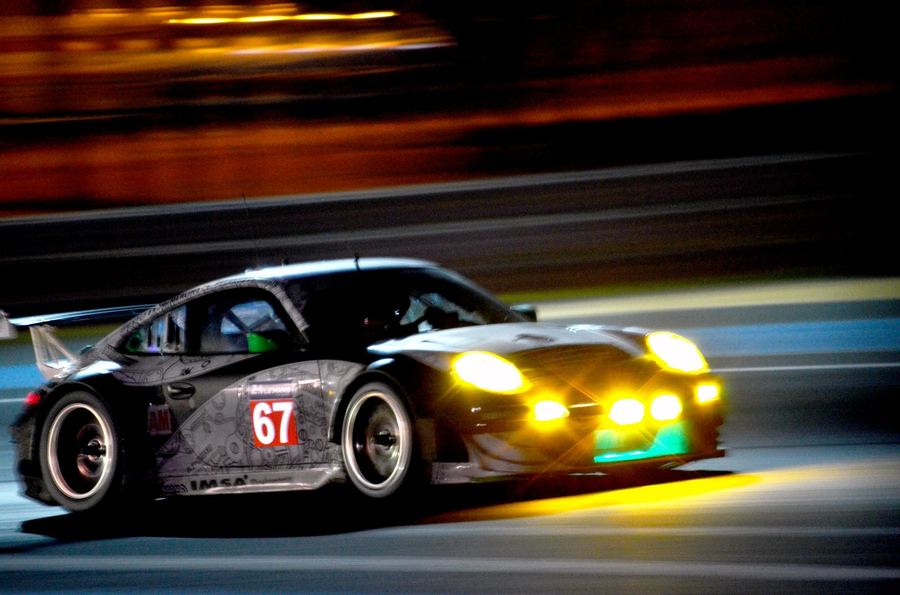
A meaningful portion of a major endurance race happens in darkness, adding lighting, visibility and fatigue management considerations that simply do not apply to Formula 1's daytime or occasional twilight race format.
Night stints are widely considered among the most demanding parts of an endurance race for drivers, combining reduced visibility with the fatigue that naturally accumulates deep into a race that has already been running for many hours.
Which Is More Rewarding to Follow?
Formula 1 offers concentrated, high-intensity drama across a relatively short, easily consumed race distance. Endurance racing offers a slower-building, genuinely different kind of tension across a much longer event, where the story of who ultimately wins often only becomes clear in the race's final hours.
Neither is a substitute for the other. A fan drawn to concentrated, immediate spectacle will likely prefer F1; a fan drawn to sustained strategic depth and the genuine drama of a full day-and-night event will likely find endurance racing more rewarding. See our beginner's guide to watching a 24-hour race for a realistic way to actually follow one.
Frequently asked questions
Why do endurance races last so much longer than F1 races?
Endurance racing is built around sustaining reliable pace over many hours, testing durability and consistency, while F1 optimizes for extracting maximum pace over a fixed, much shorter distance of roughly ninety minutes to two hours.
How many drivers share an endurance racing car?
Typically two or three, rotating in planned stints with mandatory rest periods, since no single driver could safely drive at competitive pace for a full twenty-four hours the way an F1 driver completes their entire race alone.
Is reliability more important in endurance racing than F1?
It is a more actively competitive skill. In F1 reliability is an expected baseline, while in endurance racing surviving a full race distance without a failure is itself one of the central things teams are judged on.
Does endurance racing have multiple classes on track at once?
Yes, typically. Faster prototypes and slower GT cars share the same circuit simultaneously, meaning drivers must navigate traffic from a different class as well as racing their own class rivals directly.
Do endurance races run through the night?
Yes, a meaningful portion of a major endurance race happens in darkness, adding lighting, visibility and fatigue considerations that do not apply to Formula 1's daytime race format.
Which is harder, F1 or endurance racing?
They are demanding in different ways — F1 rewards sustained maximum intensity from one driver over a shorter distance, while endurance racing rewards durability, consistency and driver rotation management across a much longer event.
Can an F1 driver switch to endurance racing?
Some have, though the skills required — particularly multi-class traffic management, night driving and stint-based teamwork with co-drivers — are different enough that it is a genuine adjustment rather than a direct transfer of skill.
How long is a typical endurance racing driver's stint?
It varies by regulation and strategy, but stints are commonly in the range of a couple of hours, planned around fuel range, tire life and mandatory maximum driving time limits.
How many times does an F1 car's driver change during a race?
Zero — the same single driver completes the entire race distance, unlike an endurance car where driver changes happen during scheduled pit stops throughout the event.
Is an F1 race really that short compared to a 24-hour race?
Yes — an F1 race is roughly 6-8% of a 24-hour endurance race's duration, meaning multiple full F1 races could be run back-to-back within the time a single Le Mans takes to complete.
Do endurance racing co-drivers need to be equally fast?
Not necessarily — many GT class entries deliberately mix professional and skilled amateur drivers under a rating system, so a car's overall lineup can include drivers of different pace as long as the balance meets class rules.
What happens to an endurance car while a driver is resting?
Another driver takes over during a scheduled pit stop, so the car itself keeps racing continuously — only the driver at the wheel changes, not the car's participation in the event.

Priya covers endurance racing, NASCAR and drifting for CNMOTOS, drawn to disciplines that reward either sustained consistency over 24 hours or outright commitment in a single tandem battle.
View all articles by Priya Shah →