You Don't Need to Watch the Whole Thing
The single most important thing for a new viewer to understand is that nobody, including dedicated fans, typically watches every minute of a 24-hour race live. Most people follow key sessions — the start, notable incidents, driver changes, and the final few hours — while checking in periodically rather than watching continuously.
This makes a 24-hour race considerably more approachable than its length suggests; think of it less like a single continuous broadcast to sit through and more like a long-running event you dip in and out of.
Watch the Start and the First Few Hours
The opening hours set up much of the race's eventual outcome — early incidents, class leaders establishing themselves, and initial strategy calls all happen here, and watching this stretch gives useful context for understanding the race's later stages even if you check out for a portion of the middle.
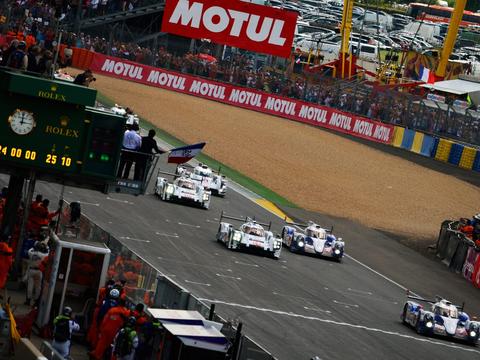
Grid walks and pre-race coverage for major events like Le Mans also tend to explain team strategies and driver lineups clearly, which is useful groundwork before the race itself begins.
Learn to Read Multi-Class Racing
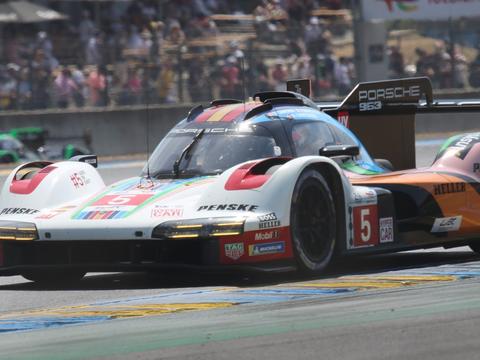
Because faster prototypes and slower GT cars share the track simultaneously, position on the timing screen does not simply mean overall race position — check which class a car is competing in, since the leading Hypercar and the leading LMGT3 car are racing entirely separate contests despite sharing the same circuit.
Broadcasts typically display class position alongside overall position once you know to look for it, and getting comfortable reading both simultaneously makes following the race considerably easier.
The Overnight Hours Are Genuinely Worth Checking
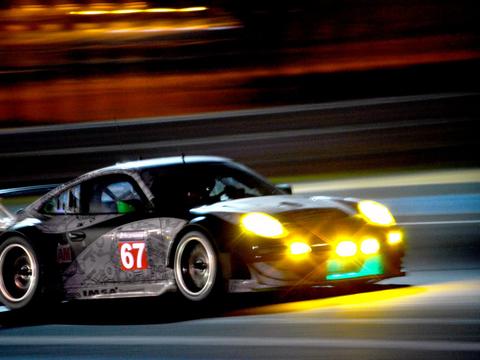
Night racing often produces some of a 24-hour race's most dramatic moments — reduced visibility and driver fatigue both increase incident likelihood, and strategic gambles are sometimes made specifically during this period when television audiences are smallest.
Even a brief check-in during the overnight hours, rather than skipping straight from evening to morning coverage, can reveal genuinely important developments that shaped how the race's final stages play out.
The Final Few Hours Decide Everything
As with most endurance formats, a 24-hour race's outcome is rarely settled until close to the finish — fuel strategy, final pit stops, and late mechanical issues for cars that have run reliably for twenty-plus hours can all still change the result in the closing stretch.
This is the single most important viewing window if your time is genuinely limited: watching only the final two or three hours still gives a real sense of how the race was actually decided, even having missed everything before it.
Where to Watch
Major endurance races, particularly the 24 Hours of Le Mans, typically have broadcast and streaming coverage available, including free options in some regions, alongside the official championship's own digital platforms which often provide continuous coverage throughout the full event.
Checking coverage options specific to the exact event and your region ahead of time is worthwhile, since arrangements can differ considerably between Le Mans specifically and other rounds of the wider championship calendar.
Frequently asked questions
Do I need to watch all 24 hours of an endurance race?
No, and almost nobody does, including dedicated fans. Most people watch key sessions — the start, notable incidents, and the final few hours — while checking in periodically rather than watching continuously.
What is the best part of a 24-hour race to watch if I have limited time?
The final two or three hours, since fuel strategy, final pit stops and late mechanical issues can still change the result right up to the finish, giving a real sense of how the race was decided even having missed everything before.
Why does a car's position on the timing screen not always mean its overall race position?
Because multiple classes share the same track simultaneously, position must be checked alongside class, since the leading Hypercar and the leading LMGT3 car are competing in entirely separate contests despite racing together.
Is the overnight portion of an endurance race worth watching?
Yes, it often produces some of the race's most dramatic moments, since reduced visibility and driver fatigue both increase incident likelihood during those hours.
Where can I watch a 24-hour endurance race?
Major races like the 24 Hours of Le Mans typically have broadcast and streaming coverage, including free options in some regions, alongside the championship's own digital platforms providing continuous event coverage.
What should a new viewer watch in the opening hours of a 24-hour race?
The start and early incidents, since class leaders establishing themselves and initial strategy calls in this stretch provide useful context for understanding the race's later stages.
Is following endurance racing harder than following a normal race?
It requires a different approach rather than being harder — dipping in and out of key sessions rather than continuous viewing, and learning to read multi-class position, makes it genuinely approachable once you know what to look for.

Priya covers endurance racing, NASCAR and drifting for CNMOTOS, drawn to disciplines that reward either sustained consistency over 24 hours or outright commitment in a single tandem battle.
View all articles by Priya Shah →