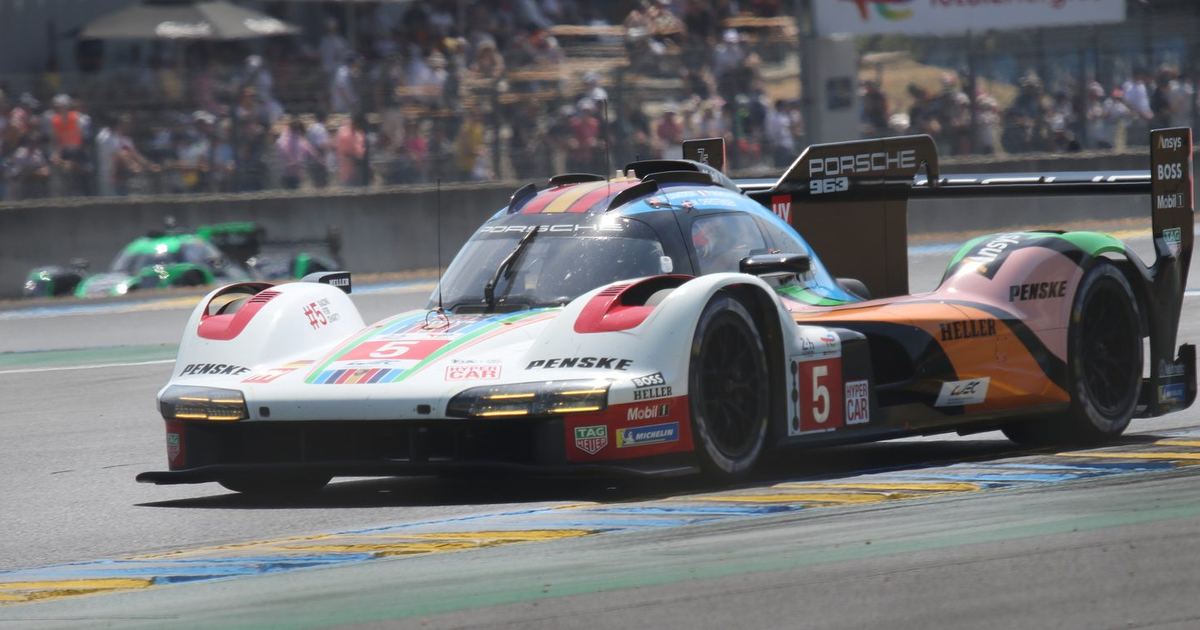
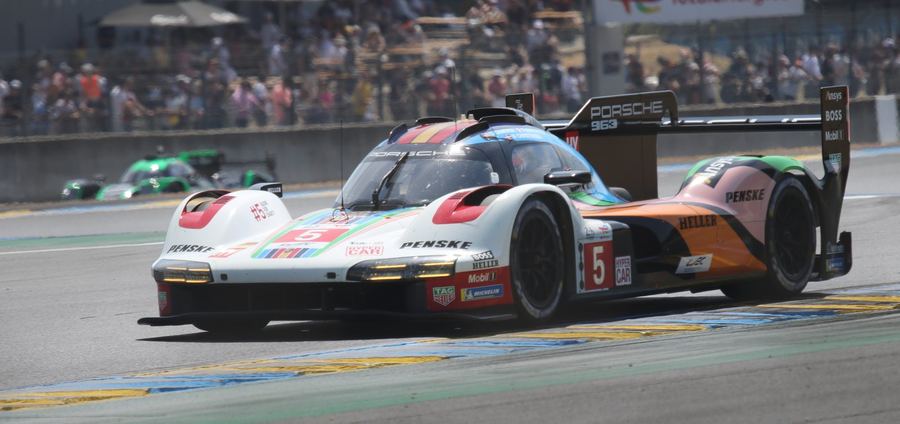
What Balance of Performance Actually Does
Balance of Performance, universally shortened to BoP, is a set of technical adjustments — primarily to weight and power, though aerodynamics and fuel allowance can factor in too — applied to competing cars to keep genuinely different designs competitive with each other, rather than letting the single fastest raw design simply dominate.
It exists because endurance racing's top classes deliberately allow manufacturers to pursue very different engineering solutions to the same problem, which without adjustment would produce lopsided results based on which approach happened to be quickest that season rather than close, genuine racing.
Why Hypercar Specifically Needs It
The WEC's top class, Hypercar, permits two distinct technical approaches to compete against each other directly: Le Mans Hypercar cars use a bespoke chassis and a manufacturer's own bespoke engine, while Le Mans Daytona h cars use a spec chassis and a shared, standardized hybrid system paired with the manufacturer's own combustion engine.
These are genuinely different engineering philosophies producing cars with different strengths, and BoP is the mechanism that allows both approaches to race together on equal terms rather than one path being structurally advantaged over the other.
How BoP Figures Are Actually Set
BoP figures are calculated from each car's demonstrated and homologated performance data, then published to competing teams ahead of each event as adjustments to minimum weight, maximum power and other regulated parameters, intended to bring each entry's theoretical lap time within a tight target band of its rivals.
As of the 2026 season, the FIA stopped publishing these per-round tables publicly, sharing the figures only with competing teams rather than releasing them openly — the stated reasoning is that BoP numbers, viewed without the full underlying homologation data, were leading outside observers to draw incorrect conclusions about which manufacturer was being favored.
The New Success Handicap for 2026
For 2026, WEC extended a performance-balancing mechanism previously used mainly in the GT class up into Hypercar itself: a success handicap, which calculates a lap-time penalty based on recent results and applies it as extra weight or reduced power, published as part of the BoP figures ahead of each race.
Notably, this success handicap does not apply at the 24 Hours of Le Mans, the championship's single most prestigious race, which continues to run under standard BoP alone rather than an additional results-based penalty.
BoP in the GT Class
LMGT3, the class introduced in 2024 to replace the previous LMGTE category, is built on the Group GT3 platform and relies heavily on BoP to keep a wide range of manufacturer GT3 cars — built to a shared but flexible technical ruleset — genuinely competitive with each other.
GT3-based BoP systems have existed and been refined across multiple racing series for years before LMGT3 adopted the approach, giving the WEC a well-tested model to build from when the class was introduced.
Why BoP Matters to How You Watch a Race
Understanding BoP explains why a car that looked completely dominant at one round can look considerably less competitive at the next — the underlying figures have been adjusted specifically to prevent sustained dominance from any single manufacturer or technical approach.
It also explains why endurance racing fans discuss manufacturer performance in terms of who is being helped or hindered by BoP rather than purely who built the fastest car, since raw pace and BoP-adjusted competitive pace are genuinely different things in this sport.
Frequently asked questions
What is Balance of Performance in endurance racing?
A set of technical adjustments, primarily to weight and power, applied to competing cars to keep genuinely different designs competitive with each other rather than letting one approach simply dominate.
How many classes does the WEC currently have?
Two, as of 2026: Hypercar, the top class, and LMGT3, the GT class introduced in 2024 to replace the previous LMGTE category. LMP2 left the WEC after the 2024 season.
What are the two types of Hypercar in the WEC?
Le Mans Hypercar, using a bespoke chassis and the manufacturer's own bespoke engine, and Le Mans Daytona h, using a spec chassis and a shared hybrid system paired with the manufacturer's own engine. BoP allows both to compete together.
What is the new success handicap in WEC for 2026?
A performance-balancing mechanism extended from the GT class up into Hypercar, calculating a lap-time penalty based on recent results and applying it as extra weight or reduced power, except at the 24 Hours of Le Mans.
Are BoP figures public in the WEC?
Not since 2026. The FIA stopped publishing per-round BoP tables publicly, sharing the figures only with competing teams, citing outside misinterpretation of the numbers without full homologation context.
Does Le Mans use the same BoP rules as other WEC races?
Mostly, though the new 2026 success handicap specifically does not apply at the 24 Hours of Le Mans, which continues to run under standard BoP alone.
What is LMGT3?
The WEC's GT class, introduced in 2024 to replace LMGTE, built on the Group GT3 platform and relying heavily on Balance of Performance to keep a wide range of manufacturer GT3 cars competitive.

Priya covers endurance racing, NASCAR and drifting for CNMOTOS, drawn to disciplines that reward either sustained consistency over 24 hours or outright commitment in a single tandem battle.
View all articles by Priya Shah →
.jpg)