Why comparing across the two-stroke and four-stroke eras is hard
Grand Prix motorcycle racing has existed in genuinely different technical forms across its history — the 500cc two-stroke era that ran until 2001, and the four-stroke MotoGP era that followed from 2002 onward — making any "greatest ever" debate stretch across machinery, safety standards and competitive depth that changed enormously between generations. See our complete guide to MotoGP for how the championship and points system actually work before diving into this comparison.
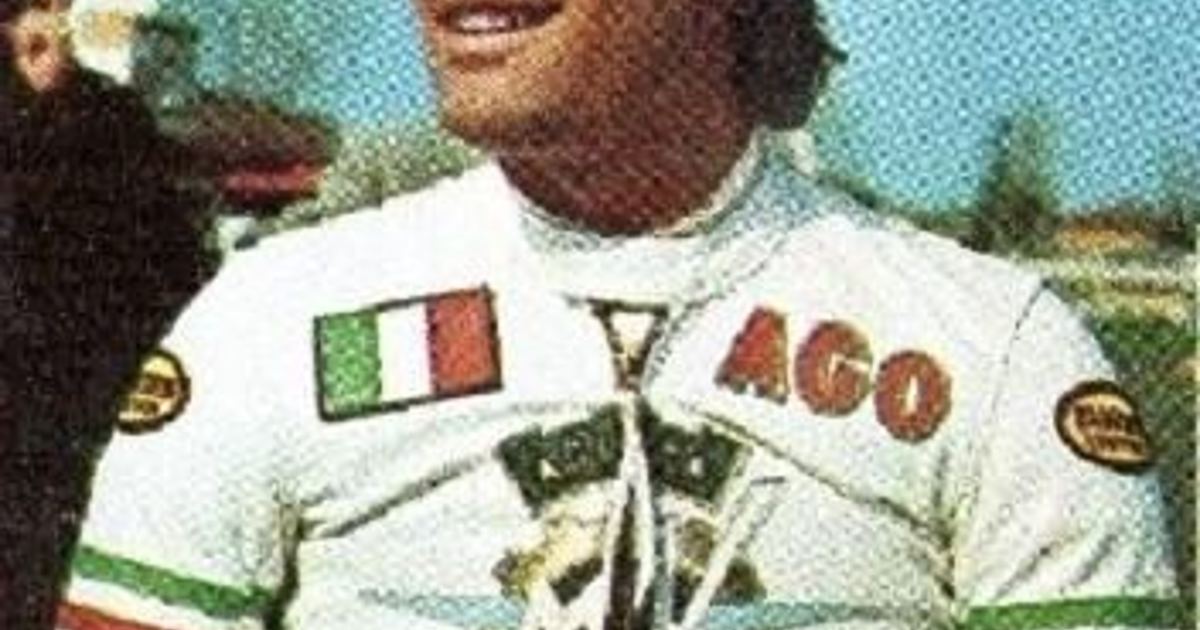
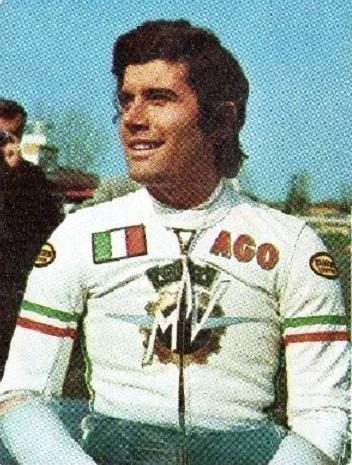
Giacomo Agostini: fifteen world titles
Giacomo Agostini holds the outright record for most Grand Prix World Championships with fifteen combined across the 350cc and 500cc classes, won predominantly with MV Agusta through the late 1960s and early 1970s. That fifteen-title haul remains the single most decorated career in the sport's history by championship count, a record that has stood for decades and looks unlikely to be seriously challenged under the modern championship's single-class MotoGP structure.
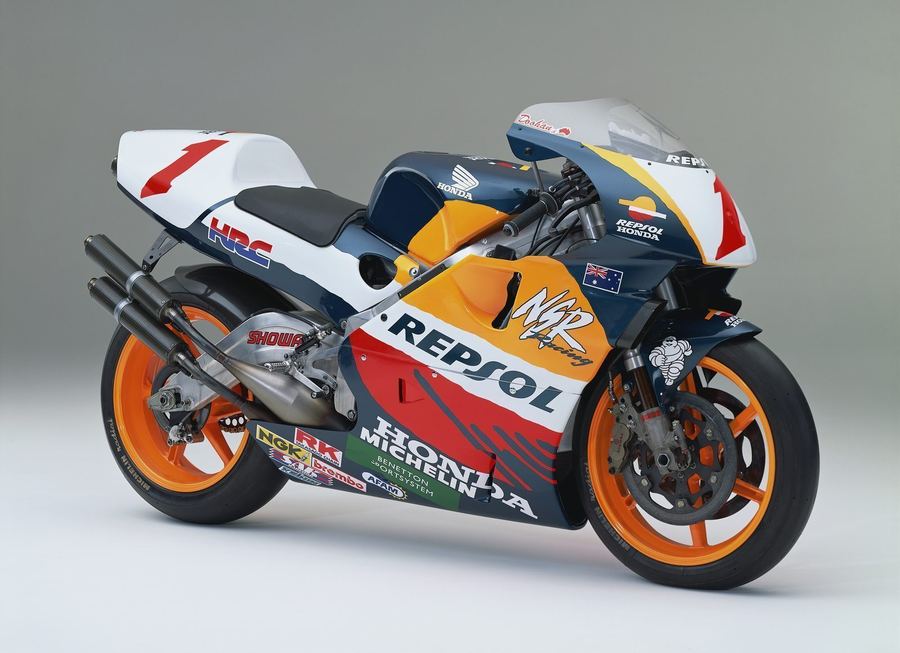
Mick Doohan: five straight titles in the 500cc era
Mick Doohan won five consecutive 500cc World Championships between 1994 and 1998 aboard the Honda NSR500, a two-stroke prototype widely regarded as one of the defining bikes of the pre-MotoGP era, after recovering from a near career-ending leg injury earlier in his career. His dominant mid-1990s run is still cited by contemporaries as one of the most complete displays of raw speed and race management the 500cc two-stroke era ever produced.
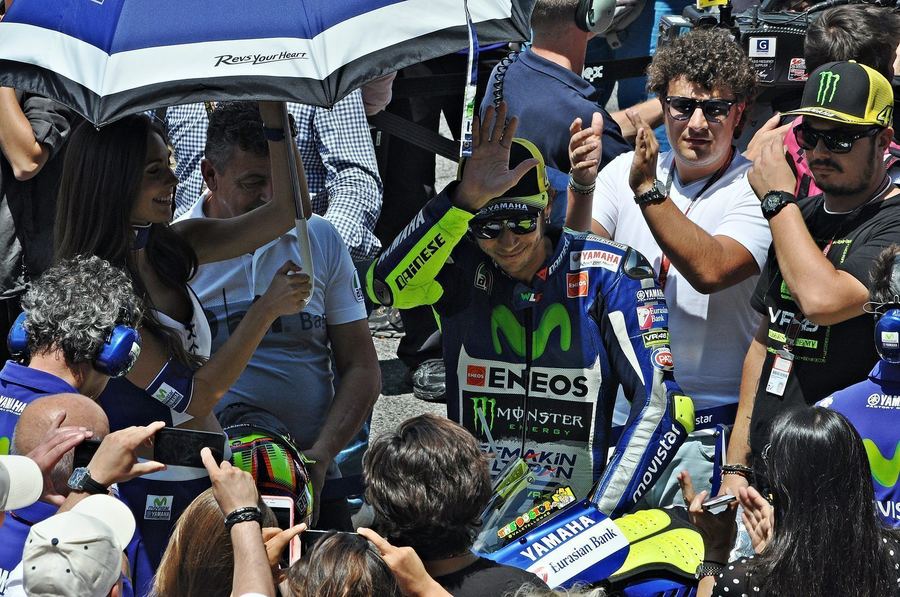
Valentino Rossi: the sport's biggest global star
Valentino Rossi won nine Grand Prix World Championships across four different classes (125cc, 250cc, 500cc and MotoGP) and became, by a wide margin, the sport's biggest global crossover star, drawing genuinely mainstream attention to MotoGP well beyond its traditional fan base. His career spanned both the final 500cc two-stroke seasons and two decades of the modern four-stroke MotoGP era, giving him a uniquely long vantage point across the sport's biggest technical transition.
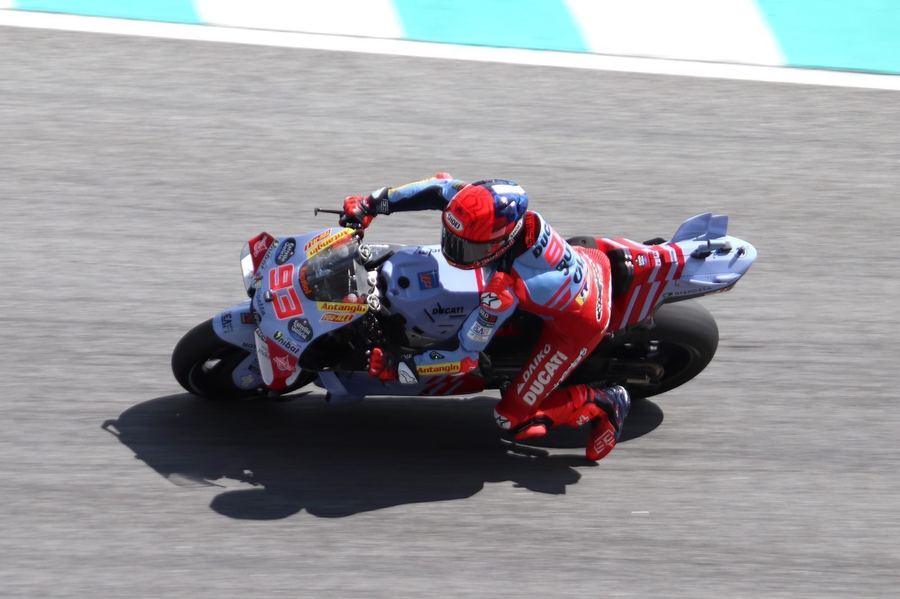
Marc Marquez: aggression redefining what's possible
Marc Marquez won six MotoGP premier-class titles across an aggressive, front-tire-limit-pushing riding style that many rivals and pundits credit with genuinely redefining how hard a MotoGP bike could be ridden into a corner. His rivalry with Rossi during the mid-2010s became one of the sport's most heated storylines, discussed further in our feature on MotoGP's most iconic rivalries.
Other riders who belong in the conversation
Beyond the sport's most decorated champions, riders like Angel Nieto, with multiple 125cc and 50cc titles, Jorge Lorenzo's technically precise MotoGP championship-winning seasons, and Casey Stoner's ability to extract results from machinery many considered genuinely difficult to ride, all feature prominently in most serious historical rankings. Each represents a different flavor of greatness — from smaller-class dominance to a uniquely smooth riding style under pressure.
How to actually weigh the comparison
Most serious rankings weigh championship count against competitive depth, era-specific machinery challenges, and how a rider performed against their own teammates in identical equipment, rather than simply totaling career wins across eras with wildly different calendar lengths and levels of factory support. By that lens, Agostini's raw title count, Doohan's peak dominance, Rossi's longevity and crossover fame, and Marquez's redefinition of riding limits each represent a genuinely different, defensible case for "greatest ever."
Why smaller-class dominance still counts
Riders who built their reputations primarily in the 125cc, 250cc or Moto2 classes rather than the premier class are sometimes underweighted in casual "greatest ever" conversations, even though those smaller classes demand their own distinct, extremely high level of technical precision and tactical racecraft. Angel Nieto's combined 125cc and 50cc title haul, for instance, remains one of the most statistically dominant records in the sport at any level, deserving genuine consideration alongside premier-class legends rather than being treated as a lesser achievement.
How injuries have shaped the greatest-ever conversation
Several riders who might otherwise feature even more prominently in this debate had careers meaningfully shortened or altered by serious injury, making longevity and sustained health, not just peak speed, a genuine factor in how a rider's overall body of work gets judged. Doohan's own comeback from a near career-ending leg injury to then dominate for five straight seasons is part of what makes his specific case so compelling within the wider historical conversation.
Frequently asked questions
Who has won the most Grand Prix motorcycle racing world championships?
Giacomo Agostini, with fifteen combined across the 350cc and 500cc classes, mostly won with MV Agusta in the late 1960s and early 1970s.
How many MotoGP titles has Marc Marquez won?
Six premier-class titles, won with an aggressive, front-tire-limit-pushing riding style credited with redefining how hard a MotoGP bike could be ridden.
How many world titles did Valentino Rossi win?
Nine, across four different classes — 125cc, 250cc, 500cc and MotoGP — spanning two decades and both the two-stroke and four-stroke eras.
What made Mick Doohan's mid-1990s run so dominant?
Five consecutive 500cc titles between 1994 and 1998 aboard the Honda NSR500, achieved after recovering from a near career-ending leg injury earlier in his career.
Is it fair to compare riders across the 500cc and MotoGP eras directly?
Not directly — machinery, safety standards and competitive depth changed enormously between the two-stroke era that ended in 2001 and the four-stroke MotoGP era that followed.
Why is Casey Stoner often mentioned among the greats despite fewer titles?
He's widely credited with extracting championship-level results from machinery many other riders considered genuinely difficult to ride, a mark of exceptional adaptability.
Should smaller-class champions like Angel Nieto be considered among the greatest?
Many historians argue yes — his combined 125cc and 50cc title haul is one of the most statistically dominant records in the sport, deserving consideration alongside premier-class legends.
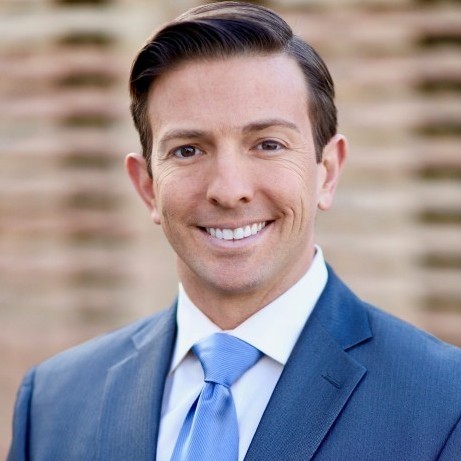
Jack has been a motorcycle racing enthusiast for as long as he can remember. For CNMOTOS, he covers everything from MotoGP and World Superbike to drag racing and the sport's more niche corners, like sidecar and three-wheel racing.
View all articles by Jack Korpela →