
Why comparing across NASCAR's eras is genuinely hard
NASCAR has changed enormously across its history — car technology, safety standards, the championship points system and even the schedule length have all shifted dramatically between the sport's founding era and today's Next Gen Cup Series. See our complete guide to NASCAR for how the modern championship and points system actually work before diving into this comparison.
Richard Petty: "The King" and seven championships
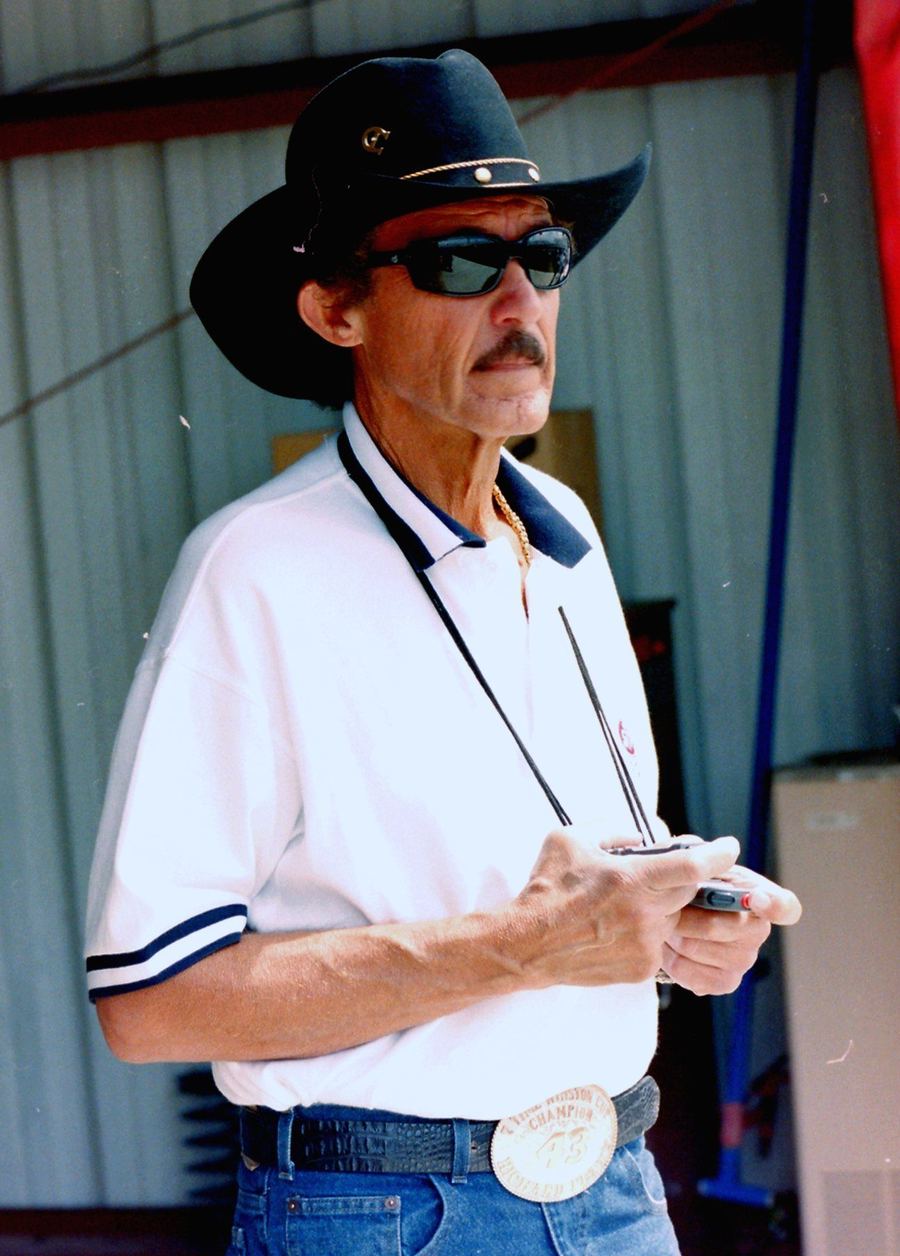
Richard Petty won seven NASCAR Cup Series championships and holds the outright record for career race wins, a combination of longevity and dominance during NASCAR's earlier decades that earned him the enduring nickname "The King." Petty's win total was built during an era with a considerably larger number of races per season than NASCAR runs today, a factor serious historical comparisons have to account for when weighing his record against later champions.
Dale Earnhardt: "The Intimidator"
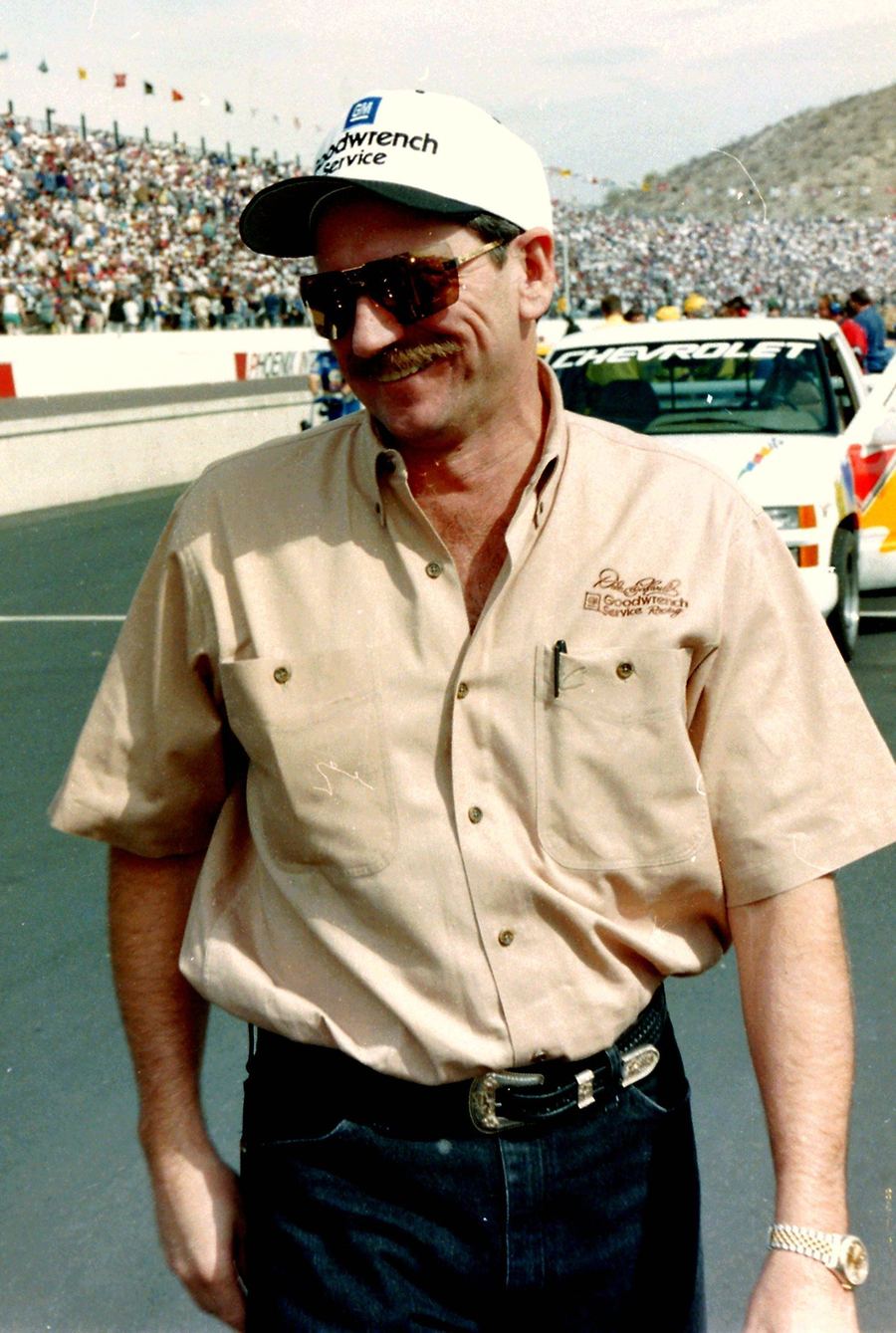
Dale Earnhardt matched Petty's seven championships with a famously aggressive driving style that earned him the nickname "The Intimidator," building one of the sport's most passionate fan followings during the 1980s and 1990s. Earnhardt's death in a crash on the final lap of the 2001 Daytona 500 remains one of the most significant moments in NASCAR history, directly driving a wave of safety reforms discussed further in our feature on NASCAR's safety evolution.
Jeff Gordon: reshaping who could win
Jeff Gordon won four championships and became one of the sport's most successful drivers of the 1990s and 2000s, notable for representing a genuinely new generation of NASCAR competitor — younger, more media-savvy, and coming from a road racing background rather than the sport's traditional Southern short-track roots. His rivalry with Earnhardt became one of the defining storylines of that era, a stylistic and generational clash discussed in our feature on NASCAR's most iconic rivalries.
Jimmie Johnson: a modern dynasty
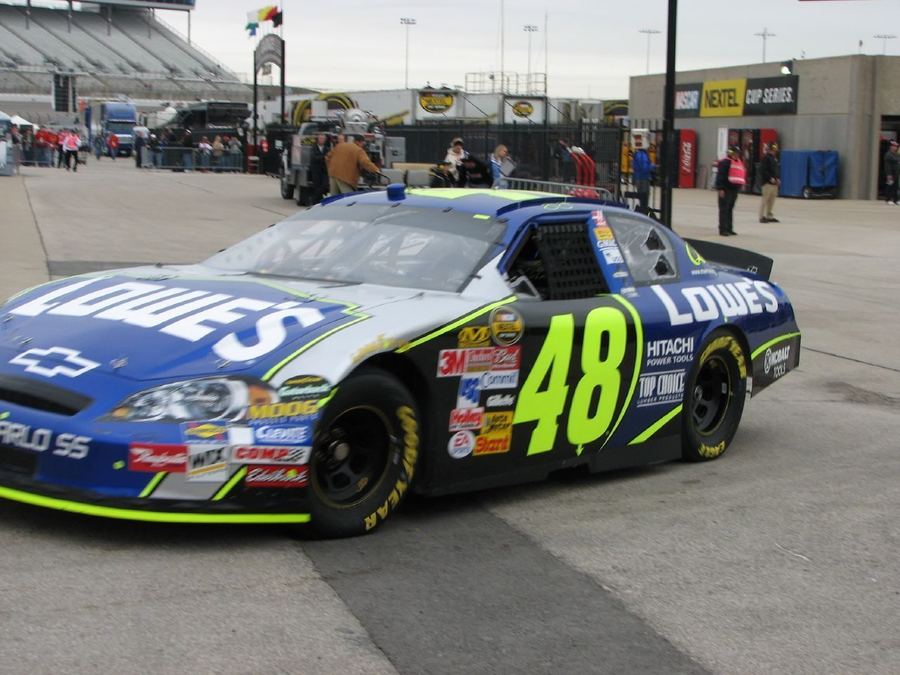
Jimmie Johnson won seven championships, tying Petty and Earnhardt's record, including an unprecedented run of five consecutive titles between 2006 and 2010 that remains unmatched in the sport's modern playoff era. That streak, achieved under NASCAR's more recent, more standardized car and points system, represents arguably the most statistically dominant sustained run in the sport's history by at least one meaningful measure.
Other legends who belong in the conversation
Beyond the sport's most decorated champions, drivers like David Pearson, Petty's most famous rival and closest statistical competitor in career wins, Cale Yarborough's three consecutive titles in the late 1970s, and Jimmy Johnson's contemporary rival Kevin Harvick's sustained multi-decade competitiveness all feature prominently in most serious historical rankings of the sport's greatest talents.
How to actually weigh the comparison
Most serious comparisons weigh championship count against competitive depth, how a driver performed across genuinely different NASCAR eras and points systems, and whether their success came against a wide, well-resourced field or a comparatively thinner one. By that lens, Petty's longevity and win-record, Earnhardt's fan-driven legend and aggressive dominance, Gordon's generational impact, and Johnson's modern playoff-era streak each represent a genuinely different, defensible case for "greatest ever."
Why the modern playoff era complicates comparisons further
NASCAR's championship format has changed substantially since Petty and Earnhardt's eras, shifting from a full-season points total toward a multi-round elimination playoff bracket that rewards different qualities — peaking at the right moment across a shorter championship-deciding stretch rather than pure season-long consistency. That structural change means a driver racing purely under the modern playoff system faces a genuinely different championship-winning challenge than one who simply needed to accumulate the most points across an entire season.
Why the driver's crew chief matters in this conversation too
Every driver's championship record was built alongside a crew chief managing strategy, car setup and pit decisions, a partnership every bit as consequential to a team's results as it is in rallying's driver-co-driver dynamic. Legendary crew chief partnerships, like Chad Knaus with Jimmie Johnson, are frequently cited by NASCAR insiders as being genuinely inseparable from a driver's championship success, a dimension often missing from casual greatest-ever rankings focused purely on the driver.
Frequently asked questions
Who has won the most NASCAR Cup Series championships?
Richard Petty, Dale Earnhardt and Jimmie Johnson are tied with seven titles each, though each built their record in genuinely different eras of the sport.
Who holds NASCAR's record for career race wins?
Richard Petty, whose win total was built during an era with considerably more races per season than NASCAR runs today.
Why is Dale Earnhardt called 'The Intimidator'?
His famously aggressive driving style built one of the sport's most passionate fan followings during the 1980s and 1990s, alongside his seven championships.
What made Jimmie Johnson's mid-2000s run so significant?
Five consecutive championships between 2006 and 2010, an unprecedented streak that remains unmatched in NASCAR's modern playoff era.
Why was Jeff Gordon considered a generational shift for NASCAR?
He represented a younger, more media-savvy driver from a road racing background rather than the sport's traditional Southern short-track roots, reshaping who could succeed at the top level.
Is it fair to compare NASCAR drivers across different eras directly?
Not directly — car technology, safety standards, the points system and schedule length have all changed dramatically, meaning raw win totals need context to compare fairly.
Does the modern playoff format make historical comparisons harder?
Yes, it rewards peaking at the right moment across a shorter championship-deciding stretch rather than pure season-long consistency, a genuinely different challenge than earlier full-season points eras.

Priya covers endurance racing, NASCAR and drifting for CNMOTOS, drawn to disciplines that reward either sustained consistency over 24 hours or outright commitment in a single tandem battle.
View all articles by Priya Shah →


.jpg)