Simple, Cheap Origins
Karting began in the United States in the 1950s, built around the simple idea of a small, lightweight chassis and a modest engine — often adapted from lawnmowers or other small machinery in the earliest examples — that ordinary enthusiasts could build and race affordably. The very first example is well documented: in August 1956, Art Ingels and Lou Borelli built a small tubular-chassis vehicle in Southern California powered by a West Bend engine pulled from a lawnmower.
That accessibility was the whole point from the start: karting never required the expensive infrastructure of full-size motorsport, which is exactly why it spread quickly among people who wanted a genuine taste of wheel-to-wheel racing without a large budget.
Spreading Internationally
Karting spread rapidly beyond the United States through the following decades, with dedicated circuits, national championships and manufacturers of purpose-built karting equipment developing across Europe and beyond, formalizing what had started as an informal, homebuilt hobby.
As the equipment became more specialized and purpose-built rather than adapted from other machinery, karting's technical sophistication grew considerably, even as it retained its fundamentally accessible entry point compared with car racing.
The full timeline, year by year
Put the whole story together and it runs from a 1956 backyard special to a 2026 sport that quietly trains almost every top-level racing driver in the world, in six clear steps.
Karting's History, Year by Year
From a 1956 lawnmower-engine special to today's near-universal driver pipeline, in six verified steps. Press play, or click any point.
Becoming Motorsport's Training Ground
As karting matured into a genuinely competitive discipline with real technical depth, it became increasingly recognized as the ideal starting point for young drivers aiming at professional car racing careers, offering intense wheel-to-wheel competition and precise car control lessons at low cost and low risk relative to cars.
This reputation solidified over decades until it became close to universal: the overwhelming majority of current top-level car racing drivers, across categories from Formula 1 to sports car racing, began their careers in competitive karting as children — see our guide to karting's classes for the actual ladder they climb.
Formalizing Classes and World Championships
As karting's role as a serious training ground grew clearer, its class structure and governing bodies formalized considerably. The FIA created the Commission Internationale de Karting in 1962 to bring international structure to what had been a loosely organized national patchwork, and in 2016 retired the long-running KF and KF-Junior engine system in favor of the simplified OK and OK-Junior format still used today, alongside the KZ and KZ2 gearbox classes.
This formalization gave karting the credibility and consistency needed to be taken seriously as both a standalone competitive sport and a reliable talent pipeline, rather than an informal precursor treated casually by the wider motorsport establishment.
Karting Today
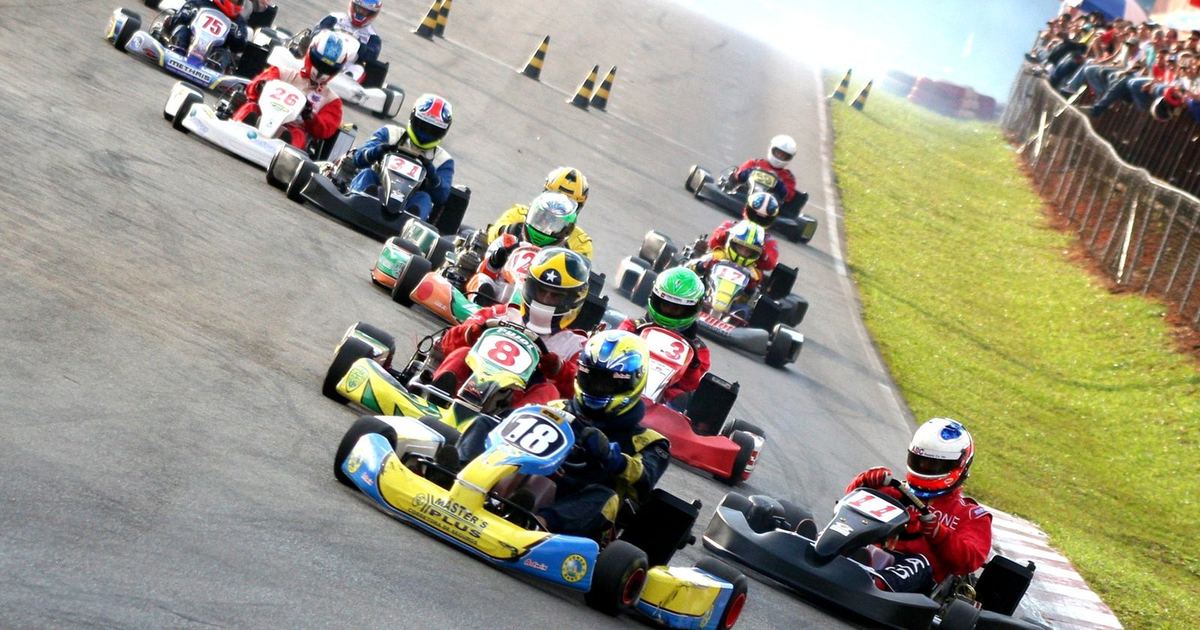
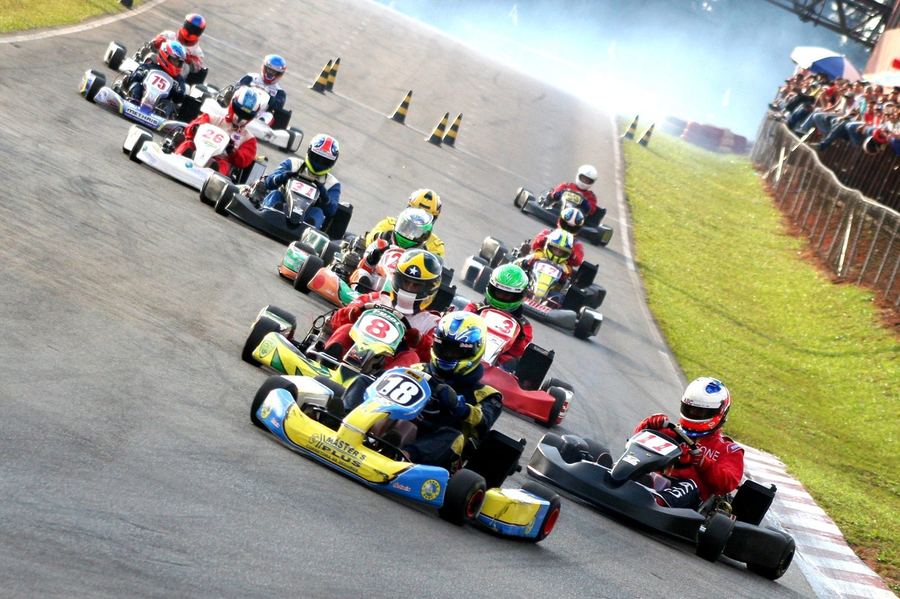
Modern competitive karting spans everything from entry-level cadet classes for young children through to extremely fast gearbox categories, supported by dedicated manufacturers, professional teams and a genuine career pathway that did not exist in the sport's early decades.
Despite this growth in sophistication, karting has largely preserved its core appeal from the very beginning: a genuinely accessible way to experience close, competitive wheel-to-wheel racing without the cost of a full-size racing car.
Why This History Still Matters
Karting's origin as a cheap, accessible hobby explains why it remains, even today, one of the most affordable genuine entry points into competitive motorsport, despite its parallel identity as professional racing's most important training ground.
That dual identity — a serious world championship discipline in its own right, and simultaneously the near-universal starting point for future professional drivers — is a direct product of how the sport actually developed, rather than a coincidence.
Frequently asked questions
Where did karting originate?
In the United States in the 1950s, built around a simple, lightweight chassis and modest engine that enthusiasts could build and race affordably, sometimes adapting engines from other small machinery in the earliest examples.
Who invented the first go-kart?
Art Ingels, with Lou Borelli, built the first kart in August 1956 in Southern California — a tubular-chassis vehicle powered by a West Bend engine taken from a lawnmower.
Why is karting considered motorsport's training ground?
It offers intense wheel-to-wheel competition and precise car control lessons at low cost and low risk relative to cars, which is why the overwhelming majority of current professional racing drivers began their careers in competitive karting.
When did karting become internationally organized?
The FIA created the Commission Internationale de Karting (CIK) in 1962, running a Nations Cup in its first year and bringing formal international structure to a previously loose national patchwork of clubs and series.
Is karting still accessible and affordable today?
Yes, at entry level it remains one of the most affordable genuine entry points into competitive motorsport, even though top-level international karting has grown considerably more technically sophisticated and expensive.
Do most professional drivers start in karting?
Yes, an overwhelming majority of current top-level drivers across car racing categories, including Formula 1, began their careers in competitive karting as children.
What made early karting different from car racing?
Its fundamental accessibility — a simple, lightweight chassis and modest engine that ordinary enthusiasts could build and race, without the expensive infrastructure full-size motorsport required.
Does the FIA organize karting world championships?
Yes, across the sport's main classes, bringing formal international structure to a discipline that began as a loosely organized national and regional hobby.
What was the KF system in karting?
The engine and class system that governed senior and junior direct-drive karting for nine seasons before being retired in 2016 in favor of the simplified OK and OK-Junior (Original Kart) regulations still used today.
How long after karting was invented did it become an FIA-recognized sport?
Just six years — from Art Ingels' 1956 backyard build to the FIA's 1962 creation of the Commission Internationale de Karting, an unusually fast formalization for a motorsport discipline.
What engine powered the very first go-kart?
A West Bend engine taken from a lawnmower, fitted to a small tubular chassis Art Ingels and Lou Borelli built in August 1956.
Why did karting spread so much faster than car racing?
It never required the expensive infrastructure of full-size motorsport — a chassis, a small engine and a safe surface were enough, which made it accessible to far more enthusiasts far earlier.
Sources

Maya grew up watching rally stages and motocross before following both sports closely as an adult, and covers the off-road side of motorsport for CNMOTOS — from World Rally Championship gravel stages to Supercross stadiums and grassroots karting.
View all articles by Maya Torres →