Why Karting Is Organized by Class
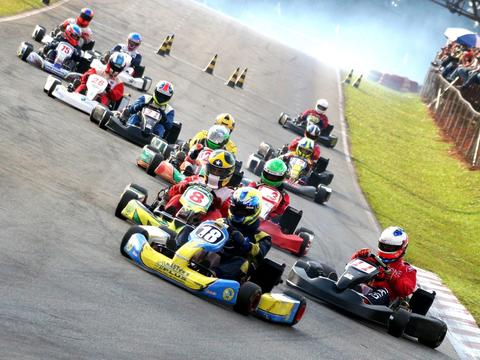
Karting classes exist primarily to group drivers by age and equipment so that competition stays fair and safe across a huge range of experience levels, from young children just starting out to adult professionals racing gearbox karts capable of serious speed.
Understanding the class structure is the single most useful thing for a newcomer to grasp, since it explains almost everything else about how karting competitions are organized.
Junior Classes: OK-Junior and Its Variants
OK-Junior is for drivers roughly between 12 and 14 years old, using 125cc water-cooled two-stroke direct-drive engines producing around 26 to 27 horsepower — a genuinely serious step up from entry-level cadet karting, while still built around age-appropriate machinery.
A simplified, more cost-controlled variant, often called an arrive-and-drive junior class, exists specifically to reduce the cost of competing at this level, recognizing that not every family can afford the full technical freedom of the standard junior class.
OK: The Senior Direct-Drive Class
OK is the primary senior direct-drive class in top-level karting, open to drivers aged 14 and over, and represents the class most drivers move into after junior categories before potentially progressing to gearbox karting.
As with the junior categories, a simplified, cost-reduced senior variant also exists, again aimed at making competitive karting more financially accessible without requiring every driver to compete in the highest-specification equipment immediately.
KZ and KZ2: The Gearbox Classes
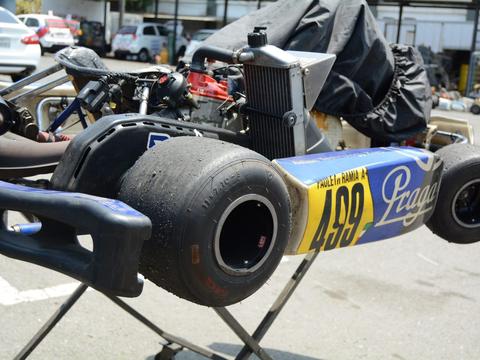
KZ and KZ2 are karting's gearbox classes, using 125cc engines paired with a six-speed sequential gearbox operated by a hand-shifted lever, making them meaningfully faster and more mechanically complex than the direct-drive classes below them.
KZ is generally the higher-performance of the two, with KZ2 serving as a slightly less extreme but still serious gearbox category — both represent the upper end of what karting offers before a driver moves into cars entirely.
World Championships Across These Classes
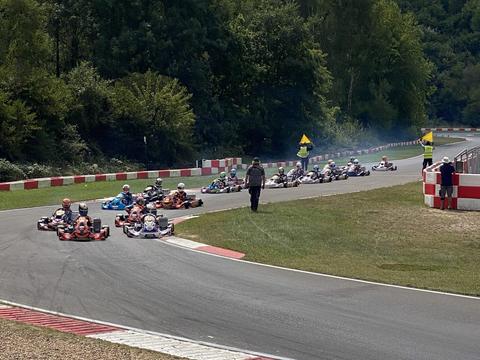
The FIA runs world and continental championships across the main classes — OK, OK-Junior, KZ and KZ2 among them — bringing together the strongest competitors from each category into a formal international competitive structure rather than leaving high-level karting purely to national series.
These championships are taken seriously as genuine motorsport competitions in their own right, not merely feeder events, even though karting's broader cultural role as a training ground for future car racers is also well established.
How a New Driver Chooses a Class
For most newcomers, age effectively decides the entry class, and progression through the ladder — cadet through junior, then into senior OK, then potentially into gearbox KZ classes — happens gradually as a driver ages and develops skill, rather than being a free choice at any point.
Simplified, cost-controlled variants at each level are worth strongly considering for a family or driver testing the waters, since they preserve genuine competitive racing while reducing the financial commitment of the full-specification classes.
Frequently asked questions
What age is OK-Junior karting for?
Roughly 12 to 14 years old, using 125cc water-cooled two-stroke direct-drive engines producing around 26 to 27 horsepower.
What is the difference between OK and KZ karting classes?
OK is a senior direct-drive class for drivers 14 and over. KZ and KZ2 are gearbox classes using a six-speed sequential gearbox, making them significantly faster and more mechanically complex than OK.
What is the difference between KZ and KZ2?
Both are gearbox karting classes using similar engine specifications, but KZ is generally considered the higher-performance of the two, with KZ2 serving as a slightly less extreme gearbox category.
Are there cheaper alternatives to OK and OK-Junior?
Yes, simplified arrive-and-drive variants exist at both junior and senior level, designed specifically to reduce the cost of competing while still offering genuine competitive karting.
Does the FIA run karting world championships?
Yes, across the main classes including OK, OK-Junior, KZ and KZ2, bringing together the strongest competitors from national and continental series into formal international competition.
How does a young driver progress through karting classes?
Typically from cadet through junior classes as they age, into senior OK, and potentially into gearbox KZ classes later — progression is largely tied to age rather than being a free choice at any point.
Is gearbox karting harder than direct-drive karting?
Generally yes. KZ and KZ2 gearbox classes require managing a six-speed sequential gearbox via a hand lever in addition to the driving demands of direct-drive classes, adding real mechanical complexity.

Maya grew up watching rally stages and motocross before following both sports closely as an adult, and covers the off-road side of motorsport for CNMOTOS — from World Rally Championship gravel stages to Supercross stadiums and grassroots karting.
View all articles by Maya Torres →