There Is No Settled Answer
Karting coaches and sim racing advocates continue to genuinely disagree about which discipline more efficiently builds a young driver's racecraft, and both sides have legitimate points rather than one being clearly correct.
The most useful framing is not which one wins, but which specific skills each one teaches well, since the honest answer is that they are complementary rather than competing training tools.
What Only Karting Provides
Karting delivers genuine, unfiltered physical feedback — real g-forces, real consequences for a mistake, and the subtle seat-of-the-pants sensation of exactly when a tire is beginning to lose grip that no simulator, however advanced, has fully replicated yet.
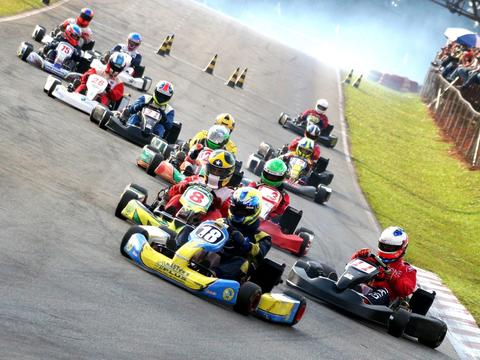
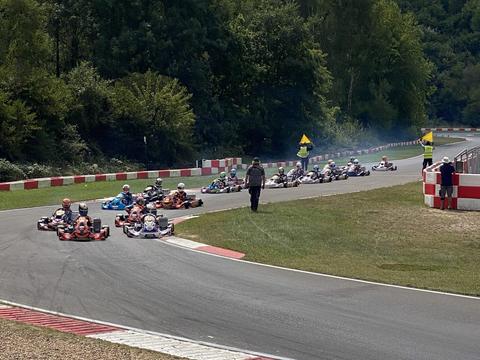
It also puts a driver in genuine wheel-to-wheel combat against other real drivers making real decisions under real physical and competitive pressure, including the fatigue and nerves of an actual race weekend.
What Only Sim Racing Provides
Sim racing offers a volume of repetition that no karting budget or track availability could realistically match — running the same corner hundreds of times in an evening at negligible cost, and doing so on a huge variety of circuits and cars a karting program alone could never expose a young driver to.
This repetition advantage is a genuine, meaningful benefit for building specific technical skills, such as braking-point consistency, even if it does not replace the physical and competitive lessons karting provides.
The Practical Cost Reality
Competitive karting, especially at a serious national or international level, is a genuinely significant financial commitment for a family, involving equipment, travel and event costs that add up considerably over a season. Sim racing, by comparison, offers meaningful practice at a small fraction of that cost.
This cost gap is precisely why many modern driver development programs use sim racing as a supplement to reduce the total amount of expensive real track time needed, rather than as a replacement for karting altogether.
What Serious Driver Programs Actually Do
In practice, essentially every serious modern junior driver development program uses both karting and sim racing, rather than choosing one exclusively — karting for genuine physical racecraft and competitive experience, sim racing for high-volume technical repetition and cost-efficient circuit familiarity.
This practical consensus among professional programs is arguably a better guide than the ongoing public debate, since it reflects what people actually developing racing talent for a living have concluded works best.
The Honest Conclusion
Karting remains genuinely irreplaceable for physical car control, real racecraft and competitive pressure. Sim racing offers genuinely irreplaceable volume, cost-efficiency and circuit variety. Neither one alone builds racecraft as effectively as combining both.
For a family or driver deciding where to start, the realistic answer is not choosing one over the other, but recognizing that karting provides the foundation sim racing cannot replicate, while sim racing extends practice time in ways karting budgets alone cannot afford.
Frequently asked questions
Is karting better than sim racing for young drivers?
Neither is definitively better — they teach different things well. Karting provides genuine physical racecraft and competitive pressure; sim racing provides high-volume, low-cost technical repetition and circuit variety.
Do professional driver programs use sim racing instead of karting?
No, essentially every serious modern program uses both together rather than choosing one exclusively, treating them as complementary rather than competing tools.
Why is karting so expensive at a serious level?
Equipment, travel and event costs add up considerably over a competitive season, especially at national or international level, making it a genuinely significant financial commitment for a family.
Can sim racing replace the physical feedback of karting?
Not fully. Real g-forces, genuine consequences for mistakes, and the subtle feel of a tire losing grip are not yet fully replicated by simulators, however advanced the hardware.
What is the main advantage of sim racing over karting?
Volume of repetition and cost — a driver can run the same corner hundreds of times in an evening at negligible cost, across a huge variety of circuits and cars no karting budget could match.
Should a beginner start with karting or sim racing?
Most driver development approaches use both, with karting providing the physical and competitive foundation sim racing cannot replicate, and sim racing extending affordable practice time.
Is this debate settled among coaches?
No, it remains genuinely ongoing, though practical consensus among professional development programs increasingly favors combining both rather than choosing one exclusively.

Maya grew up watching rally stages and motocross before following both sports closely as an adult, and covers the off-road side of motorsport for CNMOTOS — from World Rally Championship gravel stages to Supercross stadiums and grassroots karting.
View all articles by Maya Torres →