Arcade Origins
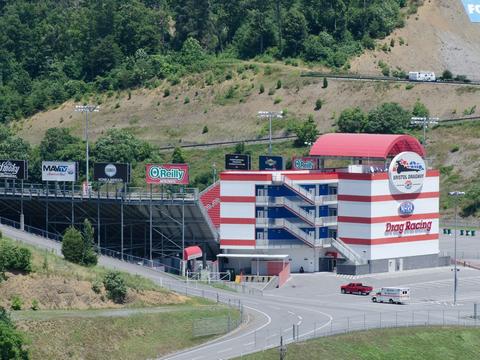
Racing games began as simple arcade cabinets, offering little more than an abstracted sense of speed and steering with no real attempt at simulating vehicle physics. Their goal was entertainment and coin turnover, not accuracy, and nobody at the time treated them as a training tool for real driving.
That changed gradually as home computing and consoles matured, and developers began attempting to model tire grip, weight transfer and car handling with genuine physics rather than simplified arcade rules.
The First Serious Simulations
Through the 1990s and 2000s, a small number of PC titles began building reputations specifically for physics accuracy rather than arcade accessibility, attracting a dedicated community willing to invest in steering wheels and pedals rather than a standard game controller. Grand Prix Legends, released in 1998, is widely considered the era's most ambitious example — the first title to authentically simulate real vehicle dynamics, from track camber to the effects of a spinning engine.
This period established sim racing as a distinct hobby separate from mainstream racing games — defined less by graphics and more by how faithfully a title modeled real car behavior.
The full timeline, year by year
Put the whole story together and it runs from 1970s arcade cabinets to a 2026 esports industry with genuine professional pathways, in six clear steps.
Sim Racing's History, Year by Year
From 1970s arcade cabinets to a 2026 esports industry with real professional pathways, in six verified steps. Press play, or click any point.
The Rise of Organized Online Competition
As internet connectivity improved, sim racing shifted from solo time trials against the clock to organized online competition — leagues, structured seasons and eventually rating systems designed to match drivers of similar skill and cleanliness against each other. Dave Kaemmer and John Henry founded iRacing.com in 2003, officially launching the service in August 2008 with eight cars and 22 laser-scanned tracks, built specifically around structured, ranked competition.
Platforms built specifically around structured competitive racing, rather than as a general racing game with an online mode attached, became the backbone of what is now recognized as competitive sim racing. See our Safety Rating explainer, including an interactive license-ladder simulator, for exactly how that ranked-matching system works today.
Esports Recognition and Manufacturer Involvement
Sim racing gained genuine esports legitimacy as major manufacturers and real-world racing series began sanctioning official esports championships directly tied to their brands, treating results and driver talent with a seriousness that would have been unthinkable in the arcade era.
This period also saw professional motorsport teams begin using simulator time as a real part of driver preparation, closing the gap between the sim racing world and the professional racing world it had once been entirely separate from.
The Real-World Pathway Emerges
PlayStation's Gran Turismo and Nissan's Driver Development Programme launched GT Academy in 2008, seeking out sim racers talented enough to become real professional drivers. The proof of concept arrived in 2011, when Jann Mardenborough, from Cardiff, beat 90,000 competitors to win the program and went on to build a genuine professional racing career.
This pathway remains far from guaranteed or common, but its mere existence marks a fundamental shift from sim racing's arcade-cabinet origins, when nobody imagined virtual racing ability translating into a real racing career.
Sim Racing Today
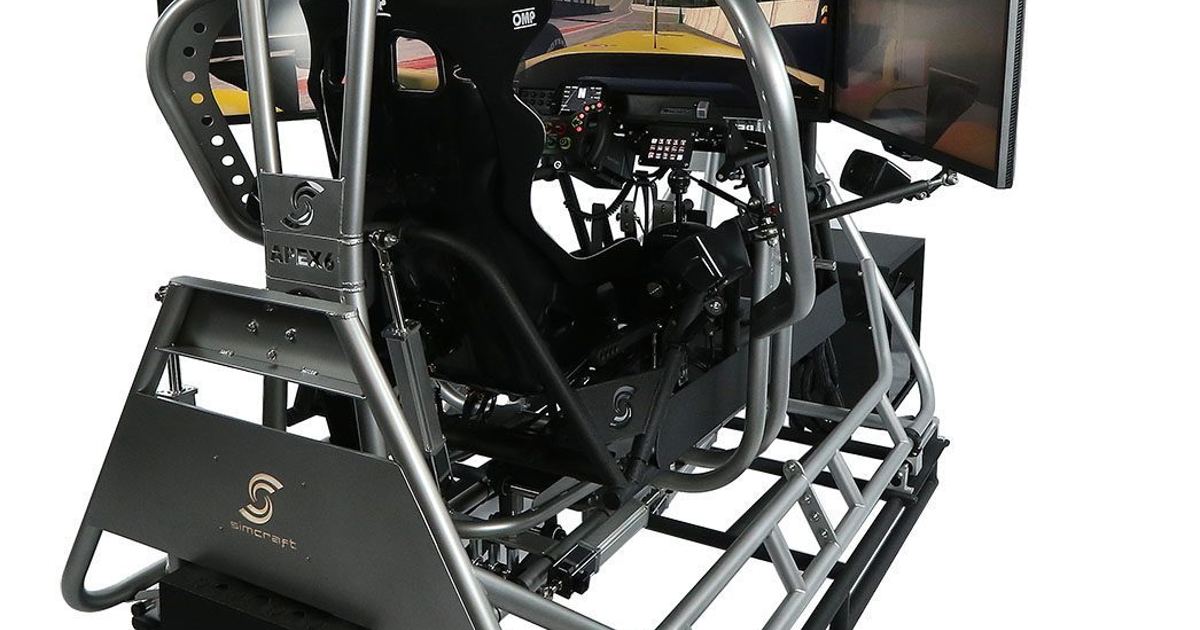
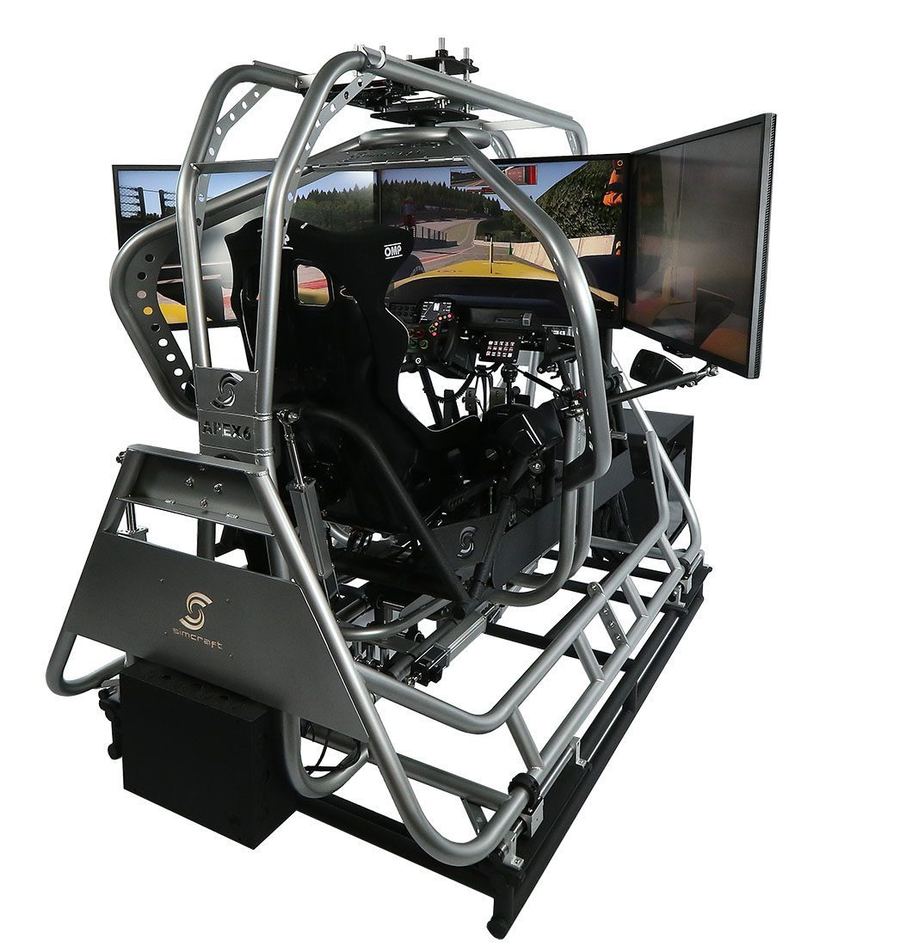
Modern sim racing now includes officially sanctioned esports championships attached to major real-world series, professional full-time competitors, genuine prize money, and hardware sophisticated enough that professional teams use it for real driver preparation.
That scale and legitimacy would have been unrecognizable to the arcade cabinets the hobby started from, and it continues to grow as simulation fidelity and online infrastructure both keep improving. See our sim racing vs karting comparison for how it now sits alongside real-world driver development rather than apart from it.
Frequently asked questions
How did sim racing start?
As simple arcade cabinets offering an abstracted sense of speed and steering, with no real attempt at simulating vehicle physics. Genuine physics-based simulation developed later on home computers.
What was the first serious racing simulation?
Grand Prix Legends, released in 1998, is widely considered the first title to authentically simulate real vehicle dynamics — track camber, tire behavior and the effects of a spinning engine — rather than simplified arcade rules.
When was iRacing founded?
Dave Kaemmer and John Henry founded iRacing.com in 2003, officially launching the online racing service in August 2008 with eight cars and 22 laser-scanned North American tracks.
Is sim racing recognized as a real esport?
Yes. Major manufacturers and real-world racing series now sanction official esports championships directly tied to their brands, with professional competitors and genuine prize money.
Can sim racing lead to a real racing career?
It has for some drivers, most visibly through GT Academy, launched in 2008, which sent Jann Mardenborough — a 2011 graduate who beat 90,000 competitors — on to a genuine professional racing career.
Do professional racing teams use sim racing technology?
Yes. Professional motorsport teams now use simulator time as a real part of driver preparation, treating it as a legitimate training tool rather than a separate hobby.
What made early sim racing titles different from arcade games?
A focus on physics accuracy — modeling tire grip, weight transfer and car handling faithfully — rather than the simplified, accessible arcade rules earlier racing games used.
When did organized online sim racing competition begin?
As internet connectivity improved through the 2000s, sim racing shifted from solo time trials to organized leagues, structured seasons and rating systems, with iRacing's 2008 launch a landmark moment for that shift.
Who was Jann Mardenborough?
A GT Academy graduate from Cardiff who beat 90,000 competitors in 2011 to win the program, going on to build a genuine professional racing career — one of sim racing's clearest early proofs that the real-world pathway was genuine.
What is GT Academy?
A talent program launched in 2008 by PlayStation's Gran Turismo and Nissan's Driver Development Programme, designed to identify skilled sim racers and give them opportunities in real professional motorsport.
How many cars and tracks did iRacing launch with in 2008?
Eight cars and 22 laser-scanned North American tracks, built around a modified version of NASCAR Racing 4's source code from founder Dave Kaemmer's earlier work at Papyrus.
Is Grand Prix Legends still relevant to sim racing today?
Historically, yes — it's widely credited as the title that proved physics-accurate simulation was possible, setting the template every serious sim since has built on.
Sources

Pippa has followed open-wheel racing for 12 years, from Formula 1's turbo-hybrid era to IndyCar's short ovals, and has watched competitive sim racing grow from a niche hobby into a genuine motorsport discipline in its own right. She covers circuit and open-wheel racing, touring cars and esports for CNMOTOS.
View all articles by Pippa Cook →