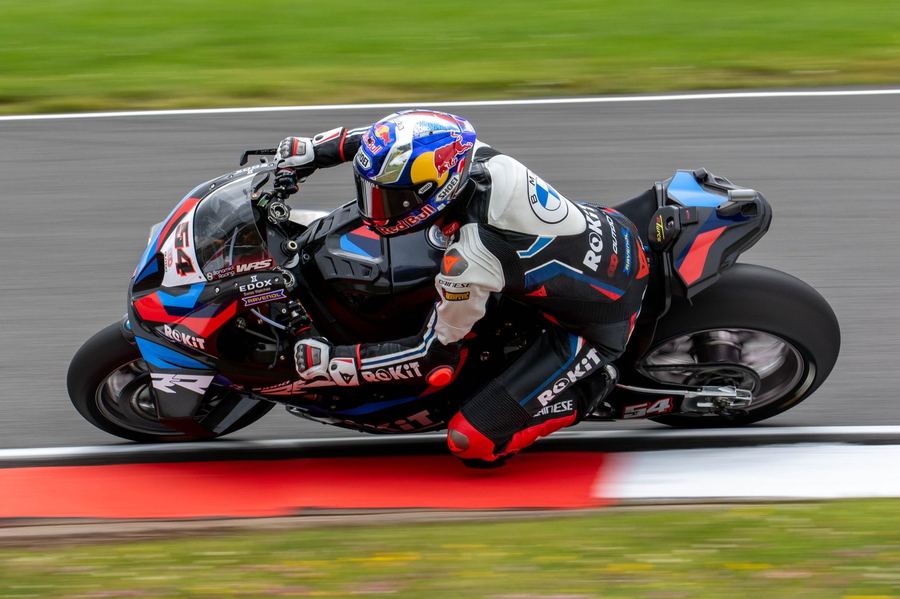
A Deliberate Alternative to Grand Prix Racing
The Superbike World Championship was created specifically to offer a production-based alternative to Grand Prix motorcycle racing, built around the idea that motorcycles derived from real road-going machines could provide genuinely serious, competitive world championship racing rather than remaining a lesser category compared with pure prototypes. The first round ran at Donington Park on 3 April 1988, with Davide Tardozzi winning Race 1 for Bimota and Marco Lucchinelli taking Race 2 for Ducati; Fred Merkel became the championship's first-ever champion.
That founding premise — real bikes, seriously modified, racing at the highest level — has remained the championship's defining identity through every subsequent technical and commercial era.
Proving the Concept Early
In its early seasons, WorldSBK demonstrated that production-based racing could produce genuinely close, technically sophisticated competition, attracting serious manufacturer investment from major motorcycle brands eager to prove their road bikes competitive at the highest level.
This early credibility mattered enormously, since the championship's entire premise depended on convincing manufacturers, fans and the wider motorsport world that production-based racing deserved to be taken as seriously as Grand Prix prototypes.
The full timeline, year by year
Put the whole story together and it runs from a 1988 Donington Park debut to 2026's newest entry-level class, in five clear steps.
World Superbike's History, Year by Year
From a 1988 Donington Park debut to 2026's new entry-level class, in five verified steps. Press play, or click any point.
An Ongoing Relationship With MotoGP
WorldSBK and Grand Prix motorcycle racing, now organized as MotoGP, have coexisted for decades as parallel top-level motorcycle championships, occasionally drawing direct comparison from fans and media over which offers better racing or more genuine technical relevance.
Riders have moved between the two championships in both directions over the decades, and that crossover — some riders excelling in one series after struggling or thriving in the other — has become a recurring storyline that keeps the comparison between the two championships alive for fans. See our full WSBK vs MotoGP comparison for exactly how the two differ today.
Technical Rules Evolving Over Time
WorldSBK's homologation and technical rules have been refined repeatedly over the championship's history, adjusting production requirements, permitted modifications and class structures beneath the top tier as the sport responded to changing manufacturer participation and competitive balance concerns.
The most recent significant change replaced the long-standing WorldSSP300 entry class with a new World Sportbike category from 2026, built around mid-capacity production machines rather than the smaller-displacement bikes the previous entry class used — see our full homologation rules explainer for exactly how a road bike qualifies to race.
Manufacturer Commitment Across Eras
Major motorcycle manufacturers have maintained varying but generally sustained commitment to WorldSBK across its history, valuing the direct marketing relevance a production-based championship offers in a way a pure prototype series cannot replicate.
This manufacturer investment has been central to the championship's survival and growth, since production-based racing's credibility depends on serious factory-level competition rather than privateer teams alone.
Why This History Still Shapes the Championship Today
WorldSBK's founding argument — that production-based racing deserves genuine world championship status alongside Grand Prix prototypes — remains the lens through which the championship should be understood today, explaining its homologation rules, its manufacturer relationships and its ongoing comparison with MotoGP.
Every technical rule change since the championship's founding has been an attempt to keep that original premise credible as motorcycle technology, manufacturer priorities and competitive balance concerns have all evolved.
Frequently asked questions
Why was World Superbike created?
To offer a production-based alternative to Grand Prix motorcycle racing, built on the idea that road-derived motorcycles could provide genuinely serious world championship competition rather than a lesser category.
When did World Superbike start?
1988, with the first round held at Donington Park on 3 April. Fred Merkel became the championship's first-ever champion that season.
Is World Superbike older or newer than MotoGP?
Both have coexisted as parallel top-level motorcycle championships for decades, with WorldSBK specifically created to offer a production-based alternative to what eventually became MotoGP.
Do riders move between WorldSBK and MotoGP?
Yes, in both directions over the decades, and that crossover has become a recurring storyline that keeps direct comparison between the two championships alive for fans.
What recently changed in WorldSBK's class structure?
The long-standing WorldSSP300 entry class was replaced from 2026 by a new World Sportbike category, built around mid-capacity production machines rather than the previous class's smaller-displacement bikes.
Why do manufacturers value WorldSBK specifically?
Because it offers direct marketing relevance tied to real production motorcycles, something a pure prototype series like MotoGP cannot replicate in the same way.
When was the Superpole Race added to WSBK weekends?
2019, adding a third, shorter race alongside the two full-length races and turning WSBK into the three-session weekend format still used today.
Has WorldSBK's technical rulebook changed much over time?
Yes, repeatedly, with production requirements, permitted modifications and class structures beneath the top tier all refined over the championship's history in response to manufacturer participation and competitive balance.
What is WorldSBK's core identity as a championship?
A production-based world championship proving that motorcycles derived from real road-going machines can provide genuinely serious, competitive racing at the highest level.
Who won the very first WorldSBK race?
Davide Tardozzi, riding for Bimota, won Race 1 at the inaugural 1988 Donington Park round. Marco Lucchinelli won Race 2 for Ducati after Tardozzi crashed near the end.
Who was WorldSBK's first-ever champion?
Fred Merkel, an American rider, won the inaugural 1988 season title.
What technical changes came with WorldSBK's 2024 rule updates?
Significant changes aimed at cost control and closer competitive balance, continuing the championship's long pattern of refining homologation and technical rules as manufacturer participation evolves.
Sources
Jack has been a motorcycle racing enthusiast for as long as he can remember. For CNMOTOS, he covers everything from MotoGP and World Superbike to drag racing and the sport's more niche corners, like sidecar and three-wheel racing.
View all articles by Jack Korpela →