NGTC
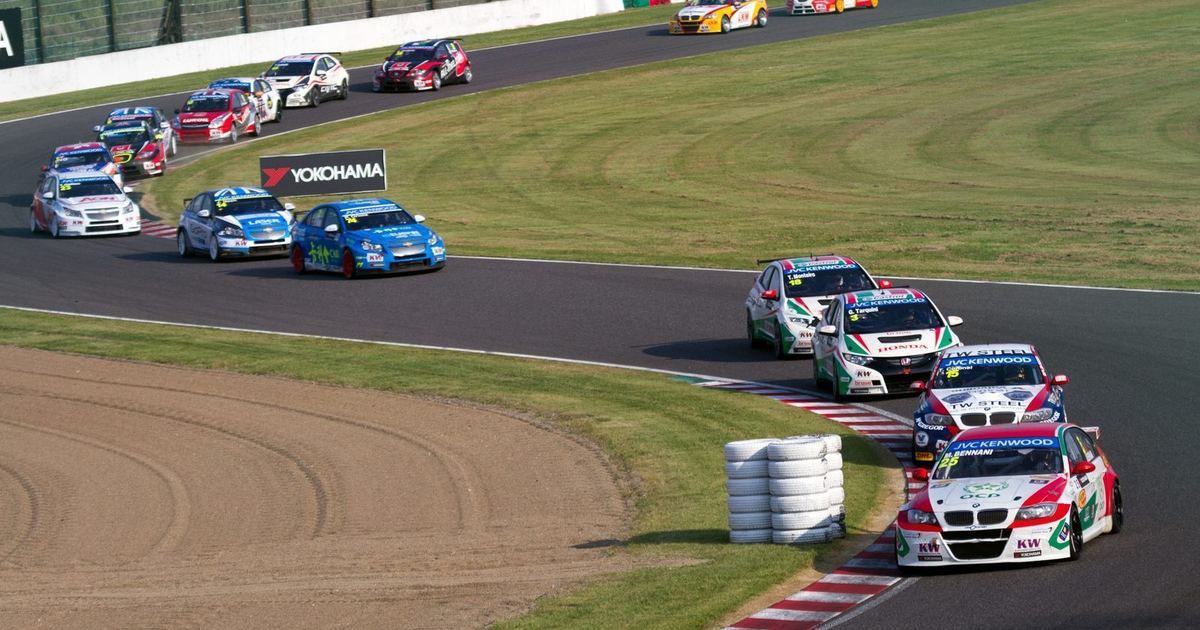
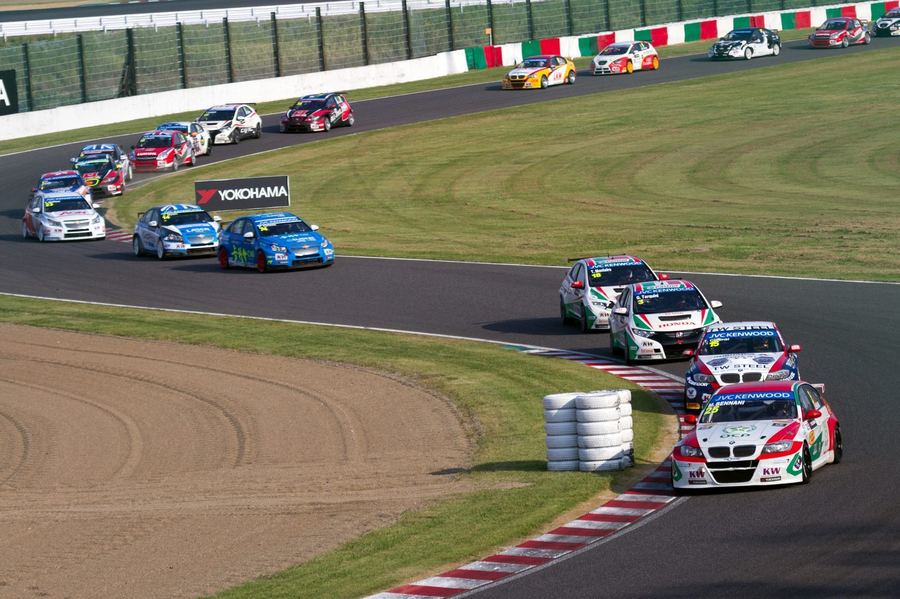
Next Generation Touring Car, the BTCC's cost-controlled technical formula built around standardized components — a common gearbox and other shared parts — designed to keep costs down while leaving teams meaningful freedom over engine choice and setup.
It was introduced in 2011 specifically as a response to the unsustainable spending of the earlier Super Touring era, prioritizing affordability and grid depth over unrestricted development.
TCR
An international touring car technical formula, distinct from NGTC, built around an accessible, cost-controlled ruleset that any manufacturer can build a car to. Created in 2014, TCR now underpins numerous national championships and dedicated international series worldwide.
A TCR car and an NGTC car are both touring cars in the broad sense but are built to different technical rulesets, which is why direct comparisons between BTCC and international TCR series need some care. See our history of touring car racing for how these two formulas emerged from the same Super Touring cost crisis.
Success Ballast
The BTCC's original equalizing system: extra weight added to a car, and sometimes its driver, based on recent results, intended to slow down recent winners just enough to keep grids competitive.
It has since been replaced, first by a hybrid boost system in 2022 and then by TOCA Turbo Boost from 2026, though the term is still commonly used loosely by fans to describe whatever the current equalizing mechanism is.
Reverse Grid
A grid for a later race in a weekend built partly from a reversal of the previous race's finishing order, often with a randomly drawn element applied to part of the midfield rather than a strict, fully predictable reversal.
Reverse grids are one of the two main tools, alongside the active boost or ballast system, that touring car championships use to keep a single weekend's results unpredictable.
TOCA Turbo Boost (TTB)
The BTCC's current performance-equalizing system as of 2026, which allocates greater turbocharged boost access — for 50% of racing laps at a lower minimum activation speed — to cars 8th and below in the championship than to the top 7, replacing the previous hybrid electric boost system.
Read our full explainer on how the BTCC keeps its grids close, including an interactive boost simulator, for the complete history of ballast, hybrid boost and TTB.
Safety Car
A car deployed to slow the field to a controlled pace following an incident that makes full-speed racing unsafe, common in touring car racing given the category's tolerance for contact and resulting bodywork damage or debris.
Safety car periods can meaningfully affect strategy across a three-race weekend, particularly around tire and brake temperature management once racing resumes.
The full glossary, as flashcards
All eight terms above, condensed — click to flip each card and test yourself.
Flip Through the Full Glossary
Click any card to flip it and reveal the definition.
Frequently asked questions
What does NGTC mean in touring car racing?
Next Generation Touring Car, the BTCC's cost-controlled technical formula built around standardized components, introduced in 2011 to keep costs down after the unsustainable spending of the Super Touring era.
What is the difference between NGTC and TCR?
Both are touring car technical formulas, but NGTC is specific to the BTCC while TCR, created in 2014, is an international standard used by numerous national championships and series worldwide. They are built to different technical rulesets.
Is success ballast still used in touring car racing?
Not in the BTCC as of 2026, where it has been replaced first by hybrid boost and then by TOCA Turbo Boost, though the term is still sometimes used loosely to describe whatever the current equalizing system is.
What is a reverse grid in touring cars?
A grid for a later race in a weekend built partly from a reversal of the previous race's finishing order, often with a randomly drawn element applied to part of the midfield.
What is TOCA Turbo Boost?
The BTCC's current equalizing system as of 2026, giving cars 8th and below in the championship boost access for 50% of racing laps at a lower minimum speed than the top 7.
Why do touring car races have safety car periods so often?
The category tolerates significant contact between cars, which produces bodywork damage and debris more often than lower-contact motorsport disciplines, leading to more frequent safety car deployments.
Are TCR cars the same as BTCC cars?
No. Both are touring cars in the general sense, but BTCC cars are built to the NGTC technical formula while TCR cars follow a separate international ruleset.
What was Super Touring?
The BTCC's 1990s technical formula, remembered as the category's golden age for closeness of racing, but ultimately unsustainable due to unrestricted manufacturer development spending.
What is DTM?
Germany's premier touring series, which abandoned its touring-car-specific technical roots in 2021 to run Group GT3 machinery instead, following Mercedes and Audi's withdrawals.
When was TCR created?
2014, and it has since become the dominant international touring car standard, underpinning numerous national and international series.
What replaced hybrid boost in the BTCC?
TOCA Turbo Boost (TTB), introduced for 2026, which also cut around 55kg of hardware weight since the hybrid system's components were no longer needed.
Why does the BTCC use both a boost system and reverse grids?
They target different things — the boost system equalizes raw pace by championship position, while reverse grids scramble starting order between races. Together they keep both pace and grid position unpredictable.

Pippa has followed open-wheel racing for 12 years, from Formula 1's turbo-hybrid era to IndyCar's short ovals, and has watched competitive sim racing grow from a niche hobby into a genuine motorsport discipline in its own right. She covers circuit and open-wheel racing, touring cars and esports for CNMOTOS.
View all articles by Pippa Cook →

_opening_lap.jpg)