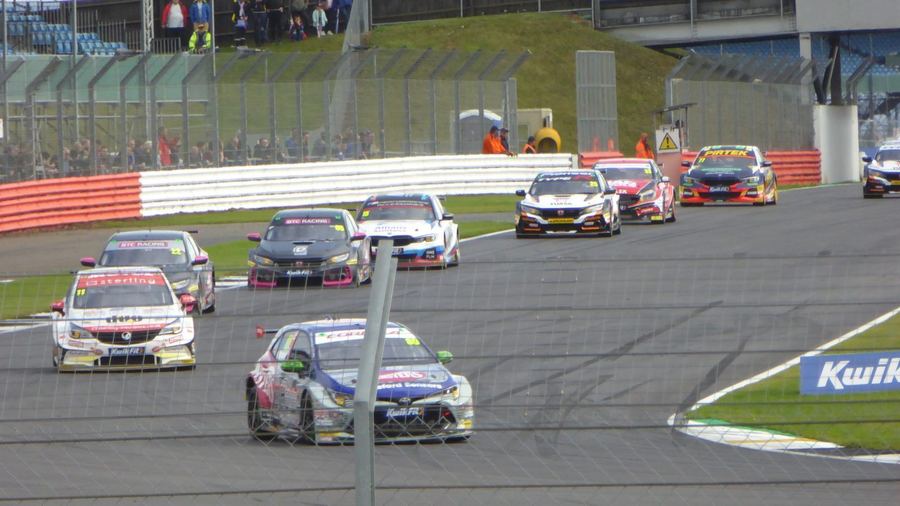
The Goal: No Car Stays Dominant
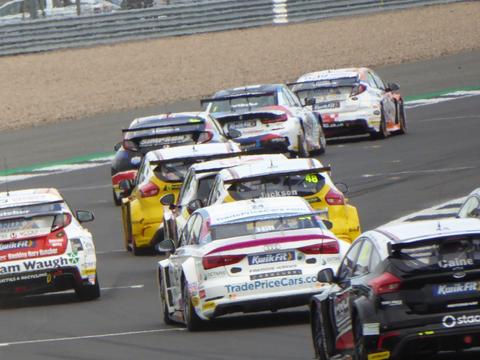
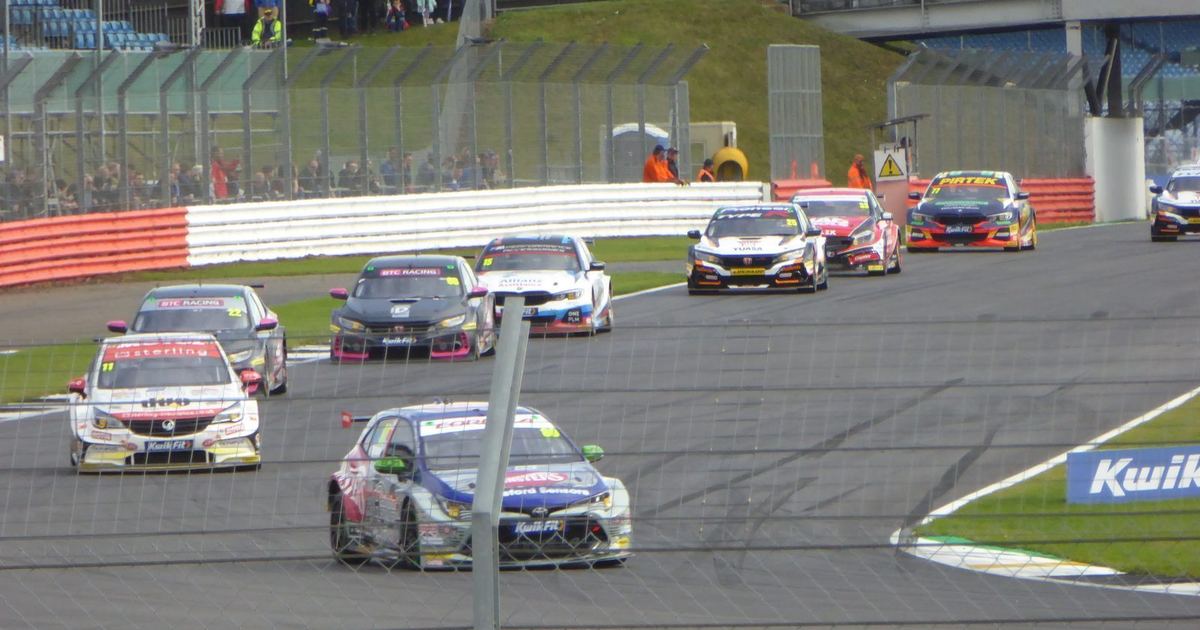
Touring car racing has a structural problem that other categories do not face in the same way: production-based rules mean some cars are simply better suited to circuit racing than others, and left alone, one manufacturer could dominate an entire season. The BTCC has tackled this directly for decades, using an active equalizing mechanism rather than hoping regulations alone keep things close.
What has changed repeatedly is exactly which mechanism does that job. The BTCC has used three different systems in roughly the last decade, each replacing the one before it as technology and priorities shifted.
Success Ballast: The Original System
For years, the BTCC's primary equalizer was success ballast — extra weight added to a car, and sometimes specifically to its driver, based on recent results. Win a race, and the car would carry meaningfully more weight into the next one, slowing it just enough to open the door for rivals without artificially deciding the outcome.
It was a deliberately blunt, openly discussed system. Fans could track a title contender's ballast load as easily as their points total, and it directly explained why a dominant car from one weekend often struggled the next.
The 2022 Hybrid Boost System
In 2022, the BTCC introduced a hybrid boost system, replacing traditional success ballast as the primary equalizer. Rather than adding weight, this system gave cars an on-demand electrical power boost, with the amount available tied to championship position — cars further back in the standings received more generous boost access than the leaders.
This shifted the equalizing mechanic from a passive one, weight the driver simply had to carry, to an active one the driver had to manage and deploy, adding a genuine strategic layer that success ballast alone had not required.
TOCA Turbo Boost: The Current System
For 2026, the hybrid system was removed entirely and replaced by TOCA Turbo Boost (TTB), continuing the same underlying principle — more boost access for cars further back in the championship — but through a turbocharged boost allocation rather than an electric hybrid unit. The change also cut around 55kg from the cars, since the hybrid hardware was no longer needed.
Under TTB, cars outside the top seven in the championship get boost access for a larger proportion of racing laps, at a lower minimum activation speed, than the leading pack. On fast circuits especially, that difference in boost access meaningfully affects overtaking opportunities.
Reverse Grids: The Other Half of the Equation
Alongside whichever performance-equalizing system is in place, the BTCC has long used partially reversed grids between races in a single weekend. Race three's grid, for example, is built from race two's finishing order for the top positions, with a randomly drawn reversal applied to a chunk of the midfield — commonly those finishing sixth through twelfth are drawn from a bowl to help decide part of the reversed order.
That randomized element matters: it prevents teams from perfectly predicting and gaming the reversed grid, and it means a driver who had a strong race two can still end up starting race three from well back in the pack.
Why the System Keeps Changing but the Goal Stays the Same
Each shift — from ballast, to hybrid boost, to TOCA Turbo Boost — has been driven by cost, technology and safety considerations rather than any dissatisfaction with the underlying goal. The BTCC has consistently preferred an active, position-based equalizer over doing nothing and letting the strongest manufacturer simply win repeatedly.
For a viewer, the practical takeaway has stayed constant across all three eras: whatever the exact mechanism, expect the car leading the championship to be carrying a genuine competitive disadvantage relative to the cars behind it, by design.
Frequently asked questions
Does the BTCC still use success ballast?
No. Success ballast, a weight-based penalty for recent winners, was the BTCC's primary equalizer for years but was replaced by a hybrid boost system in 2022, which was itself replaced by TOCA Turbo Boost from the 2026 season.
What is TOCA Turbo Boost?
The BTCC's current performance-equalizing system, introduced for 2026, which gives cars further back in the championship greater turbocharged boost access than the leading pack, replacing the previous hybrid electric boost system.
How did BTCC's old hybrid system work?
Introduced in 2022, it gave cars an on-demand electrical power boost, with more generous boost access allocated to cars further back in the championship standings than to the leaders.
What is a reverse grid in the BTCC?
A grid for a later race in the weekend built partly from the previous race's finishing order, with a randomly drawn reversal applied to a section of the midfield, commonly positions sixth through twelfth.
Why does the BTCC keep changing its equalizing system?
Each change has been driven by cost, technology and safety factors rather than dissatisfaction with the underlying goal, which has stayed consistent: preventing any one manufacturer from dominating an entire season.
How much weight did BTCC cars lose when hybrid was removed?
Around 55kg, since the hybrid hardware required for the 2022-2025 system was no longer needed once TOCA Turbo Boost replaced it for 2026.
Does the championship leader have an advantage in the BTCC?
Not typically. By design, whichever equalizing system is active gives cars further back in the standings a genuine performance advantage over the leader, intended to keep grids competitive rather than let one car or manufacturer dominate.

Pippa has followed open-wheel racing for 12 years, from Formula 1's turbo-hybrid era to IndyCar's short ovals, and has watched competitive sim racing grow from a niche hobby into a genuine motorsport discipline in its own right. She covers circuit and open-wheel racing, touring cars and esports for CNMOTOS.
View all articles by Pippa Cook →