Understand the Three-Race Weekend
A standard BTCC weekend runs qualifying followed by three separate races, each awarding full championship points. This is the single most important thing to understand before watching: the weekend's outcome is not decided by one race, and a poor result in race one does not ruin the whole weekend the way it might in a single-race series.
Watch how a driver's fortunes change across the three races — a car that struggled in race one, carrying a heavier boost disadvantage after a strong recent run, can look completely different in race three once the grid has reshuffled.
Watch the Boost Allocation
The BTCC's current TOCA Turbo Boost system gives cars further back in the championship greater boost access than the leaders — broadcasts typically explain or display this, and it is worth paying attention to, since it directly affects overtaking opportunities in each race.
A leading championship contender running near the front despite a genuine performance disadvantage is one of the more impressive things to watch for once you understand the system is working against them by design.
Follow the Grid Changes Between Races
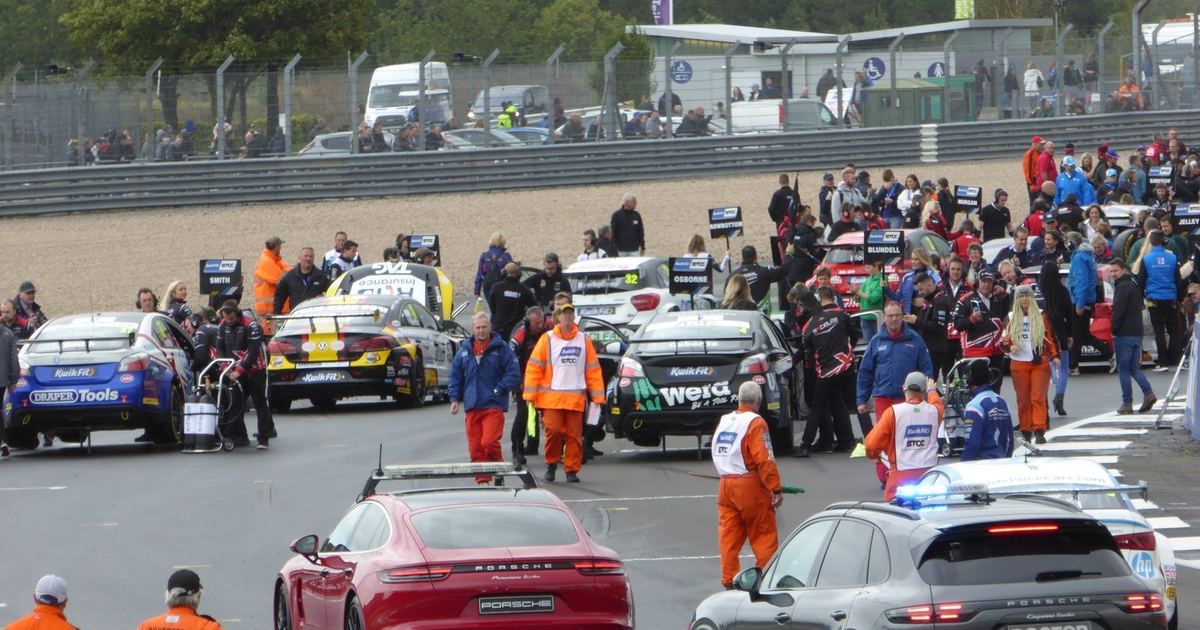
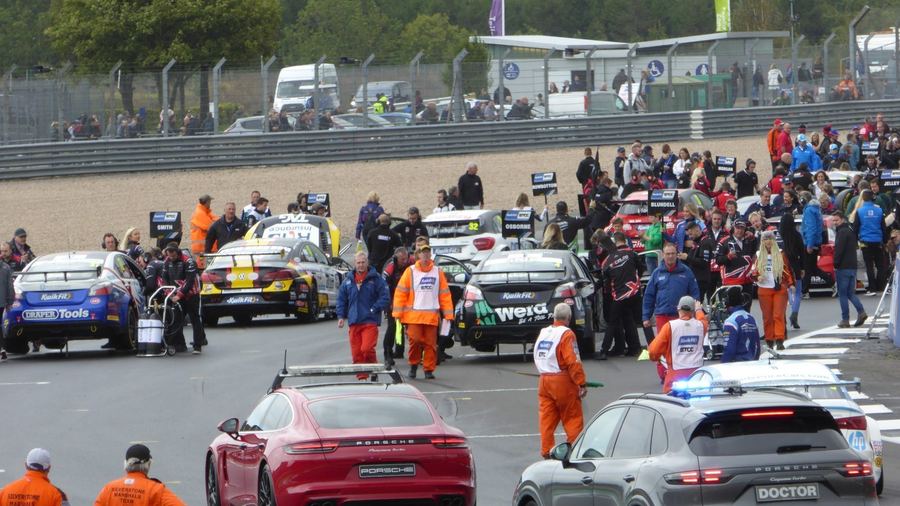
Grids for the second and third races of a weekend are partly built from partial reversals of the previous race's finishing order, with an element of randomness applied to part of the midfield. This means grid positions can look completely different from one race to the next, and a driver who qualified poorly can find themselves starting from the front of a later race.
Following exactly how each grid was constructed — who reversed with whom, and why — is one of the more satisfying parts of understanding a BTCC weekend once it clicks.
Expect Contact, and Understand Why
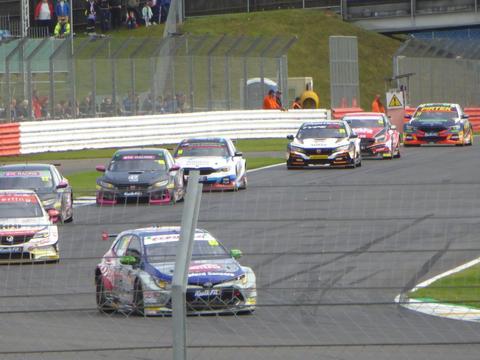
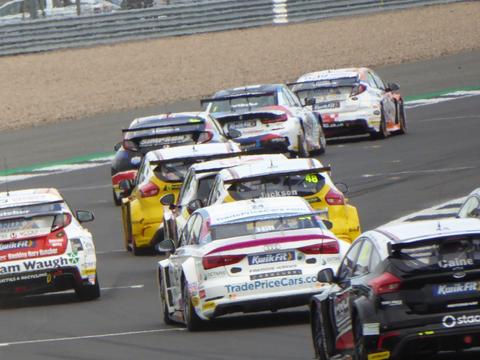
Touring car racing tolerates more contact between cars than most other motorsport categories, and this is by design rather than a sign of poor driving standards. Expect door-to-door racing, occasional bodywork damage, and stewards distinguishing between acceptable racing incidents and genuinely dangerous or deliberate moves.
New viewers sometimes mistake this contact for chaos; experienced fans generally see it as one of the category's core appeals, produced directly by grids kept artificially close by the equalizing system.
Where to Watch
The BTCC has historically been shown live and free-to-air on UK television, with additional streaming options for both UK and international audiences. Check current broadcast listings for your region, since coverage arrangements can change between seasons.
Qualifying is worth watching in addition to the races themselves, since starting position — before any grid reversal is applied — still meaningfully affects a driver's chances across the weekend.
Frequently asked questions
How many races are in a BTCC weekend?
Three, each awarding full championship points, following a qualifying session that sets the grid for the first race.
Why do BTCC grids change between races?
Grids for later races in the weekend are partly built from a reversal of the previous race's finishing order, with a randomly drawn element applied to part of the midfield, keeping the running order unpredictable.
Why is there so much contact in BTCC racing?
The category tolerates more physical contact than most motorsport disciplines, a result of grids kept artificially close by an active equalizing system, and it is generally considered one of the category's core appeals rather than a sign of poor driving.
Does the championship leader have an advantage in BTCC racing?
No, typically the opposite. The current TOCA Turbo Boost system gives cars further back in the standings greater boost access than the leaders, by design.
Is BTCC qualifying important if the grid gets reversed anyway?
Yes. Only part of the grid for later races is affected by reversal, and starting position before any reversal still meaningfully affects a driver's overall weekend.
Where can I watch the BTCC?
It has historically been shown live and free-to-air on UK television with additional streaming options, though broadcast arrangements can change between seasons, so check current listings for your region.
What should a new BTCC viewer focus on first?
The three-race weekend structure and the boost allocation system — understanding that the leader is carrying a built-in disadvantage explains most of what makes a BTCC weekend unpredictable.

Pippa has followed open-wheel racing for 12 years, from Formula 1's turbo-hybrid era to IndyCar's short ovals, and has watched competitive sim racing grow from a niche hobby into a genuine motorsport discipline in its own right. She covers circuit and open-wheel racing, touring cars and esports for CNMOTOS.
View all articles by Pippa Cook →