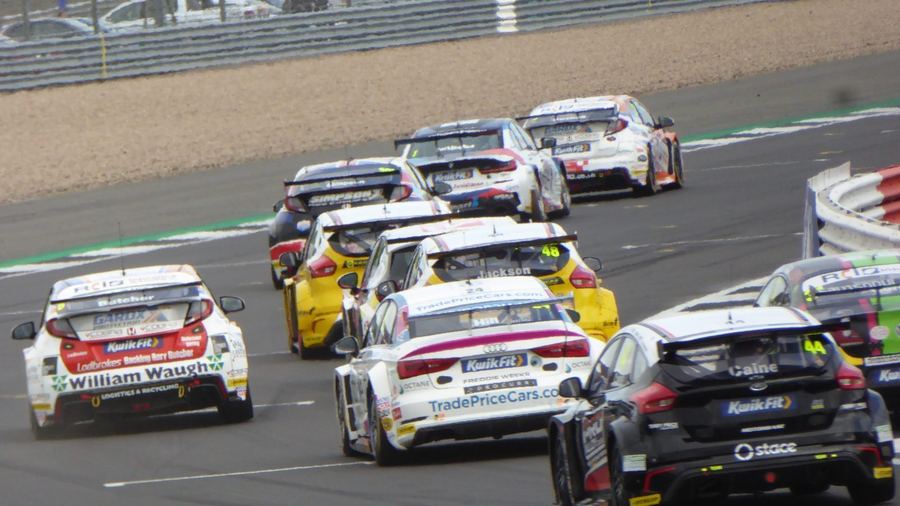
Racing Production Cars, Not Prototypes
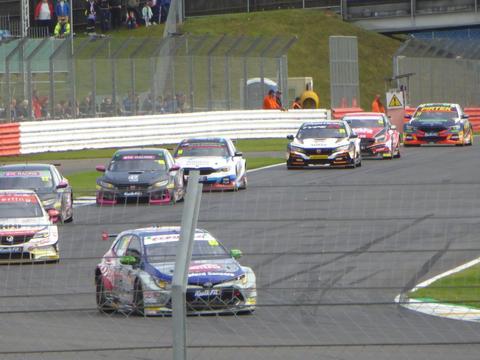
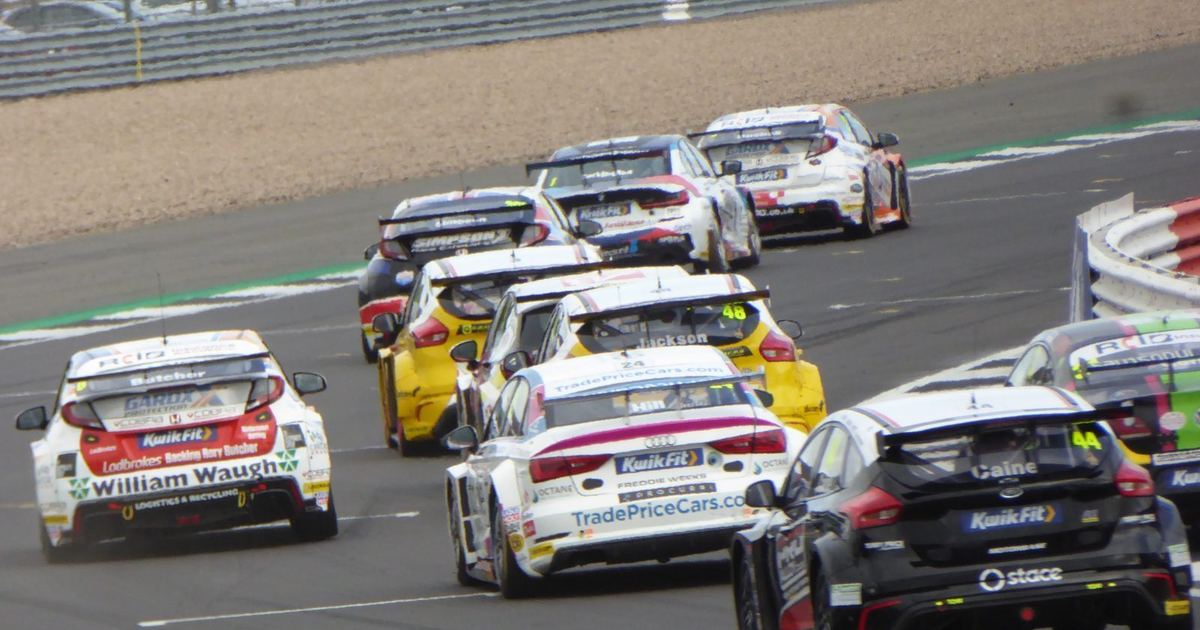
Touring car racing grew from a simple, appealing idea: race the same kinds of cars ordinary people actually drove, rather than purpose-built prototypes. That production-based foundation is what has always separated touring cars from single-seater and sports-prototype racing, and it is why manufacturers have historically valued success in the category — a race win said something directly about the road car.
The BTCC itself dates back to the 1950s in various forms, but it was a specific technical era decades later that turned it into one of the most watched touring car championships in the world.
The Super Touring Era
The 1990s Super Touring regulations are widely remembered as touring car racing's golden age. The rules allowed extensive, expensive development within a 2.0-liter production-based formula, and manufacturers poured serious money into the category, chasing the marketing value of a touring car championship win.
The racing that resulted was some of the closest and most spectacular the category has produced, but the technical arms race also made the category financially unsustainable for smaller teams, eventually forcing a rules reset.
The Move Toward Cost-Controlled Racing
Following Super Touring's spending spiral, the BTCC and touring car racing generally moved toward more tightly cost-controlled technical regulations, favoring accessible, standardized components over unrestricted manufacturer development.
This shift produced the modern era's defining characteristic: grids that are competitive not because every car is identical, but because active equalizing systems and cost controls together prevent any one approach from running away with a season.
TCR and the Global Spread of Touring Cars
Outside Britain, the TCR technical formula has become the dominant international touring car standard, built around an accessible, cost-controlled ruleset that any manufacturer can build a car to. It now forms the backbone of numerous national championships worldwide and international series built specifically around it.
TCR's global spread reflects the same lesson the BTCC learned from Super Touring: touring car racing thrives when a broad range of manufacturers and teams can afford to compete, rather than when a small number of well-funded factory efforts dominate.
DTM's Different Path
Germany's DTM took a different technical direction over the same period, moving through eras of prototype-based silhouette cars before eventually adopting GT3 machinery as its technical base — production-derived GT cars rather than the touring-car-specific formulas the BTCC and TCR use.
That divergence illustrates how differently national touring car championships have solved the same underlying challenge of keeping a production-based category competitive and affordable.
What the History Explains About Today's Racing
Touring car racing's history explains why the category has always been unusually willing to intervene actively in competitive balance, whether through technical rules or active equalizing systems like ballast and boost — the Super Touring era proved decisively that leaving development entirely unrestricted eventually breaks the category financially.
It also explains the enduring appeal: fans have consistently responded to close, contact-heavy racing between recognizable production cars more than to a wide performance gap between a dominant manufacturer and the rest of the field.
Frequently asked questions
What was the Super Touring era in touring car racing?
A 1990s BTCC technical formula allowing extensive development within a 2.0-liter production-based ruleset. It produced some of the closest racing in the category's history but became financially unsustainable due to the resulting spending spiral.
Why did touring car racing move to cost-controlled rules?
The Super Touring era's unrestricted development spending made the category unaffordable for smaller teams, forcing a shift toward standardized, cost-controlled technical regulations.
What is TCR in touring car racing?
An accessible, cost-controlled international touring car technical formula that any manufacturer can build a car to. It now underpins numerous national championships and international series worldwide.
Is DTM the same as touring car racing?
DTM has touring car roots but moved through prototype-based silhouette-car eras before adopting GT3 machinery, a production-derived GT car base rather than a touring-car-specific formula like the BTCC or TCR use.
Why do manufacturers value touring car racing?
Because touring cars are production-based, a race win has historically carried direct marketing relevance to the road car it is based on, unlike prototype categories built on cars nobody can buy.
How old is the BTCC?
The championship dates back to the 1950s in various forms, though its most commercially significant period is generally considered to be the Super Touring era of the 1990s.
What lesson did the BTCC learn from Super Touring?
That leaving technical development entirely unrestricted eventually breaks a production-based category financially, which is why the category has since favored active cost control and competitive-balance systems.

Pippa has followed open-wheel racing for 12 years, from Formula 1's turbo-hybrid era to IndyCar's short ovals, and has watched competitive sim racing grow from a niche hobby into a genuine motorsport discipline in its own right. She covers circuit and open-wheel racing, touring cars and esports for CNMOTOS.
View all articles by Pippa Cook →