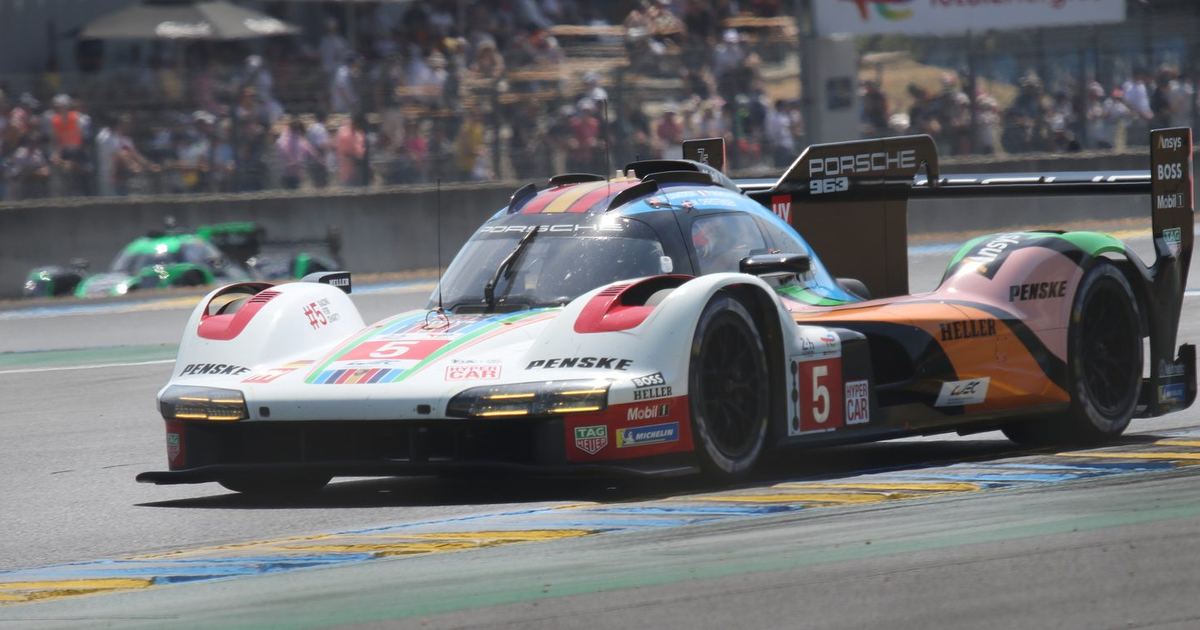
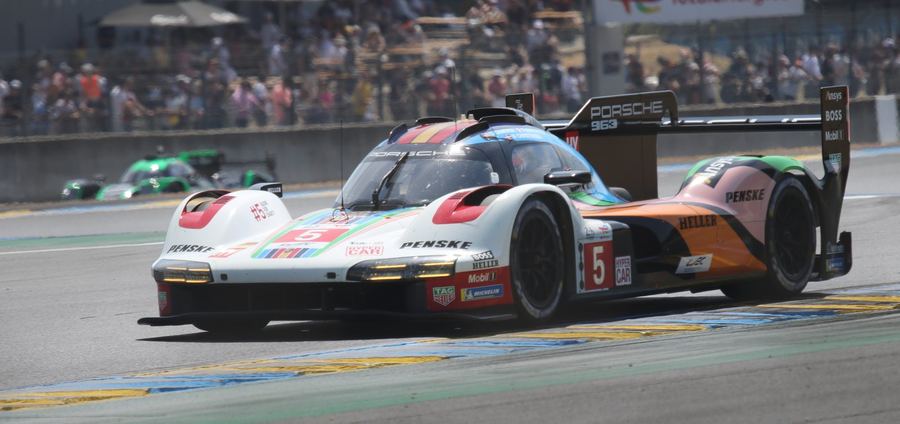
Stint
A single continuous period a driver spends behind the wheel before being relieved by a co-driver, planned in advance based on fuel range, tire life and regulated maximum driving time limits.
Stint length planning is a core part of endurance racing strategy, balancing a driver's peak performance window against fuel and tire strategy across the whole race.
Driver Categories and Ratings
Many endurance racing classes, particularly in GT categories, use a driver rating or category system that classifies competitors by experience and pace, ensuring a car's overall driver lineup meets a required balance rather than fielding an entire crew of top-tier professionals against amateur-heavy rivals.
This system exists specifically to keep GT class competition fair given that endurance racing, unlike most single-seater categories, regularly includes talented amateur drivers alongside full-time professionals in the same car.
Full-Course Yellow
A caution period covering the entire circuit rather than just a local section, requiring all cars to slow to a specified pace, typically used following a serious incident that could affect multiple areas of a long circuit simultaneously.
Full-course yellows are a significant strategic factor in endurance racing, since teams frequently use them to make a pit stop at reduced cost compared with stopping under green-flag conditions.
Balance of Performance (BoP)
A set of technical adjustments, mainly to weight and power, applied to keep genuinely different car designs competitive with each other rather than letting one approach dominate.
Read our full explainer on Balance of Performance for exactly how it works and what changed for the WEC in 2026.
Hypercar and LMGT3
Hypercar is the WEC's top class, permitting both bespoke Le Mans Hypercar and spec-chassis Le Mans Daytona h technical approaches. LMGT3 is the GT class beneath it, introduced in 2024 to replace LMGTE and built on the Group GT3 platform.
As of 2026, these are the WEC's only two classes, since LMP2 left the championship after the 2024 season, though it remains a current class in other championships such as IMSA.
Success Handicap
A performance-balancing measure calculating a lap-time penalty based on recent results, applied as extra weight or reduced power, extended to the WEC's Hypercar class from 2026 but not used at the 24 Hours of Le Mans.
It works alongside, rather than instead of, standard Balance of Performance adjustments, adding a results-based element on top of the underlying car-to-car balancing.
Frequently asked questions
What is a stint in endurance racing?
A single continuous period a driver spends behind the wheel before being relieved by a co-driver, planned around fuel range, tire life and regulated maximum driving time limits.
What is a full-course yellow?
A caution period covering the entire circuit rather than just a local section, requiring all cars to slow to a specified pace, often used strategically by teams to pit at reduced cost.
What are driver categories in endurance racing?
A rating system classifying competitors by experience and pace, ensuring a car's overall driver lineup meets a required balance since endurance racing regularly mixes professional and amateur drivers in the same car.
What is the difference between Hypercar and LMGT3?
Hypercar is the WEC's top class, permitting bespoke and spec-chassis technical approaches. LMGT3 is the GT class beneath it, introduced in 2024 to replace LMGTE, built on the Group GT3 platform.
Is LMP2 still a WEC class?
No, LMP2 left the WEC after the 2024 season. As of 2026 the WEC runs only Hypercar and LMGT3, though LMP2 remains current in other championships such as IMSA.
What is a success handicap in endurance racing?
A performance-balancing measure calculating a lap-time penalty based on recent results, applied as extra weight or reduced power, extended to WEC's Hypercar class from 2026, except at Le Mans.
Why does endurance racing use driver categories but F1 does not?
Because endurance racing classes, particularly GT categories, regularly mix full-time professionals with talented amateur drivers in the same car, requiring a system to keep overall lineups fair — a scenario F1's single-driver format does not have.

Priya covers endurance racing, NASCAR and drifting for CNMOTOS, drawn to disciplines that reward either sustained consistency over 24 hours or outright commitment in a single tandem battle.
View all articles by Priya Shah →
.jpg)