Fully Electric vs Hybrid Combustion
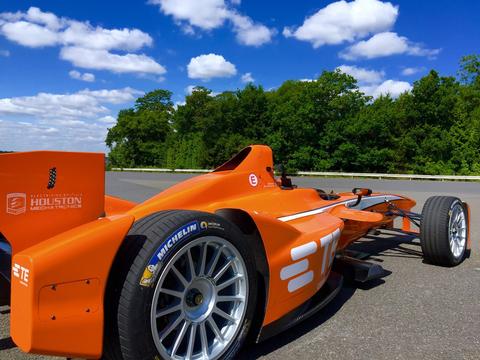
Formula E cars are entirely electric, powered by a battery and electric motors with no combustion engine at all. Formula 1 cars run a hybrid power unit combining a turbocharged internal combustion engine with electrical energy recovery systems, a genuinely different underlying technology even though both now involve significant electrification.
This single difference explains why the two championships are constrained by such different resources: Formula E races are limited by a fixed energy budget in the battery, while Formula 1 races are limited primarily by fuel allocation and tire life.
Street Circuits vs a Mixed Calendar
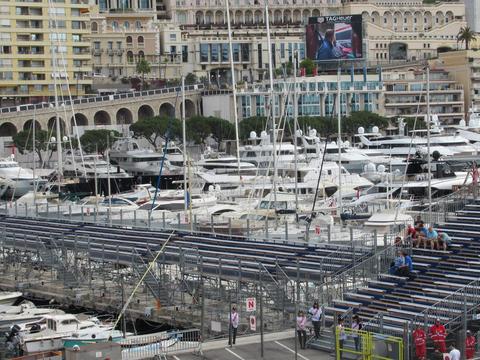
Formula E races almost exclusively on temporary street circuits in city centers, a deliberate choice tied to the championship's identity. Formula 1 mixes permanent purpose-built circuits with a smaller number of street circuits, and increasingly favors newer purpose-built venues designed for overtaking.
The result is that Formula E races are, on average, run on tighter, bumpier and more unforgiving track surfaces than the typical Formula 1 weekend, which shapes both car design and driving style.
Outright Speed
Formula 1 cars are considerably faster in absolute terms, generating far greater downforce and running more powerful, more sophisticated hybrid powertrains refined over a much longer development history. Formula E's Gen4 car narrows that gap somewhat, but a direct top-speed or lap-time comparison still favors F1 substantially on a shared circuit type.
Formula E's competitive interest lies less in outright pace and more in its distinctive strategic layer — energy management and Attack Mode — which produces a different kind of racing rather than attempting to out-perform F1 on raw speed.
What Each Race Is Actually About
An F1 race is shaped by tire degradation, fuel management and pit stop strategy across a fixed lap count. A Formula E race is shaped by a fixed energy budget for the whole race distance, mandatory Attack Mode activations, and the tactical use of regenerative braking to conserve that energy.
Both are genuinely strategic sports, but the specific resource each driver is managing — tires and fuel in F1, battery energy in Formula E — is different enough that direct experience in one does not automatically transfer strategic intuition to the other.
Manufacturer Involvement
Both championships have attracted major manufacturer involvement, though for somewhat different reasons. F1 manufacturers compete partly for prestige built over decades and partly for hybrid powertrain development relevance. Formula E has specifically attracted manufacturers seeking a visible platform to demonstrate electric vehicle technology and efficiency gains to a mainstream audience.
Some manufacturers have competed in both championships simultaneously, treating them as complementary rather than competing priorities, since the engineering and marketing goals of each are distinct.
Which Is Worth Watching?
Neither replaces the other, and most fans of one do not necessarily follow the other closely. F1 offers the deepest development-based competition and the largest global spectacle in single-seater racing. Formula E offers tighter, more unpredictable street racing shaped by genuinely different strategic pressures and a car generation still improving rapidly.
For a new fan curious about single-seater racing generally, watching both is a reasonable way to see how differently the same basic idea — an open-wheel car, one driver, a championship points system — can be built out in practice.
Frequently asked questions
Is Formula E slower than Formula 1?
Yes, in absolute terms. F1 cars generate far more downforce and run more powerful hybrid combustion powertrains, producing considerably faster lap times on a shared circuit type.
What is the main difference between Formula E and F1?
Formula E cars are fully electric with no combustion engine, while F1 cars use a hybrid power unit combining a turbocharged combustion engine with electrical energy recovery. That drives most of the other differences between the two.
Does Formula E race on the same tracks as F1?
Rarely. Formula E races almost exclusively on temporary street circuits in city centers, while F1 uses a mix of permanent purpose-built circuits and a smaller number of street circuits.
Do any manufacturers compete in both Formula E and F1?
Some have competed in both simultaneously, treating them as complementary rather than competing priorities, since each serves different engineering and marketing goals for a manufacturer.
Which is more unpredictable, Formula E or F1?
Formula E's fixed energy budget and mandatory Attack Mode create a distinct strategic layer that often produces close, unpredictable racing, while F1's development-based format tends to concentrate winning potential among fewer teams in a given season.
Is Formula E a real FIA world championship like F1?
Yes. Both Formula E and Formula 1 are FIA-sanctioned world championships for single-seater racing.
Will Formula E ever be as fast as F1?
Each new car generation has narrowed the performance gap, and Gen4 is the biggest single jump so far, but F1's decades of aerodynamic and hybrid powertrain development mean a like-for-like speed gap is likely to persist for some time.

Pippa has followed open-wheel racing for 12 years, from Formula 1's turbo-hybrid era to IndyCar's short ovals, and has watched competitive sim racing grow from a niche hobby into a genuine motorsport discipline in its own right. She covers circuit and open-wheel racing, touring cars and esports for CNMOTOS.
View all articles by Pippa Cook →