A Television Broadcasting Origin
Rallycross traces its origins to Britain in the late 1960s, born partly out of a practical broadcasting problem: a planned rally event was disrupted by weather, and organizers needed a format that could be reliably staged and filmed on a compact, controllable circuit rather than across an unpredictable point-to-point rally route.
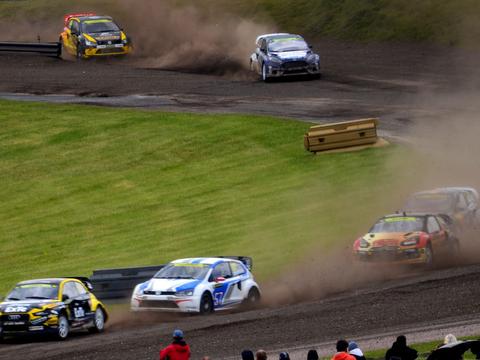
The solution — mixing tarmac and loose surface sections on a short, purpose-built circuit with multiple cars racing together rather than against the clock individually — proved to have real appeal in its own right, separate from the broadcasting convenience that originally created it.
Early Growth Across Europe
Following its British origins, rallycross spread across continental Europe through the 1970s and beyond, with national championships developing in multiple countries and a European-level championship eventually forming to bring the strongest competitors together.
Throughout this period, the cars used were closely related to contemporary rally machinery, reflecting the discipline's origins as an offshoot of rallying rather than a wholly separate branch of motorsport.
The FIA World Rallycross Championship
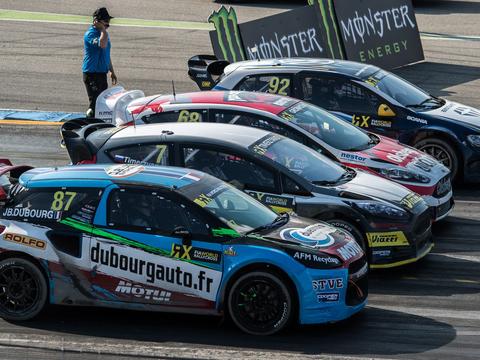
The FIA established a World Rallycross Championship, elevating the sport's top level to full world championship status and bringing greater manufacturer involvement, professional team structures and global broadcast reach than the earlier national and European championships had achieved individually.
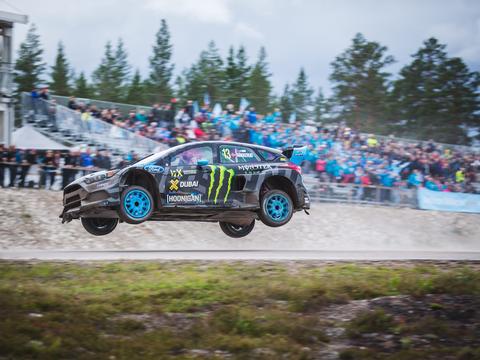
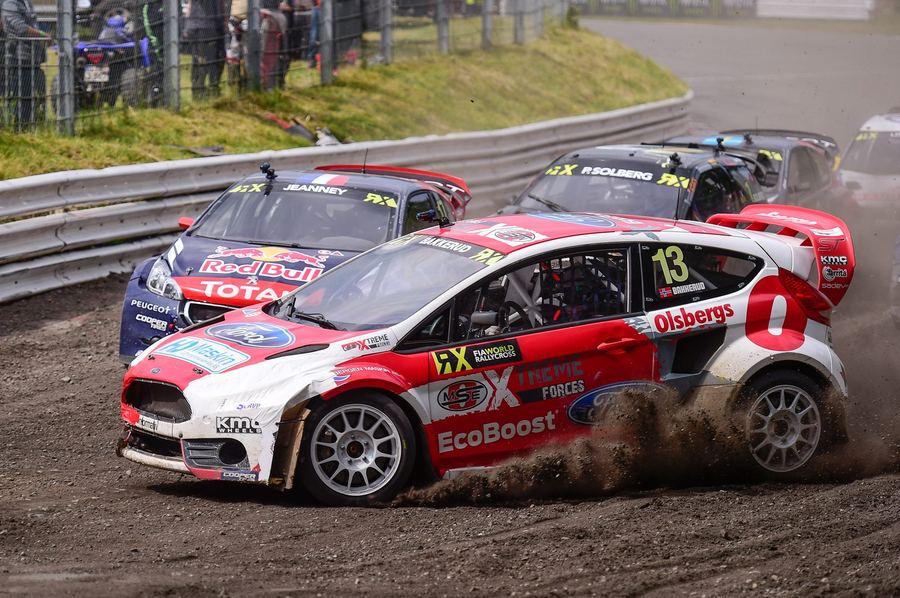
This period also saw rallycross cars diverge more clearly from rally cars in outright specification, with extremely powerful, purpose-built rallycross machinery emerging as its own distinct category of competition car.
The Move Toward Electric Rallycross
Rallycross has been among the more willing motorsport disciplines to experiment with electric competition machinery, exploring all-electric rallycross classes as part of a broader push across motorsport toward electrification.
The sport's short, spectator-friendly circuit format and standing-start races make it a genuinely suitable testbed for electric racing technology, since energy demands per race are more contained than in longer-format disciplines.
Nitro Rallycross and Format Variants
Beyond the FIA's world championship, other rallycross formats and series have developed, particularly in North America, adapting the core mixed-surface, multi-car racing concept with their own specific rules, car classes and event structures.
This variety reflects rallycross's underlying flexibility: the core idea of short, mixed-surface, multi-car racing with a mandatory equalizing detour has proven adaptable to different regional markets and technical philosophies.
Why the Format Has Endured
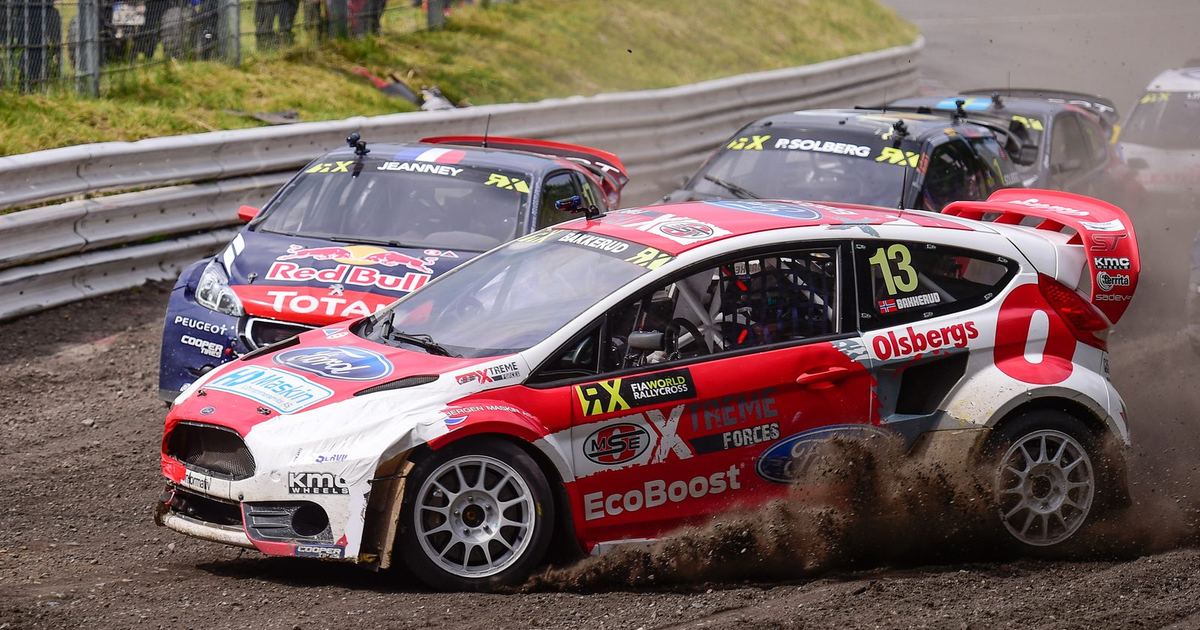
Rallycross's basic appeal — short, intense, easily broadcast races with constant multi-car contact and a genuinely unpredictable outcome — has proven durable across more than five decades since its accidental broadcasting-driven origin.
That same made-for-television compactness which originally created the sport remains one of its biggest advantages today, in an era where attention spans and broadcast formats increasingly favor shorter, more concentrated racing action over longer traditional formats.
Frequently asked questions
How did rallycross start?
In Britain in the late 1960s, partly as a response to a planned rally event being disrupted by weather. Organizers needed a format that could be reliably staged and broadcast on a compact circuit rather than an unpredictable point-to-point route.
Is rallycross related to rallying?
Yes, historically. Rallycross grew out of rallying as an offshoot, and early rallycross cars were closely related to contemporary rally machinery, though the two disciplines have diverged significantly since.
When did rallycross become a world championship?
The FIA established a World Rallycross Championship, elevating the sport's top level to full world championship status with greater manufacturer involvement and global reach than earlier national championships.
Does rallycross use electric cars?
The sport has explored all-electric rallycross classes as part of a broader motorsport push toward electrification, and its short, contained race format makes it a genuinely suitable testbed for that technology.
What is Nitro Rallycross?
A rallycross format and series that developed primarily in North America, adapting the core mixed-surface, multi-car racing concept with its own specific rules, car classes and event structure.
Why has rallycross remained popular for so long?
Its short, intense, easily broadcast races with constant multi-car contact and unpredictable outcomes have proven durable, and that same made-for-television compactness that created the sport remains a genuine advantage today.
How is rallycross different from the rally cars it came from?
Modern rallycross machinery has diverged significantly from rally cars in specification, becoming an extremely powerful, purpose-built category of its own rather than remaining a close relative of contemporary rally cars.

Maya grew up watching rally stages and motocross before following both sports closely as an adult, and covers the off-road side of motorsport for CNMOTOS — from World Rally Championship gravel stages to Supercross stadiums and grassroots karting.
View all articles by Maya Torres →