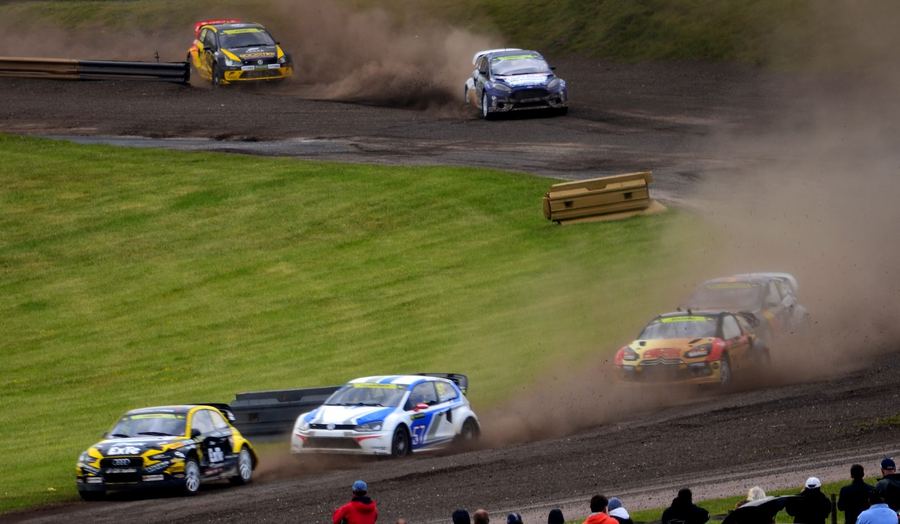
Multi-Car Racing vs Individual Time Trials
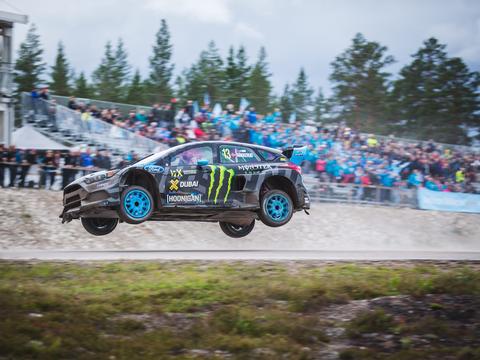
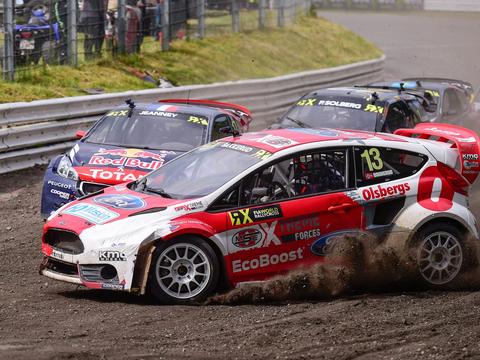
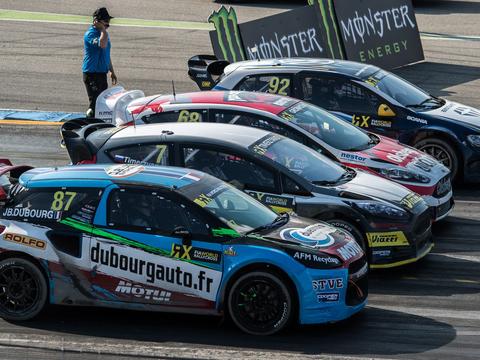
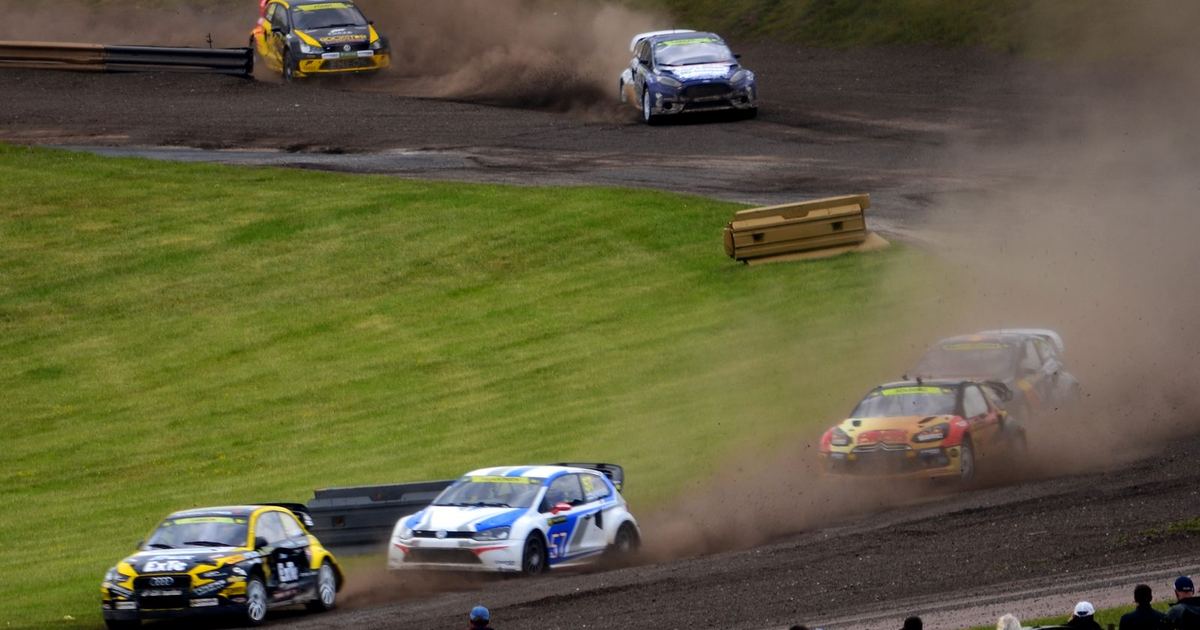
The single biggest difference is format. WRC crews compete individually against the clock on closed public roads, one car on the stage at a time, with the winner decided by lowest cumulative time across every stage. Rallycross puts five or six cars on a short circuit simultaneously, racing wheel to wheel with direct, immediate competition rather than a time-based comparison after the fact.
This changes the fundamental skill being tested. WRC rewards precision and consistency against a stopwatch with no direct opponent visible during a stage; rallycross rewards direct racecraft, overtaking and defending against cars you can see and react to in real time.
Race Length: Days vs Minutes
A WRC rally runs across an entire weekend, with multiple stages spread over several days and total competitive stage time typically running to hours. A rallycross race is a matter of minutes, often under two, repeated across several short heats and finals within a single event day.
That duration difference shapes preparation and mentality enormously — WRC demands sustained concentration and physical endurance across a long event, while rallycross demands maximum intensity in short, repeated bursts.
Surface Variety
WRC events specialize by surface — a gravel rally, a tarmac rally, a snow rally — with teams adjusting the whole car's setup for that specific event. Rallycross circuits mix tarmac and gravel within the same short lap, forcing a single car and setup to handle both surfaces simultaneously rather than specializing in one.
This makes rallycross arguably the more mechanically compromised discipline by design — no rallycross setup can be optimal for both surfaces at once, whereas a WRC car is tuned specifically for the surface it will race that weekend.
How the Cars Compare
Rallycross Supercars are extremely powerful relative to their size and weight, producing enormous power-to-weight ratios optimized for the explosive acceleration a short circuit demands. WRC's Rally1 cars are built more around sustained durability across long, punishing stages and pace-note-guided precision at high average speed over unfamiliar terrain.
Both share a rally-derived heritage and all-wheel-drive layouts, but the two have diverged enough in outright specification that a rallycross car would not be well suited to a multi-day rally stage, and vice versa.
The Co-Driver Question
WRC crews include a co-driver reading pace notes aloud to guide the driver through terrain they have never seen at racing speed. Rallycross drivers race alone, on a short, well-known circuit they can memorize completely, with no equivalent need for a co-driver's real-time guidance.
This absence of a co-driver is itself a good illustration of how differently the two disciplines are actually raced, despite sharing surface variety and all-wheel-drive machinery in common.
Which Is More Approachable for a New Fan?
Rallycross is generally the easier discipline for a new viewer to follow immediately — short races, visible multi-car action, and a clear winner at the end of a brief, intense event. WRC rewards patience and requires following a cumulative time gap across a whole weekend rather than a single visible race.
Neither is a substitute for the other. A fan drawn to direct, visible wheel-to-wheel racing will likely prefer rallycross; a fan drawn to sustained tension and the drama of unpredictable terrain across a full event will likely prefer WRC.
Frequently asked questions
Is rallycross the same as WRC?
No. Both share rally-derived roots, but WRC is an individual time-trial format on closed public roads across a multi-day event, while rallycross is direct multi-car wheel-to-wheel racing on a short circuit lasting minutes.
Do rallycross drivers use a co-driver?
No. Rallycross drivers race alone on a short, well-known circuit they can memorize completely, unlike WRC crews who rely on a co-driver reading pace notes for terrain they have never seen at speed.
Which is faster, a rallycross car or a WRC car?
Rallycross Supercars have extremely high power-to-weight ratios optimized for explosive short-circuit acceleration, while WRC Rally1 cars are built for sustained durability and high average speed across long, punishing stages. Direct comparison depends on context.
How long does a rallycross race last compared to a WRC rally?
A rallycross race is typically under two minutes; a WRC rally runs across an entire weekend with total competitive stage time often running to hours.
Does rallycross use the same surfaces as WRC?
Both use tarmac and gravel, but WRC events specialize by surface for an entire rally weekend, while a single rallycross circuit mixes both surfaces within the same short lap.
Which is easier to follow for a new fan, rallycross or WRC?
Rallycross is generally more immediately approachable, with short, visible multi-car races and a clear winner quickly. WRC rewards following a cumulative time gap across a full event weekend.
Are rallycross and WRC cars related?
They share a rally-derived heritage and all-wheel-drive layouts, but have diverged enough in specification that a rallycross car is not well suited to multi-day rally stages, and a WRC car is not built for short-circuit racing.

Maya grew up watching rally stages and motocross before following both sports closely as an adult, and covers the off-road side of motorsport for CNMOTOS — from World Rally Championship gravel stages to Supercross stadiums and grassroots karting.
View all articles by Maya Torres →