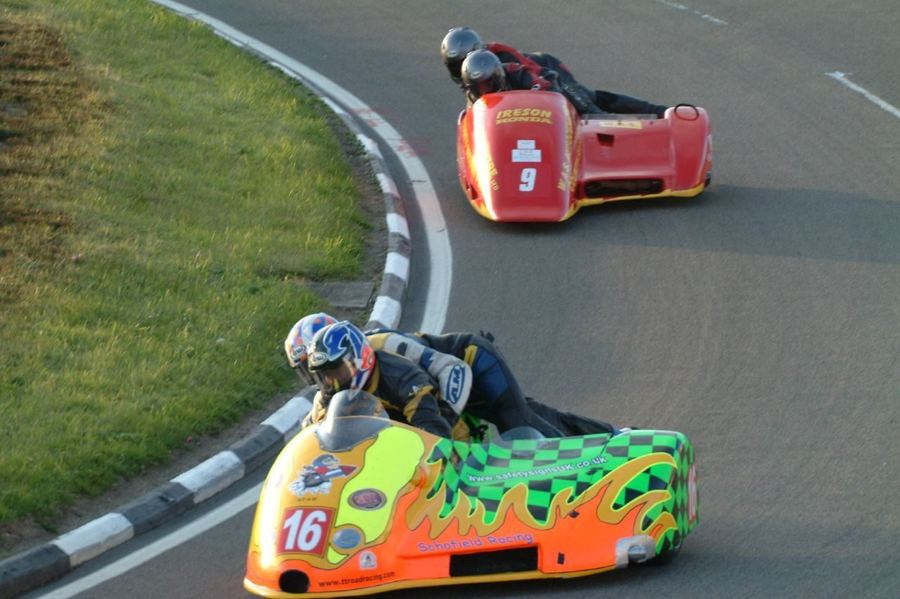
Origins Alongside Solo Motorcycle Racing
Sidecar racing developed early in motorcycle racing's history, growing directly out of the practical sidecar attachments used on road-going motorcycles for carrying a passenger, adapted for competitive racing use as the broader sport of motorcycle racing itself was taking shape.
In its earliest form, sidecar racing was closely associated with, and often run alongside, solo motorcycle racing events, rather than existing as a fully separate discipline with its own dedicated competitive structure.
The Passenger's Role Develops
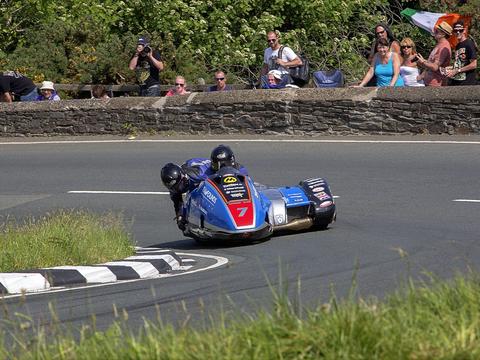
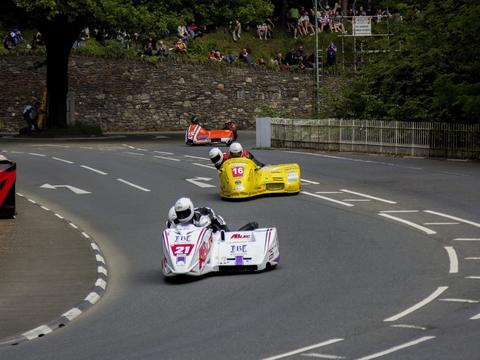
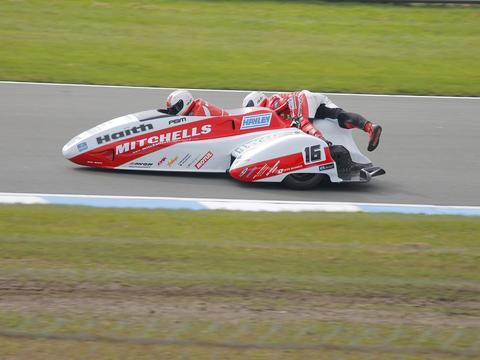
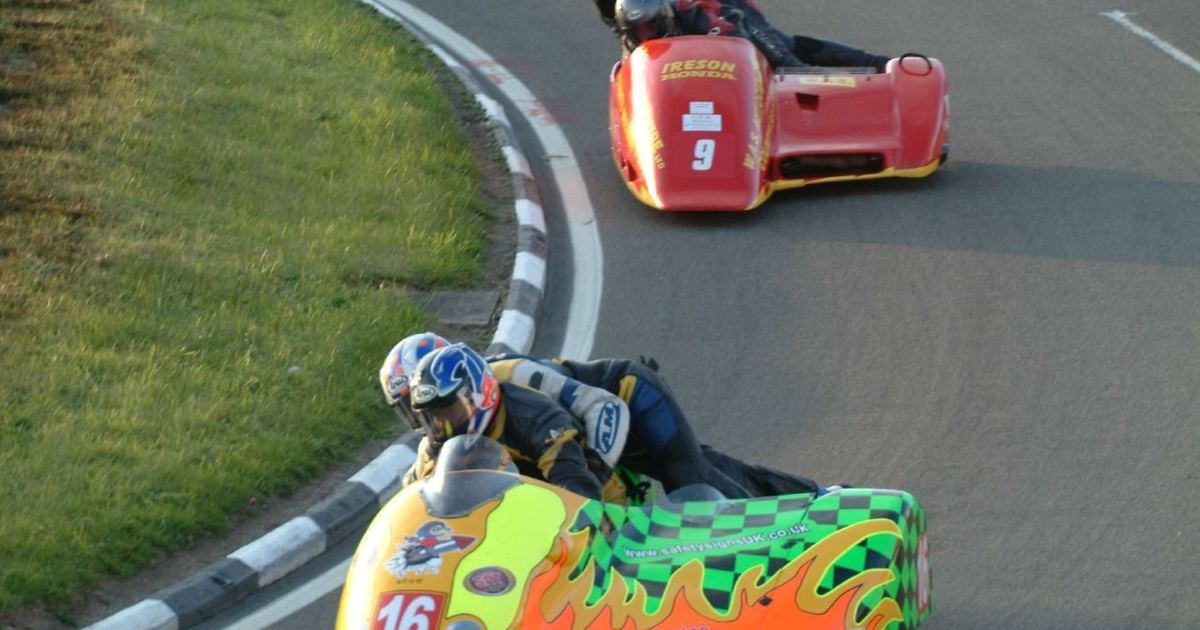
As competitive sidecar racing matured, the passenger's role evolved from a relatively passive position into the continuously active, physically demanding job it is today — leaning and shifting body weight constantly to help balance an outfit that cannot lean into corners the way a solo motorcycle does.
This evolution in technique is what transformed sidecar racing from a curiosity into a genuinely technical discipline requiring real skill and coordination from both crew members, rather than one person doing all the meaningful work.
Sidecarcross Emerges as Its Own Branch
Sidecarcross developed as an off-road branch of the sport, adapting sidecar racing to motocross-style circuits and terrain, distinct from the road-racing sidecar competition that continued in parallel on paved circuits.
This split into off-road and road-racing branches mirrors, in miniature, the broader motorcycle racing world's own division between disciplines suited to different terrain, giving sidecar racing genuine internal variety rather than a single fixed format.
Achieving World Championship Status
Both sidecarcross and road-racing sidecar competition eventually achieved formal FIM world championship status, giving each branch of the discipline a genuine top-level international competitive structure rather than remaining a patchwork of national events.
This formalization was significant for a discipline that, by its nature, has always attracted a smaller competitive field than solo motorcycle racing — a dedicated world championship structure gave sidecar racing legitimacy and a clear competitive pinnacle despite its inherently niche following.
An Enduring, Genuinely Niche Discipline
Sidecar racing has remained a smaller, more specialized part of motorcycle racing throughout its history, never achieving the mainstream following of solo motorcycle Grand Prix racing, but maintaining a dedicated, knowledgeable fan base that values exactly what makes it distinctive.
This enduring niche status is not a sign of decline but reflects the discipline's genuinely specialized nature — the two-person coordination and specific machinery it demands make it a fundamentally smaller-scale pursuit than solo motorcycle racing by design, not by accident.
Why This History Explains the Sport Today
Understanding that sidecar racing split early into off-road and road-racing branches, and that the passenger's role evolved considerably from its origins, explains much of what makes the modern discipline distinctive: two genuinely separate competitive formats, both demanding a level of driver-passenger coordination unlike almost any other motorsport.
That history also explains why sidecar racing's fan base, while smaller than mainstream motorcycle racing, tends to be unusually dedicated — appreciating a discipline that has always required something genuinely different from its competitors than solo motorcycle racing ever has.
Frequently asked questions
How old is sidecar racing?
It developed early in motorcycle racing's history, growing out of practical sidecar attachments used on road-going motorcycles, adapted for competitive use as motorcycle racing itself was taking shape.
Was sidecar racing always its own separate discipline?
No. In its earliest form it was closely associated with, and often run alongside, solo motorcycle racing events, before developing into a genuinely separate discipline over time.
How did the passenger's role in sidecar racing develop?
From a relatively passive position into the continuously active, physically demanding job it is today, involving constant weight-shifting to help balance an outfit that cannot lean into corners like a solo motorcycle.
When did sidecarcross split from road-racing sidecars?
As the sport matured, sidecarcross developed as a distinct off-road branch adapted to motocross-style circuits, running in parallel with road-racing sidecar competition on paved circuits.
Does sidecar racing have world championship status?
Yes, both sidecarcross and road-racing sidecar competition eventually achieved formal FIM world championship status as separate top-level international competitions.
Is sidecar racing a mainstream motorsport?
No, it has remained a smaller, more specialized discipline throughout its history, never achieving the mainstream following of solo motorcycle Grand Prix racing, though it maintains a dedicated fan base.
Why does sidecar racing have a smaller following than solo motorcycle racing?
Its genuinely specialized nature — the two-person coordination and specific machinery it demands — makes it a fundamentally smaller-scale pursuit by design rather than a sign of decline.

Jack has been a motorcycle racing enthusiast for as long as he can remember. For CNMOTOS, he covers everything from MotoGP and World Superbike to drag racing and the sport's more niche corners, like sidecar and three-wheel racing.
View all articles by Jack Korpela →