Two Distinct Disciplines Under One Name
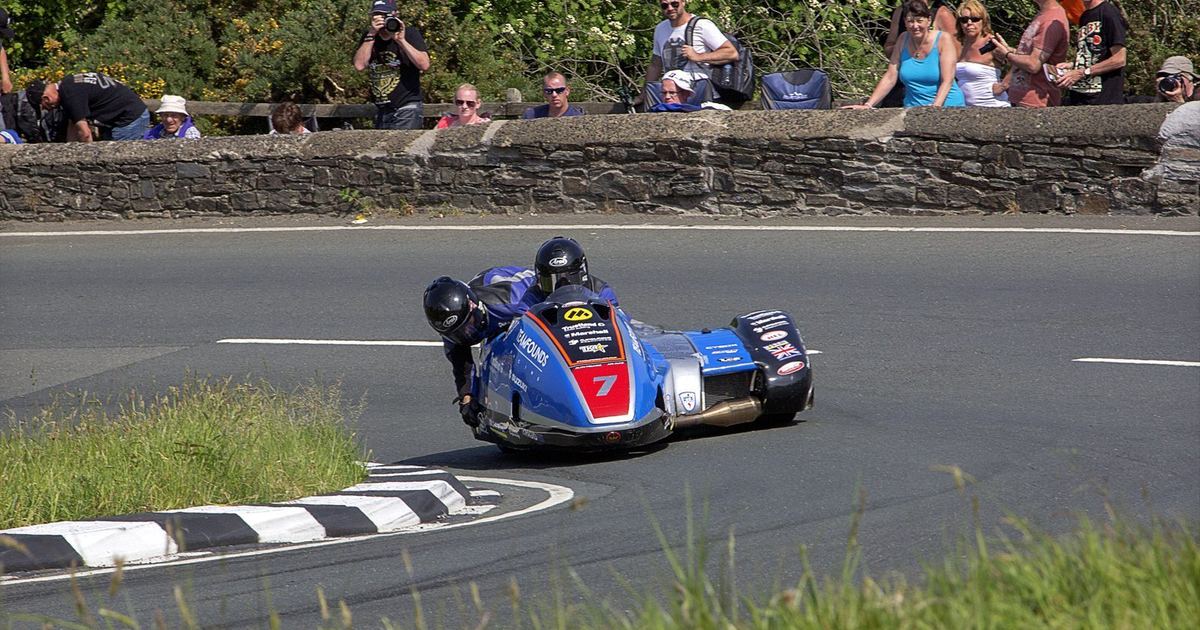
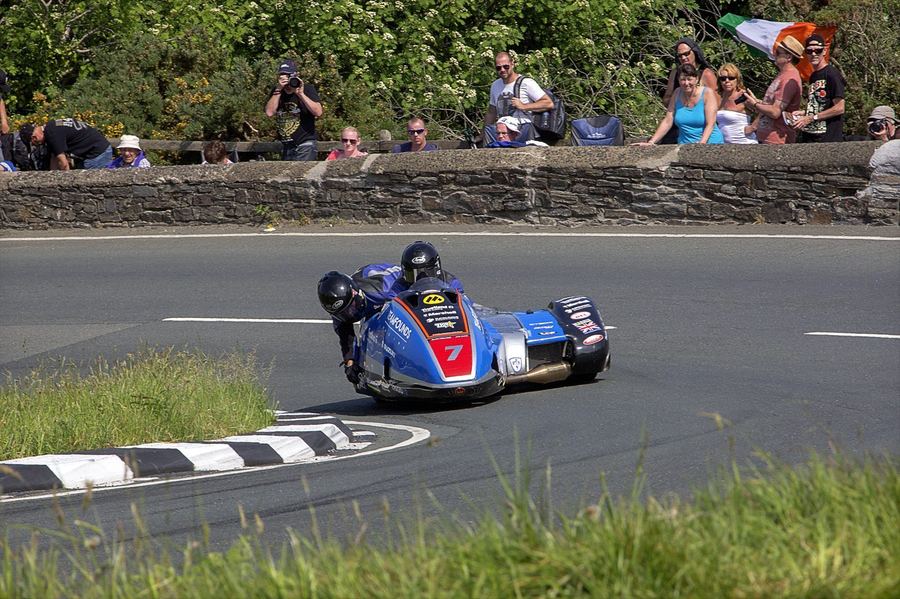
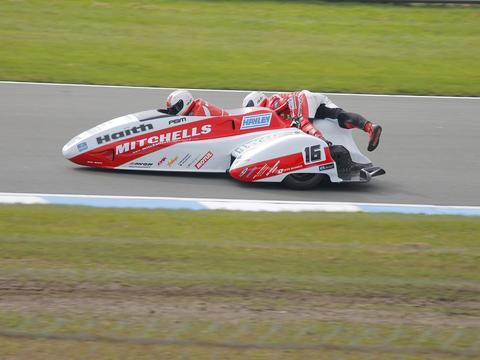
Sidecar racing is really two separate disciplines sharing a common vehicle concept: sidecarcross, run off-road on motocross-style circuits, and road-racing sidecars, run on paved circuits at very high speed. Each has its own scoring structure suited to its own format.
Understanding which discipline is being discussed matters enormously, since the race formats, typical event structure and even the machinery differ considerably between the two despite both technically being sidecar racing.
How Sidecarcross Is Scored
Sidecarcross events typically run multiple timed motos per round, similar in concept to solo motocross, with championship points awarded based on finishing position in each moto and accumulated across a season to determine an overall champion.
Both driver and passenger are credited as a single competing crew and score identically — the discipline has no separate scoring for the two roles, reflecting how thoroughly both are considered co-competitors rather than a driver with an assistant.
How Road-Racing Sidecar Events Are Scored
Road-racing sidecar events generally follow a more conventional circuit-racing points structure, awarding points based on finishing position in a race, accumulated across a season's championship, similar in principle to solo motorcycle road racing scoring systems.
As with sidecarcross, both driver and passenger are jointly credited for a road-racing result, since the passenger's continuous weight-shifting is understood to be as integral to the outfit's performance as the driver's inputs.
Why Both Crew Members Always Score Together
Unlike some two-person motorsport formats where drivers might be scored somewhat separately for individual contributions, sidecar racing treats the driver-passenger pairing as an inseparable single competitive unit for scoring purposes in both disciplines.
This reflects the genuine mechanical reality of sidecar racing: an outfit's performance depends so completely on both crew members working together that separating their individual contributions for scoring purposes would not meaningfully reflect how the sport is actually contested.
World Championship Structures
The FIM organizes world championships for both sidecarcross and, in various forms, road-racing sidecar competition, bringing formal international structure to disciplines that could otherwise remain fragmented across national series without a unifying top-level championship.
These world championships represent the pinnacle for each discipline separately, since a crew's sidecarcross results and a crew's road-racing results exist within entirely separate scoring and championship systems despite the shared vehicle concept.
Why These Scoring Details Matter to a Fan
Understanding that both disciplines score the crew jointly, rather than separately crediting driver and passenger, helps explain why sidecar racing coverage and results always refer to a named pairing rather than a single driver's name the way solo motorcycle or car racing typically does.
It also clarifies why a crew's success in one discipline, sidecarcross or road racing, does not directly translate into results in the other — they are genuinely separate competitive structures despite sharing the fundamental two-person sidecar concept.
Frequently asked questions
Are sidecarcross and road-racing sidecars scored the same way?
No, though both follow a similar underlying principle of points awarded for finishing position accumulated across a season. Sidecarcross uses a motocross-style multi-moto format, while road racing follows a more conventional circuit-racing points structure.
Does the passenger get separate points from the driver in sidecar racing?
No. Both driver and passenger are credited as a single competing crew and score identically in both sidecarcross and road-racing sidecar competition.
How many motos are in a sidecarcross round?
Sidecarcross typically runs multiple timed motos per round, similar in concept to solo motocross, with points awarded based on finishing position in each moto.
Is there a world championship for sidecar racing?
Yes, the FIM organizes world championships for both sidecarcross and, in various forms, road-racing sidecar competition, as separate top-level championships for each discipline.
Why are sidecarcross and road-racing sidecars considered different disciplines?
Despite sharing the two-person sidecar vehicle concept, they run on completely different terrain — sidecarcross off-road on motocross-style circuits, road racing on paved circuits at high speed — with different machinery and event formats.
Can a sidecar crew compete in both sidecarcross and road racing?
The two disciplines have genuinely separate scoring and championship structures, so success in one does not directly translate to results in the other, though nothing prevents a crew from competing in both if they choose.
Why is the passenger scored equally with the driver?
Because an outfit's performance depends completely on both crew members working together — the passenger's continuous weight-shifting is as integral to the result as the driver's steering and throttle inputs.

Jack has been a motorcycle racing enthusiast for as long as he can remember. For CNMOTOS, he covers everything from MotoGP and World Superbike to drag racing and the sport's more niche corners, like sidecar and three-wheel racing.
View all articles by Jack Korpela →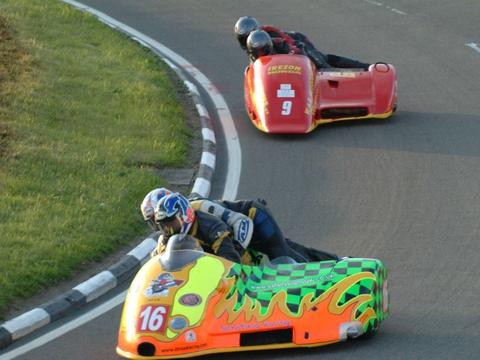

.jpg)