A Test of the Car, Not Just the Driver
Endurance racing was founded on a deliberately different premise from sprint circuit racing: rather than testing outright single-lap speed, it tests whether a car and its crew can sustain competitive pace reliably over many hours, often through the night and in changing conditions.
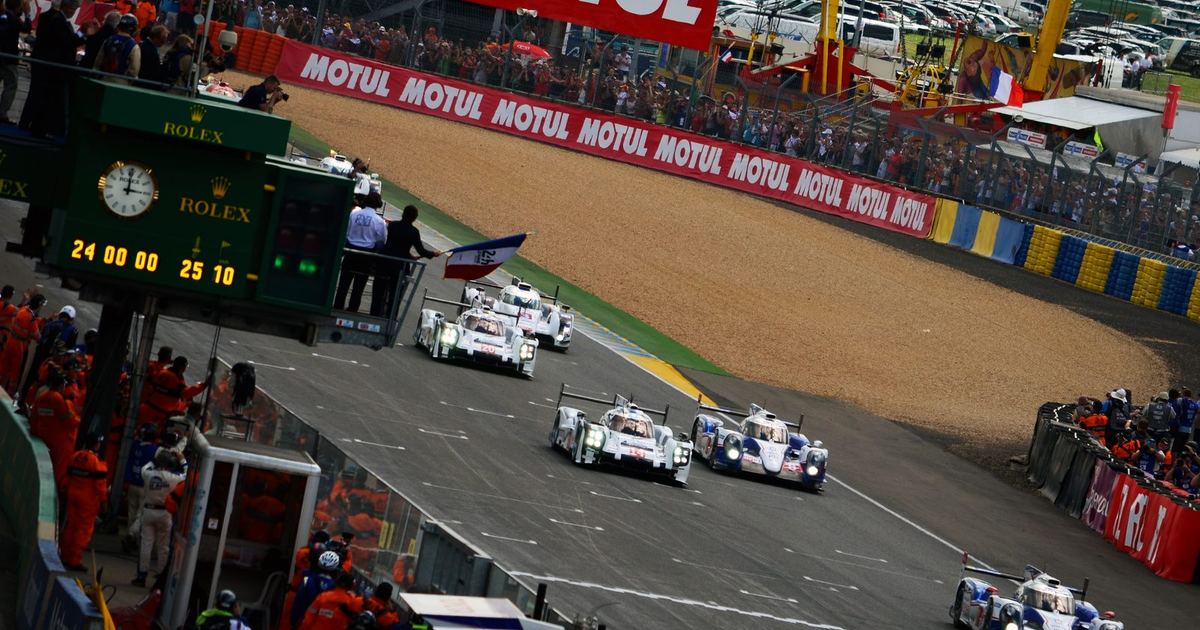
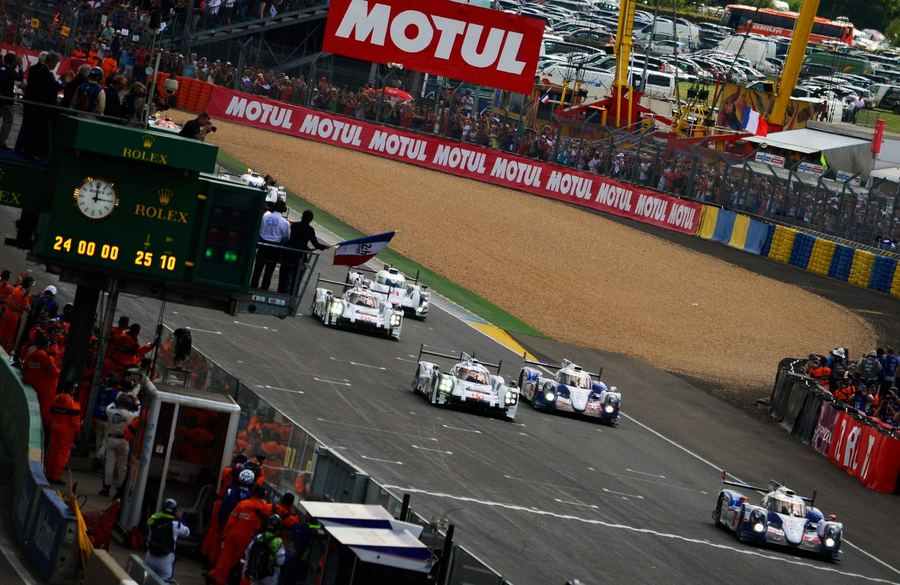
The 24 Hours of Le Mans, first held in 1923, became the format's defining event almost immediately, built specifically around demonstrating genuine automobile reliability and endurance rather than pure outright performance.
Why Manufacturers Cared Early
From its earliest years, Le Mans attracted serious manufacturer interest precisely because surviving and winning a 24-hour race said something meaningful about a car's real-world durability, in an era when road car reliability was a genuine, marketable concern for ordinary buyers.
This manufacturer relevance has remained central to endurance racing's identity across a full century, distinguishing it from prototype categories where the marketing connection to a road car is more abstract.
The full timeline, year by year
Put the whole century together and it runs from a 1923 reliability test to 2026's newest balancing rule, in six clear steps.
Endurance Racing's History, Year by Year
From a 1923 test of reliability to 2026's newest performance-balancing rule, in six verified steps. Press play, or click any point.
A Century of Evolving Technical Classes
Endurance racing's technical classes have changed repeatedly across its history, reflecting shifting eras of automotive technology, safety standards and competitive philosophy — from early production-based touring entries through purpose-built prototypes to today's Hypercar and LMGT3 categories.
Multi-class racing itself, where genuinely different categories of car share the same track simultaneously, has been a consistent feature throughout most of this history, adding the additional skill of navigating traffic between class categories to what endurance racing demands of drivers. See our Balance of Performance explainer, including an interactive simulator, for how the WEC keeps today's Hypercar class fair between its two technical paths.
The Formation of the World Endurance Championship
The modern FIA World Endurance Championship formalized top-level international endurance racing into an official world championship structure in 2012, co-organized with the ACO, bringing formal international organization to a discipline that had, for much of its history, revolved primarily around the standalone prestige of the Le Mans race itself.
This formalization gave endurance racing a genuine championship narrative across a full season, alongside — rather than replacing — Le Mans's continued status as the sport's single most important individual race.
IMSA's Parallel American History
In North America, IMSA developed its own separate sports car racing history and championship structure, running its own class system alongside, rather than identical to, the WEC's structure — as of 2026, IMSA runs four classes including GTP and LMP2, while the WEC itself dropped LMP2 after 2024.
Cooperation between IMSA and the WEC around shared prototype technical concepts has grown since the 2023 LMDh/Hypercar convergence, though the two championships remain genuinely separate organizations with their own distinct class structures and calendars.
Why This History Still Shapes the Sport Today
Understanding endurance racing's century-long emphasis on reliability, manufacturer relevance and multi-class racing explains why the discipline still values a car's ability to survive a full 24-hour race as much as its outright single-lap pace, unlike sprint-format motorsport.
It also explains why Le Mans itself retains a prestige within endurance racing that exceeds its championship points value — a single race's continuous hundred-year history carries weight that a modern championship points table alone cannot fully capture. See our endurance racing vs Formula 1 comparison for how differently that history shapes race-day strategy.
Frequently asked questions
When was the first 24 Hours of Le Mans held?
In 1923, and it became endurance racing's defining event almost immediately, built around demonstrating genuine automobile reliability rather than pure outright performance.
Why do manufacturers value endurance racing?
Because surviving and winning a 24-hour race says something meaningful about a car's real-world durability, giving endurance racing results direct marketing relevance since the sport's earliest years.
When did the World Endurance Championship form?
In 2012, co-organized by the FIA and the ACO, replacing the short-lived Intercontinental Le Mans Cup and adding a season-long narrative alongside Le Mans's own standalone prestige.
Is IMSA the same as the WEC?
No, they are separate organizations with their own distinct class structures. As of 2026, IMSA runs four classes including GTP and LMP2, while the WEC dropped LMP2 after 2024 and now runs just Hypercar and LMGT3.
Has endurance racing always used multi-class racing?
Yes, largely — genuinely different categories of car sharing the same track simultaneously has been a consistent feature throughout most of the sport's history.
Why does Le Mans still matter so much within a modern championship?
Its continuous, roughly century-long individual history carries a prestige within endurance racing that exceeds its championship points value alone, distinct from any other single round on the calendar.
Have endurance racing's technical classes changed a lot over time?
Yes, repeatedly, reflecting shifting eras of automotive technology and safety standards — from early production-based touring entries through purpose-built prototypes to today's Hypercar and LMGT3 categories.
When did Hypercar regulations replace LMP1?
In 2021, with Toyota's GR010 HYBRID winning every race that season en route to a fourth consecutive Le Mans victory.
When did WEC and IMSA's prototype rules converge?
2023, when Le Mans Hypercar and IMSA's LMDh regulations converged into one shared technical framework, letting cars compete in both the Le Mans 24 Hours and the Rolex 24 at Daytona.
When did LMP2 leave the WEC?
After the 2024 season, the same year LMGT3 replaced LMGTE as the championship's GT class — narrowing the WEC to its current two-class structure.
What did Toyota's GR010 HYBRID achieve in Hypercar's debut season?
It won every race in the 2021 season, including a fourth consecutive 24 Hours of Le Mans victory, and secured the manufacturers' championship for a third straight year.
Does the success handicap apply to the WEC's GT class too?
Yes — it was used mainly in the GT class before being extended up into Hypercar for 2026, so LMGT3 already had experience with the mechanism before the top class adopted it.
Sources

Priya covers endurance racing, NASCAR and drifting for CNMOTOS, drawn to disciplines that reward either sustained consistency over 24 hours or outright commitment in a single tandem battle.
View all articles by Priya Shah →