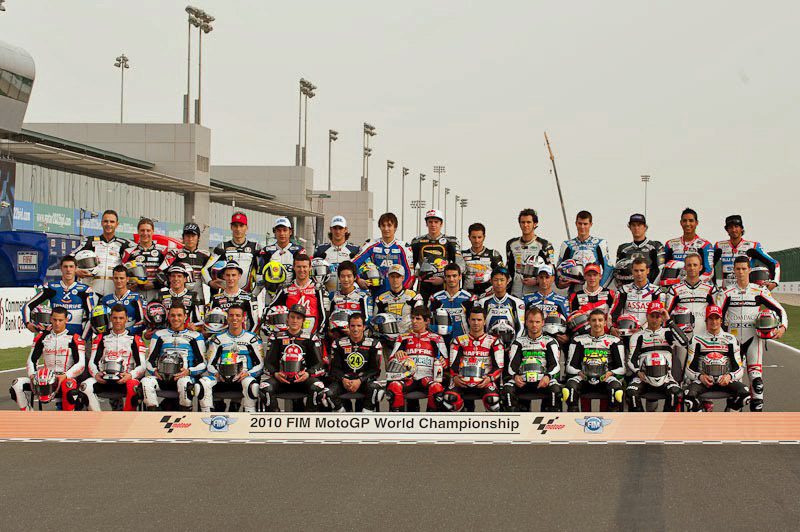
Same weekend, two completely different machines
Moto2 and Moto3 both run as support races on a Grand Prix weekend alongside MotoGP, but they're built to completely different technical rules. Moto3 is the entry-level class: a 250cc single-cylinder four-stroke engine in a lightweight, minimal machine. Moto2 sits one rung higher, built around a single spec three-cylinder engine shared by every team on the grid, deliberately positioned as the last technical step before MotoGP itself.
The engines: single-cylinder simplicity vs a spec three-cylinder
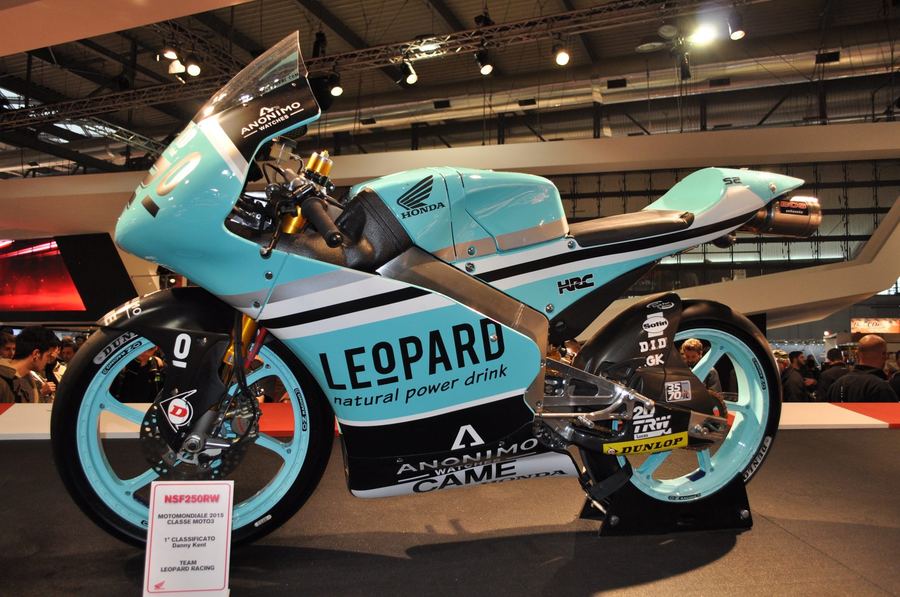
A Moto3 bike uses a 250cc single-cylinder four-stroke engine producing roughly 55-60 horsepower, built down to a minimum weight of just 65kg with fuel — light enough that a rider's body weight makes a genuinely significant difference to performance. Moto2 uses a spec 765cc Triumph three-cylinder engine, the same unit fitted to every team on the grid since 2019, tuned to around 130PS (roughly 128 horsepower) at 12,250rpm. Because the engine is identical for every competitor, Moto2 races are decided by chassis setup and rider skill rather than which manufacturer built the fastest engine that season.
Weight, handling and why Moto3 racing looks so frantic
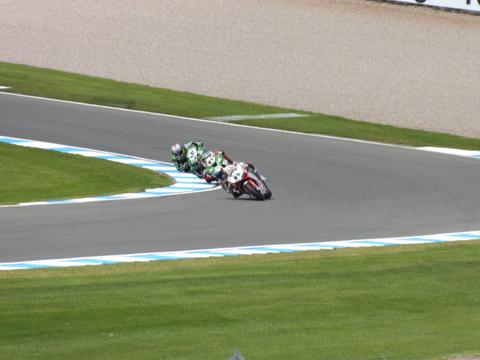
Moto3's combination of low weight and modest power output is exactly why its races look so different to watch: with less of a power gap between the front of the grid and the back, Moto3 packs routinely run five or six riders across in a single braking zone, producing some of the closest, most unpredictable racing anywhere in motorcycle Grand Prix competition. Moto2's extra weight and power make it a noticeably faster, more physically demanding class to ride, closer in feel to the MotoGP machine a rider is aiming to reach next.
Where each class sits on the road to MotoGP
Moto3 is where most Grand Prix careers start, typically for riders in their late teens, while Moto2 is the final proving ground before a MotoGP seat — a graduated three-step ladder that mirrors how car racing uses F3, F2 and F1 to build a driver up to the top level in stages. Nearly every current MotoGP rider came through both classes in that order, using Moto3 to learn racecraft in a forgiving, low-power environment before Moto2 adds the weight, power and physical demands closer to what MotoGP itself requires.
For the complete picture of how MotoGP itself works, see our MotoGP Explained guide.
Frequently asked questions
What's the main difference between Moto2 and Moto3?
Moto3 uses a 250cc single-cylinder four-stroke engine producing around 55-60 horsepower in a bike weighing just 65kg with fuel. Moto2 uses a spec 765cc three-cylinder engine, identical across every team, producing around 130PS.
Why does Moto2 use the same engine for every team?
Moto2 has run a single spec engine — a Triumph 765cc three-cylinder — since 2019, specifically so races are decided by chassis setup and rider skill rather than which manufacturer built the fastest engine.
Why does Moto3 racing look so much closer than Moto2 or MotoGP?
Moto3's lower power and lighter weight shrink the performance gap between the fastest and slowest bikes on the grid, which is why Moto3 packs often run five or six riders across in the same braking zone.
Do riders go through Moto3 before Moto2?
Yes — nearly every current MotoGP rider came up through Moto3 first, then Moto2, using each class to add speed, weight and physical demands in stages before reaching MotoGP itself.

Pippa has followed open-wheel racing for 12 years, from Formula 1's turbo-hybrid era to IndyCar's short ovals, and has watched competitive sim racing grow from a niche hobby into a genuine motorsport discipline in its own right. She covers circuit and open-wheel racing, touring cars and esports for CNMOTOS.
View all articles by Pippa Cook →