Same crew format, different worlds
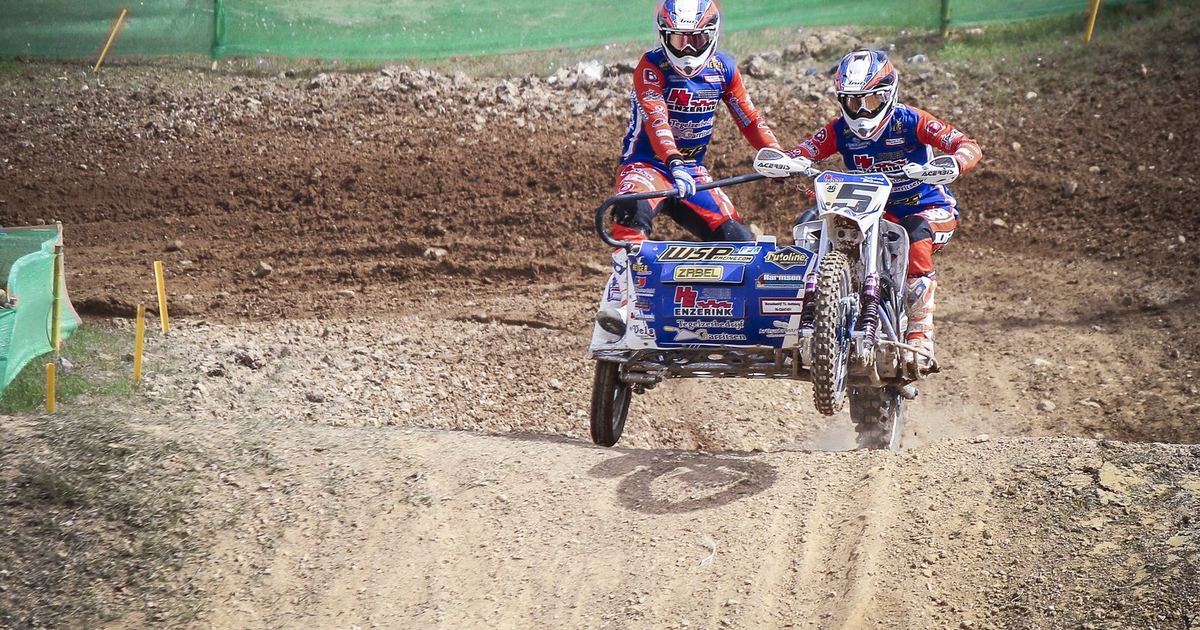
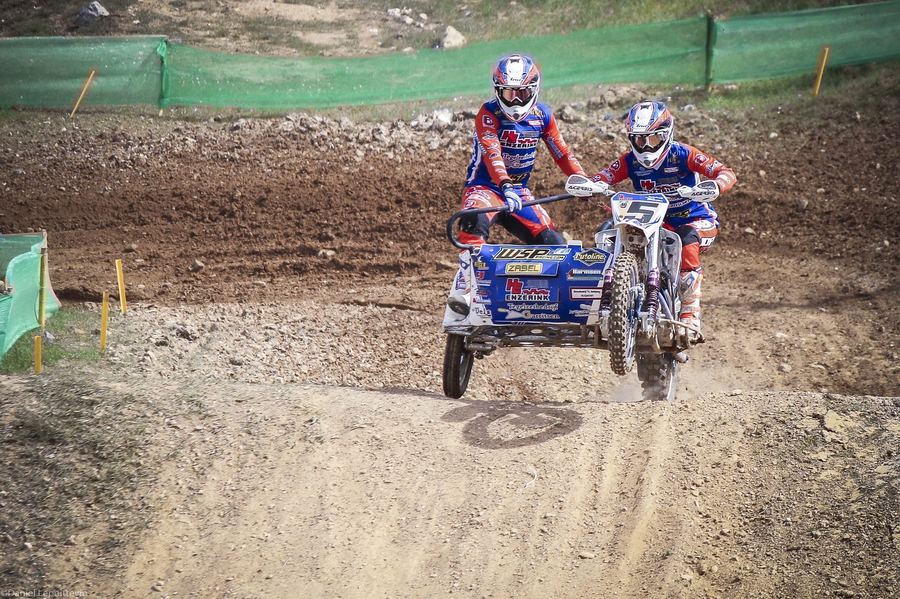
Sidecarcross and road-racing sidecars share the one thing that makes sidecar racing distinct from every other motorsport on this site: a two-person crew, driver and passenger, working one machine together. Past that, they're built for completely different surfaces and completely different physical demands — sidecarcross races on dirt motocross-style circuits, while road-racing sidecars (the kind seen at the Isle of Man TT) race on the same tarmac roads solo motorcycle road racing uses.
The machines are genuinely different
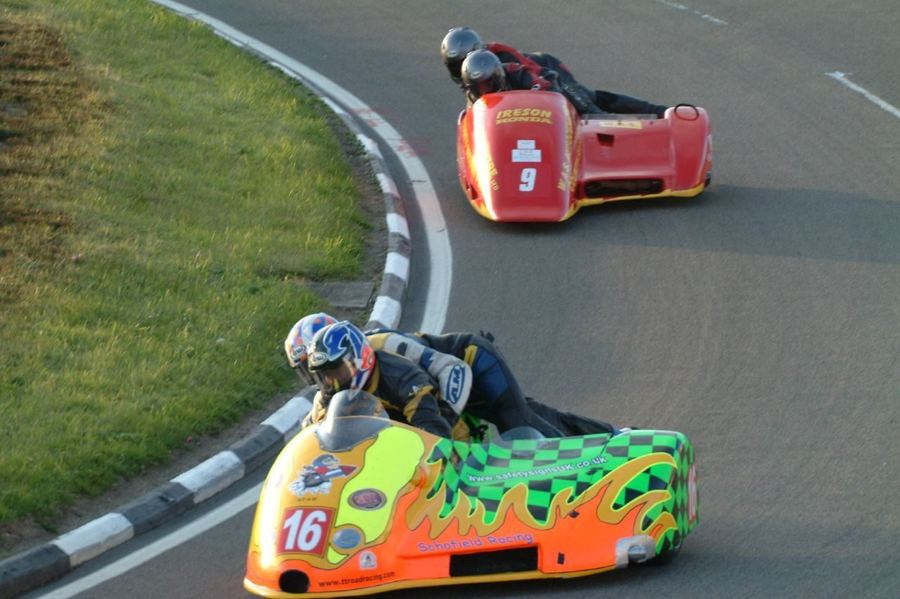
A sidecarcross outfit is built low and short for off-road agility, with long-travel suspension to absorb jumps and rough terrain much like a motocross bike, but widened into a three-wheeled platform. A road-racing sidecar is a completely different shape: a low, enclosed, streamlined outfit built for sustained high speed on tarmac, with none of the suspension travel a dirt circuit demands and considerably more attention paid to aerodynamics.
What the passenger actually does — and how differently
In both disciplines the passenger's real job is managing weight distribution in real time, but the physical motion looks almost nothing alike. A sidecarcross passenger moves constantly and dramatically — climbing across the platform, hanging off the side or draping over the front — to keep the outfit's wheels planted over jumps and through braking bumps on changing terrain. A road-racing sidecar passenger's movements are smaller and more precise, shifting weight to help the outfit carry speed through a fixed, known corner rather than reacting to unpredictable terrain.
Which one is more dangerous
Both carry real risk, but for different reasons: sidecarcross's danger comes from unpredictable terrain and traffic in a pack on jumps, while road-racing sidecars carry the same fundamental risks as solo road racing — high sustained speed on public roads with fixed obstacles — shared by a two-person crew instead of one. Neither is meaningfully "safer" than the other; they're dangerous in different ways that match their different environments. For the fuller picture of how the sport works, see our complete sidecar and three-wheel racing guide.
Frequently asked questions
What's the difference between sidecarcross and road-racing sidecars?
Sidecarcross races off-road on dirt motocross-style circuits with a short, suspension-heavy outfit. Road-racing sidecars — like those at the Isle of Man TT — race on tarmac with a low, enclosed, streamlined machine built for sustained speed.
Does the passenger do the same job in both disciplines?
The underlying job — managing weight distribution — is the same, but the motion is very different. Sidecarcross passengers move dramatically to keep wheels planted over jumps and bumps; road-racing passengers make smaller, more precise shifts through fixed corners.
Is sidecarcross or road-racing sidecar racing more dangerous?
Both carry serious risk for different reasons — sidecarcross from unpredictable terrain and pack racing, road-racing sidecars from high sustained speed on public roads with fixed obstacles. Neither is meaningfully safer than the other.
Are sidecarcross and road-racing sidecar machines interchangeable?
No — they're built for completely different purposes. A sidecarcross outfit has long-travel suspension for off-road jumps; a road-racing sidecar is low, enclosed and aerodynamic for sustained tarmac speed.

Pippa has followed open-wheel racing for 12 years, from Formula 1's turbo-hybrid era to IndyCar's short ovals, and has watched competitive sim racing grow from a niche hobby into a genuine motorsport discipline in its own right. She covers circuit and open-wheel racing, touring cars and esports for CNMOTOS.
View all articles by Pippa Cook →

.jpeg)
