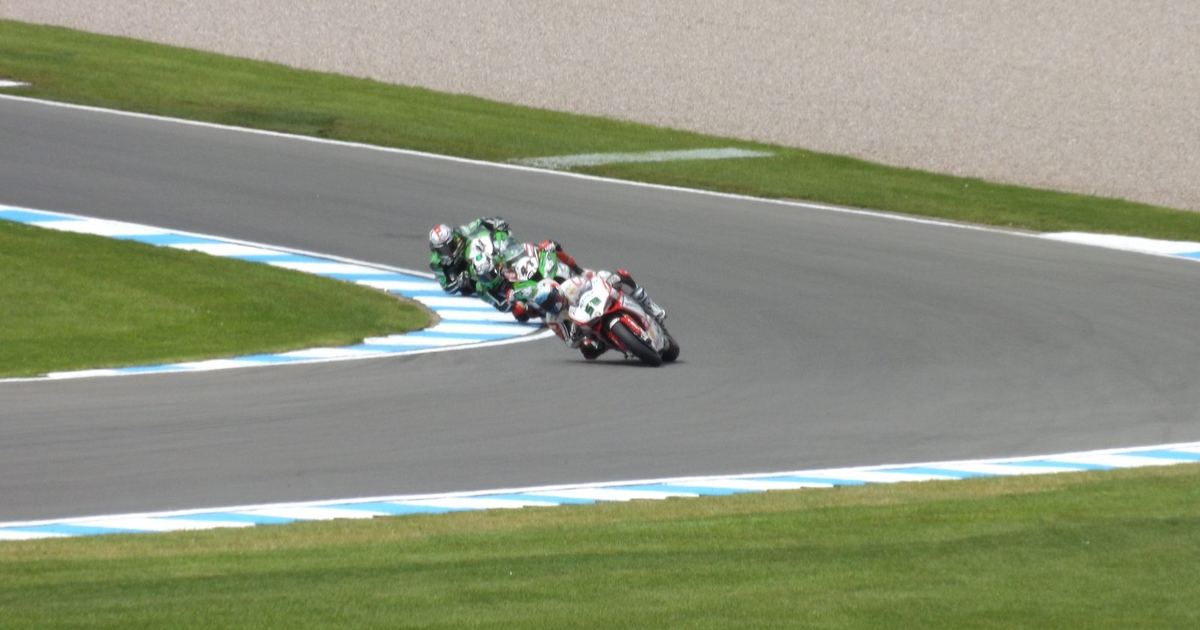
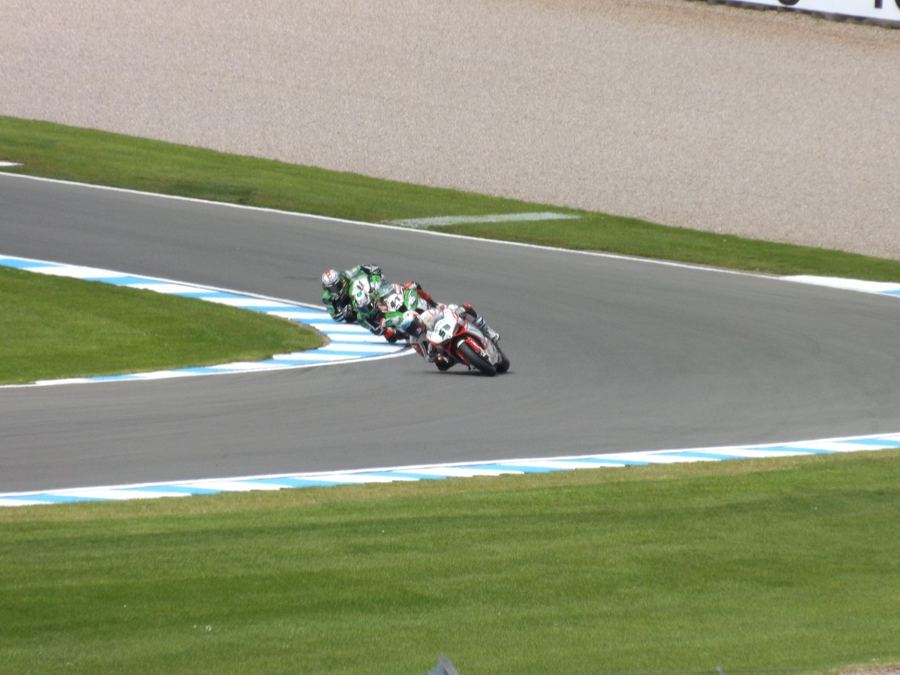
The headline gap: roughly 230hp vs a genuinely smaller machine
WorldSBK, the top class, is built around production-derived 1000cc four-cylinder machines (or larger twin-cylinder bikes under the championship's balancing rules), tuned to produce roughly 230 horsepower at a minimum weight of 168kg. WorldSSP, the Supersport class one level below, uses meaningfully smaller-capacity middleweight machines — the traditional FIM Supersport formula allows 600cc four-cylinder engines alongside larger-displacement twins and triples, balanced against each other so no single engine configuration dominates. The result is a genuine, feelable gap in outright pace between the two classes, not just a badge on the fairing.
Why Supersport still matters
WorldSSP exists as the realistic step before WorldSBK for both riders and teams, built around machinery that's closer to what a manufacturer actually sells to the public and considerably cheaper to run competitively than a full WorldSBK effort. That affordability is exactly why Supersport has long served as the championship's proving ground — a rider builds a reputation there before a factory-backed WorldSBK seat becomes realistic, much like a lower class does in other motorsport ladders on this site.
A new rung underneath both, for 2026
For 2026, the FIM added a third tier beneath WorldSBK and WorldSSP: the new World Sportbike (WorldSPB) class, replacing the old WorldSSP300 category as the championship's entry point. WorldSPB is built around naturally aspirated, production-based machines across a wider range of displacements — from smaller machines like the Kove 450RR up to bigger-capacity bikes such as the Yamaha YZF-R7 or Kawasaki ZX-6R 636 — all balanced to a common target of roughly 90 horsepower regardless of which platform a team chooses. That change turns the World Superbike pyramid into a genuine three-step ladder — WorldSPB, then WorldSSP, then WorldSBK — mirroring how other championships on this site use a graduated class structure to develop riders and drivers in stages.
How to tell them apart while watching
The clearest tell watching a race weekend is simply the gap between the fastest and slowest bikes on track: WorldSBK's grid runs closer to MotoGP pace on the same circuits, while WorldSSP and the new WorldSPB class both look noticeably more settled and less explosive out of corners. Engine sound is the other giveaway — WorldSBK's four-cylinder machines and larger twins have a distinctly different note under full power than the smaller-capacity Supersport and Sportbike grids. For the fuller picture of how the championship's technical rules keep racing close across manufacturers, see our WSBK homologation rules explainer, or start with our complete World Superbike guide.
Frequently asked questions
What's the difference between WorldSBK and WorldSSP?
WorldSBK is the top tier, built around 1000cc production-derived machines making roughly 230 horsepower. WorldSSP, one level below, uses smaller-capacity middleweight machines under the FIM's balanced Supersport formula, producing meaningfully less power.
Why does World Supersport still matter if WorldSBK is faster?
WorldSSP machinery is closer to what a manufacturer actually sells and considerably cheaper to run competitively, making it the realistic proving ground before a factory-backed WorldSBK seat becomes possible.
What is the new World Sportbike (WorldSPB) class?
A new entry-level class introduced for 2026, replacing WorldSSP300. It balances a range of production-based machines — from smaller bikes like the Kove 450RR to larger ones like the Yamaha YZF-R7 — to a common target of roughly 90 horsepower, sitting below both WorldSSP and WorldSBK.
How can you tell WorldSBK and WorldSSP apart while watching?
The clearest tell is the pace gap out of corners — WorldSBK runs closer to MotoGP speed, while WorldSSP and the new WorldSPB class look noticeably more settled. The engine note under full power is also distinctly different between the classes.
Pippa has followed open-wheel racing for 12 years, from Formula 1's turbo-hybrid era to IndyCar's short ovals, and has watched competitive sim racing grow from a niche hobby into a genuine motorsport discipline in its own right. She covers circuit and open-wheel racing, touring cars and esports for CNMOTOS.
View all articles by Pippa Cook →
_World_Superbikes,_Donington_Park_2014_-_panoramio.jpg)