Attack Mode
A mandatory, temporary power boost that a driver arms by driving through a marked Activation Zone off the racing line, accepting a time cost now in exchange for extra power later.
Read our full explainer on Attack Mode for exactly how much power it adds and how the strategic timing works.
Regenerative Braking (Regen)
The process of using the car's electric motors as generators under braking, recovering energy that would otherwise be lost as heat through conventional friction brakes, and feeding it back into the battery.
Formula E relies on regen far more heavily than road-going electric vehicles typically do, and on some car generations the rear axle uses almost no friction braking at all, depending entirely on the motors to slow the car.
Energy Management
The practice of pacing a car's power usage across a race to ensure the battery's fixed energy allocation lasts the full distance, rather than running out before the finish.
It is the central strategic skill in Formula E, roughly equivalent to fuel and tire management in combustion-engine racing, but governed by a single resource — energy — rather than several separate ones.
Gen1, Gen2, Gen3, Gen4
The shorthand names for each successive Formula E car generation, each bringing a major technical step forward — from the original Spark-Renault Gen1 car through to Gen4, which introduces permanent all-wheel drive and a substantial power increase.
Read our full history of Formula E's car generations for what changed at each step.
ePrix
Formula E's term for an individual race weekend, equivalent to a Grand Prix in Formula 1 terminology, and typically named for its host city — for example, the Monaco ePrix or the São Paulo ePrix.
Multiple ePrix events can occur at the same venue across a season in some cases, distinguished by round number rather than a unique city name.
Spec Chassis and Battery
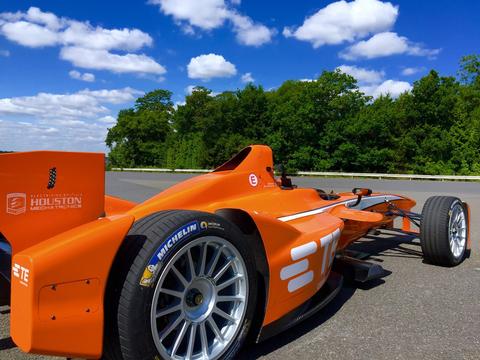
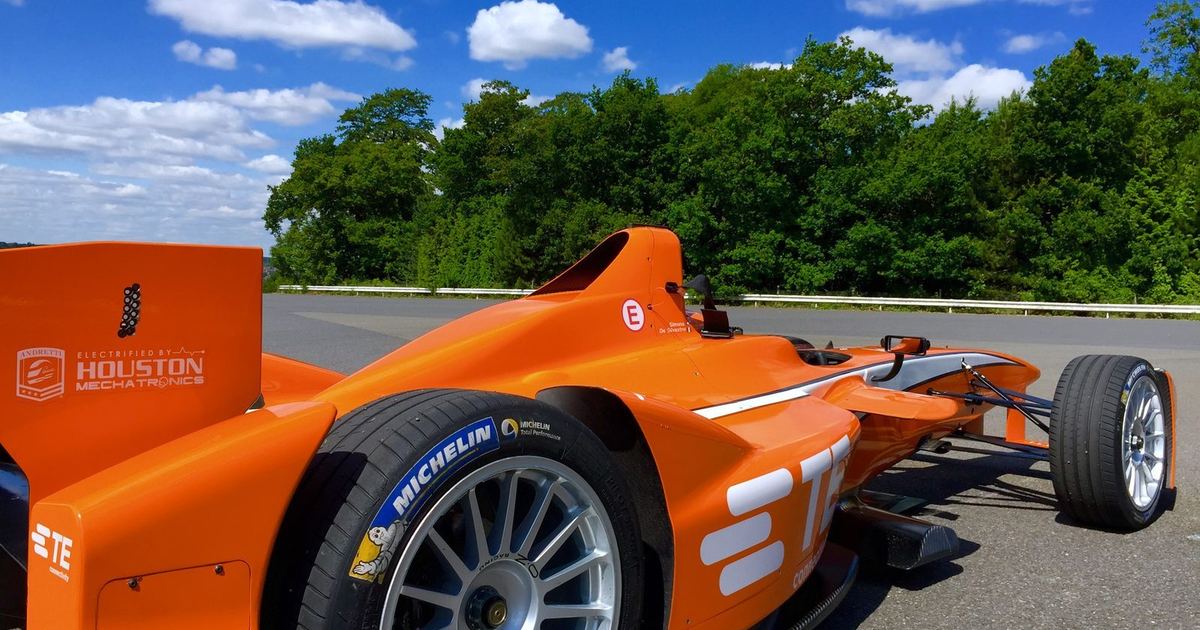
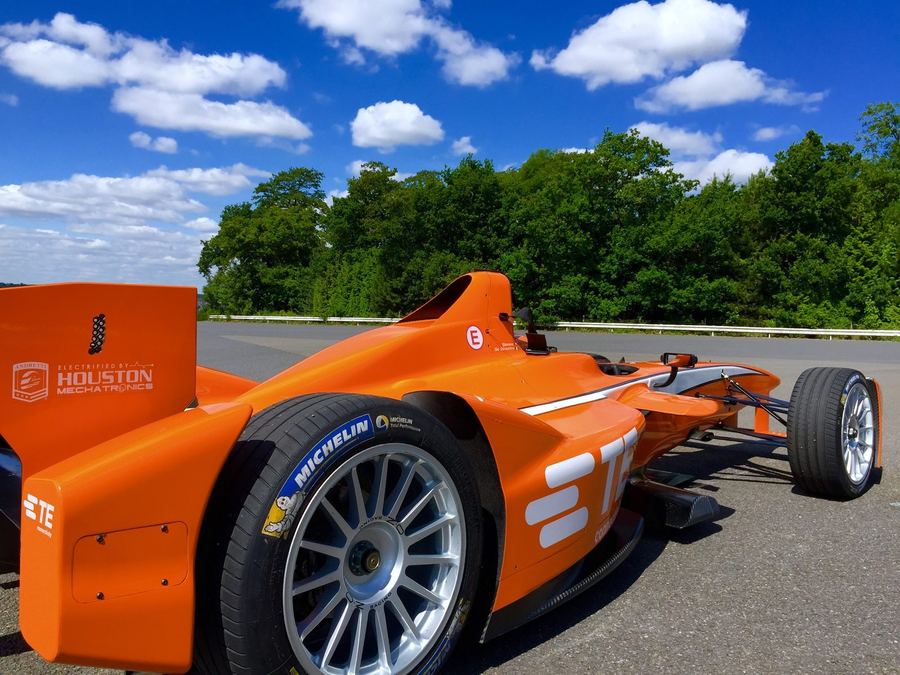
Every Formula E team competes using an identical chassis and battery specified by the championship, with competitive differences instead coming from motor, inverter and software efficiency, along with driver skill and strategy.
This keeps the field tightly matched on raw machinery, similar in principle to IndyCar's spec-chassis approach, though applied to an electric powertrain rather than a combustion one.
Frequently asked questions
What is regen in Formula E?
Regenerative braking — using the car's electric motors as generators under braking to recover energy back into the battery, rather than losing it entirely to friction brakes.
What does energy management mean in Formula E?
Pacing a car's power usage across a race so the battery's fixed energy allocation lasts the full distance, the central strategic skill in the championship.
What is an ePrix?
Formula E's term for an individual race weekend, equivalent to a Grand Prix in Formula 1, typically named for its host city.
What is the difference between Formula E's car generations?
Each generation — Gen1 through Gen4 — brought a major technical step forward, from the original shared Spark-Renault car through to Gen4's permanent all-wheel drive and substantial power increase.
Do Formula E cars use friction brakes?
Some do at the front, but on later car generations the rear axle relies heavily or almost entirely on regenerative braking rather than conventional friction brakes.
What is a spec chassis?
A car design specified by the championship and used identically by every team, meaning competitive differences come from software, motor efficiency, strategy and driving rather than unique car design.
Is Attack Mode the same every season?
The core mechanic — a power boost activated by leaving the racing line — has stayed consistent, though the exact power figures and number of activations have changed as car generations have changed.

Pippa has followed open-wheel racing for 12 years, from Formula 1's turbo-hybrid era to IndyCar's short ovals, and has watched competitive sim racing grow from a niche hobby into a genuine motorsport discipline in its own right. She covers circuit and open-wheel racing, touring cars and esports for CNMOTOS.
View all articles by Pippa Cook →