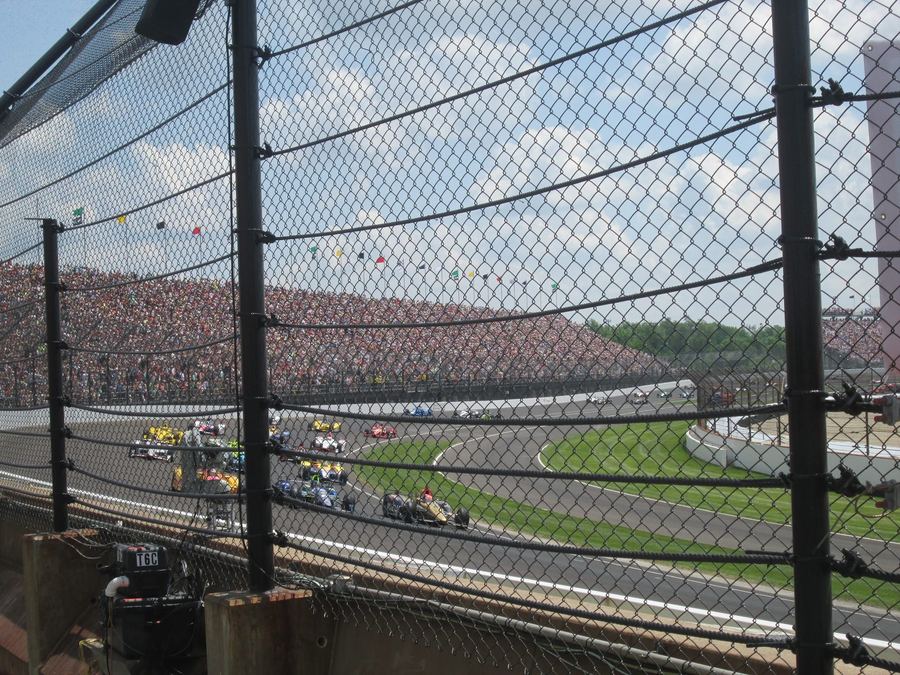
The Indianapolis 500's Early Origins
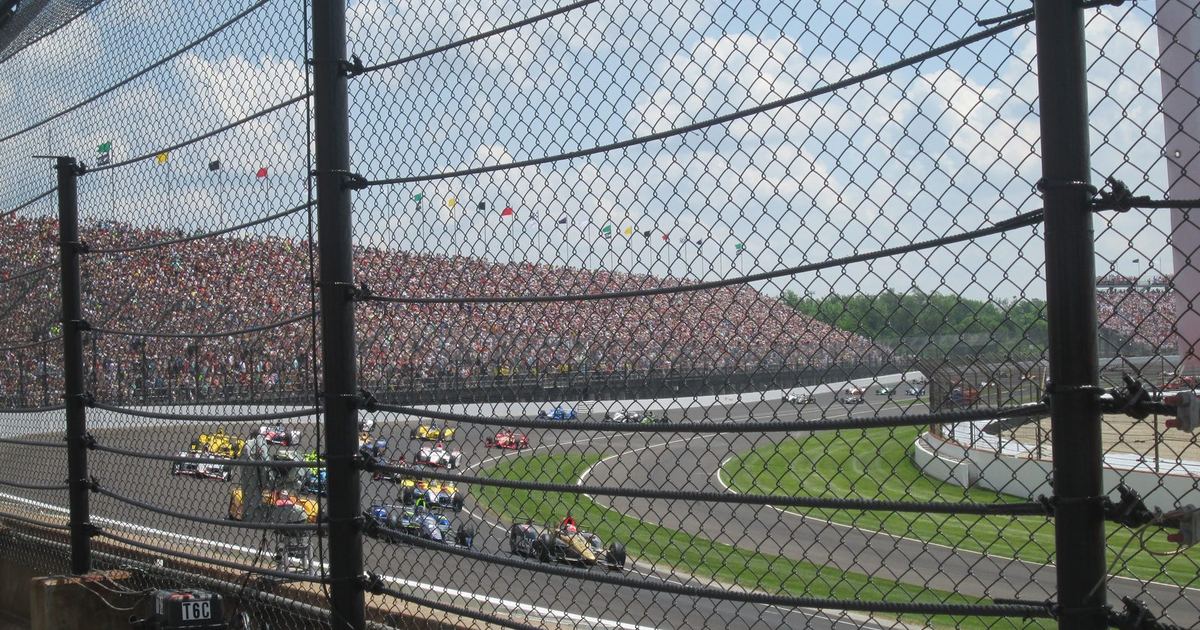
The Indianapolis Motor Speedway opened in 1909 and hosted its first 500-mile race in 1911. For decades, the Indy 500 effectively was American open-wheel racing's centerpiece, with a wider national championship built loosely around it and a handful of other oval events.
That structure held, with various sanctioning changes, through most of the twentieth century, as American open-wheel racing developed its own distinct identity: dedicated oval-racing machinery, a strong regional following, and the Indy 500 itself growing into one of the most prestigious single races in the world.
CART and the Rise of a Modern Championship
Championship Auto Racing Teams, known as CART, was formed in 1979 by team owners who wanted greater control over the sport's direction. Through the 1980s and into the 1990s, CART built a strong, well-funded championship that increasingly added road and street circuits alongside ovals, and attracted a growing number of drivers from Europe and South America.
CART's expansion into road racing was, in part, exactly what caused tension within the sport: some stakeholders felt the series was drifting away from its oval-racing, American-driver roots even as it grew commercially stronger.
The 1996 Split
In 1996, Indianapolis Motor Speedway's leadership launched a rival championship, the Indy Racing League, intended to refocus American open-wheel racing on oval tracks and create clearer opportunities for young American drivers. Crucially, the IRL took the Indianapolis 500 with it.
The result was two competing top-level American open-wheel championships running in parallel for over a decade — CART, later rebranded Champ Car World Series, and the IRL's IndyCar Series. Both were damaged by the split: fan confusion, divided sponsorship and media attention, and a fractured talent pool all took a toll on the sport's overall standing.
Champ Car's Collapse and the 2008 Reunification
CART itself went bankrupt at the end of the 2003 season; a group of team owners bought its assets and continued racing as Champ Car World Series. But Champ Car struggled financially through the mid-2000s and filed for bankruptcy again before the 2008 season.
In February 2008, Champ Car's assets, historical records and several of its event dates were merged into the IRL's IndyCar Series, ending the twelve-year split and reuniting American open-wheel racing under a single championship for the first time since 1995.
The Reunified Modern Era
Since 2008, IndyCar has operated as a single top-level championship again, gradually rebuilding the mix of ovals, road courses and street circuits that had once been split between the two rival series. The spec-chassis, dual-engine-supplier formula that defines the modern series took shape over the following seasons.
The split remains a cautionary story often cited across motorsport whenever a sanctioning dispute threatens to fracture a series — a reminder of how much commercial and competitive ground can be lost even when both resulting championships are, individually, well run.
Why This History Still Matters to Fans Today
Understanding the CART/IRL split explains a lot about IndyCar's present shape: why the calendar deliberately mixes ovals, road courses and street circuits rather than specializing in one, and why the Indianapolis 500 still carries a weight within the championship that goes beyond its points value.
It also explains some of the sport's institutional caution. Governance decisions in modern IndyCar are frequently made with an eye toward avoiding anything that could fracture the fan base or team commitment the way the 1996 split did.
Frequently asked questions
When did IndyCar split into two championships?
In 1996, when Indianapolis Motor Speedway's leadership launched the Indy Racing League as a rival to the existing CART championship, taking the Indianapolis 500 with it.
Why did CART and the IRL split happen?
The IRL was created to refocus American open-wheel racing on oval tracks and American drivers, at a time when CART was increasingly adding road and street circuits and international drivers to its championship.
When did IndyCar reunite?
In February 2008, when the bankrupt Champ Car World Series (CART's successor) merged its assets and event dates into the IRL's IndyCar Series, ending a twelve-year split.
What was Champ Car?
The rebranded continuation of CART after CART itself went bankrupt at the end of 2003. A group of team owners bought CART's assets and raced on as Champ Car World Series until its own 2008 bankruptcy and merger with the IRL.
How old is the Indianapolis 500?
The Indianapolis Motor Speedway opened in 1909 and held its first 500-mile race in 1911, making the Indy 500 one of the oldest continuously run motor races in the world.
Did the CART/IRL split damage the sport?
Yes, significantly. Running two competing top-level championships in parallel divided fans, sponsors, media attention and driver talent for over a decade, and IndyCar is generally considered to have lost overall standing during that period compared with before the split.
Is IndyCar one championship today?
Yes. Since the 2008 reunification, IndyCar has operated as a single top-level American open-wheel championship, combining ovals, road courses and street circuits on one calendar.
Sources

Pippa has followed open-wheel racing for 12 years, from Formula 1's turbo-hybrid era to IndyCar's short ovals, and has watched competitive sim racing grow from a niche hobby into a genuine motorsport discipline in its own right. She covers circuit and open-wheel racing, touring cars and esports for CNMOTOS.
View all articles by Pippa Cook →