Start With the Indianapolis 500
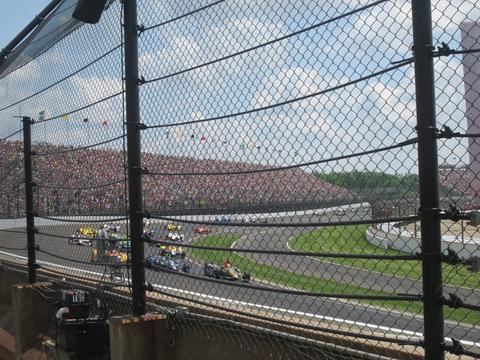
If you only watch one IndyCar race, make it the Indianapolis 500. It carries a scale and tradition unmatched anywhere else on the calendar, with its own multi-day qualifying format, a month-long build-up of practice and ceremony, and a genuinely different atmosphere from every other round of the season.
It is also, usefully, one of the most approachable races for a newcomer to watch: 200 laps of a single oval, straightforward to follow, with a broadcast that spends considerable time explaining strategy and history for exactly the audience tuning in mainly for that one event.
Understand the Three Circuit Types
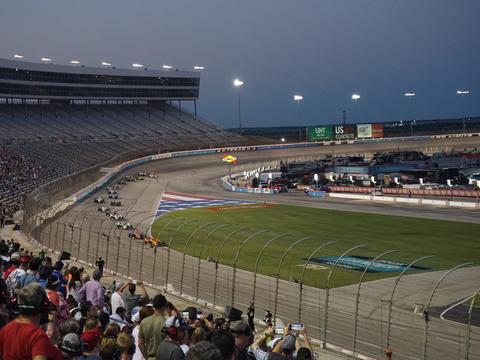
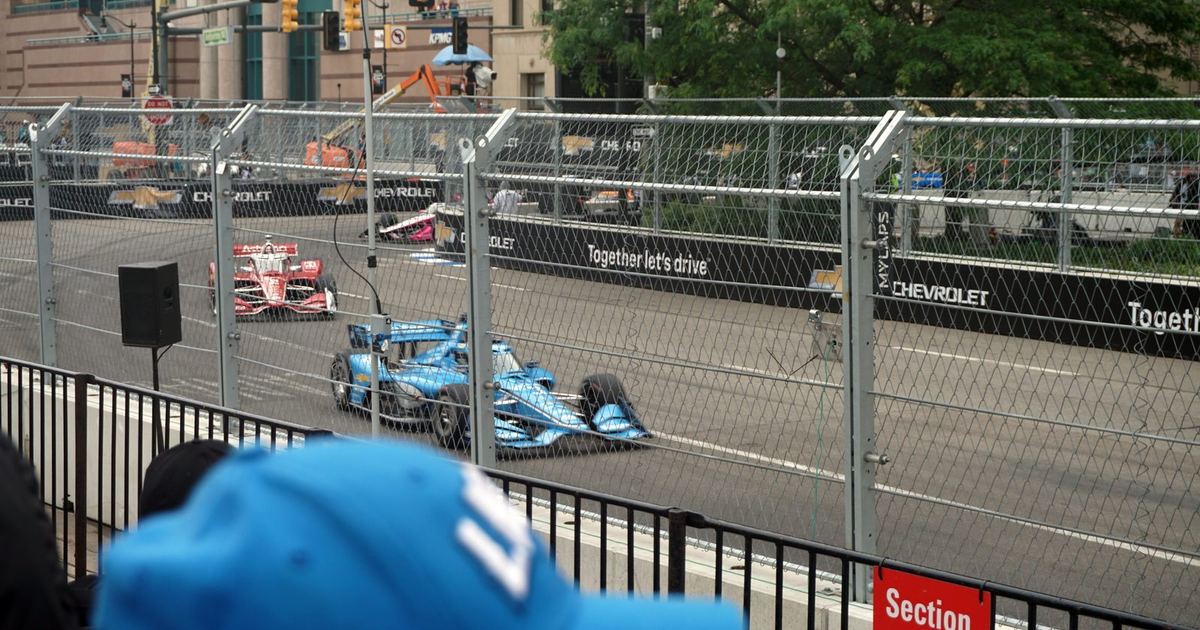
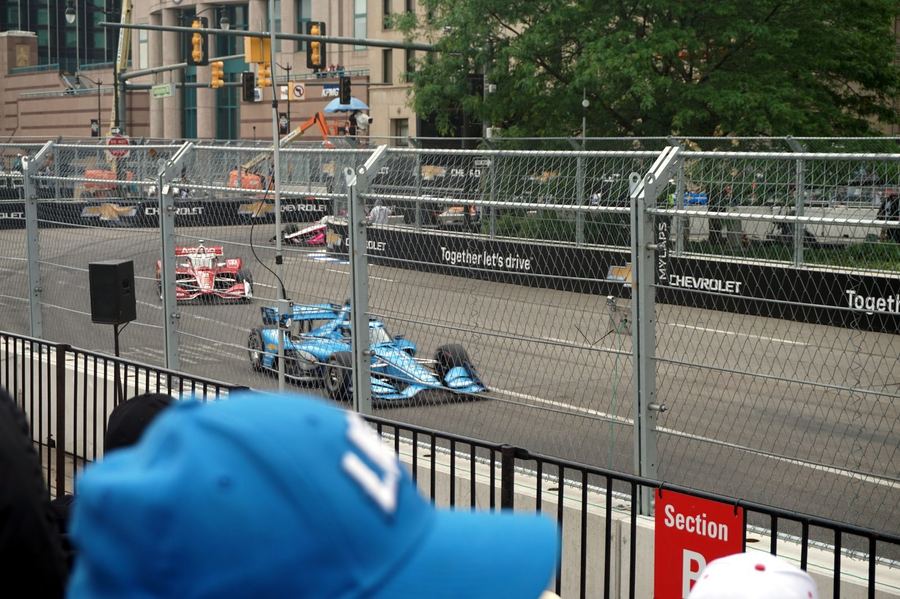
A single IndyCar season includes superspeedways, short ovals, permanent road courses and temporary street circuits, and each rewards a genuinely different driving style and race strategy. Recognizing which type you are watching changes what to look for: oval races often turn on drafting and late-race restarts, while road and street races turn more on pit strategy, push-to-pass management and tire wear.
This variety is one of IndyCar's most distinctive features compared with other single-seater championships, and it rewards drivers who are strong across all four disciplines rather than specialists in just one.
Learn the Field, Not Just the Big Names
IndyCar's spec chassis keeps the field tightly matched, which means winners come from a wider range of teams than in many other championships. Rather than following only one or two headline drivers, it is worth getting familiar with several front-running teams, since any of them can realistically win on a given weekend.
Qualifying is genuinely worth watching in its own right — margins are frequently measured in hundredths of a second, and grid position matters enormously on tighter street and road circuits where overtaking is harder than on ovals.
How and Where to Watch
IndyCar broadcasts vary by region, and coverage has moved between networks in past seasons, so check current listings for your country rather than assuming a fixed home. Most races are also streamed, and IndyCar's official channels typically carry qualifying sessions and support races alongside the main event.
Practice sessions, while less essential than qualifying and the race itself, are worth checking occasionally, since they often reveal which teams and drivers are genuinely quick that weekend before it shows up in the results.
What to Track Once You Are Following Regularly
Once past the first few races, following the championship standings, remaining push-to-pass allocations during a race, and each team's oval-versus-road-course strengths will make race weekends considerably more informative to watch.
Pay attention to pit strategy in particular. IndyCar races are frequently decided by the timing of a pit stop relative to a caution period, and understanding why a team pitted early or gambled on staying out longer is often the key to understanding how a race was actually won.
Frequently asked questions
What is the best IndyCar race for a beginner to watch first?
The Indianapolis 500. It has the most tradition and scale on the calendar, a straightforward single-oval format, and broadcasts that spend significant time explaining strategy and history for newcomers.
How many races are in an IndyCar season?
Around seventeen, spanning superspeedways, short ovals, permanent road courses and temporary street circuits between spring and late summer.
Do I need to know all the drivers to enjoy IndyCar?
No, but it helps to follow several front-running teams rather than just one or two names, since IndyCar's spec chassis keeps the field tightly matched and winners come from a wide range of teams.
Why does circuit type matter when watching IndyCar?
Oval races are often decided by drafting and late-race restarts, while road and street races turn more on pit strategy and tire management — recognizing which type you are watching changes what to look for.
Where can I watch IndyCar races?
Broadcast rights vary by country and have changed between networks in past seasons, so check current listings for your region. Most races are also available through official streaming channels.
Is IndyCar qualifying worth watching?
Yes. Margins are often measured in hundredths of a second, and grid position matters heavily on street and road circuits where overtaking is harder than on ovals.
What should I pay attention to once I understand the basics?
Pit stop timing relative to caution periods, since IndyCar races are frequently decided by strategy calls around when a team chooses to pit.

Pippa has followed open-wheel racing for 12 years, from Formula 1's turbo-hybrid era to IndyCar's short ovals, and has watched competitive sim racing grow from a niche hobby into a genuine motorsport discipline in its own right. She covers circuit and open-wheel racing, touring cars and esports for CNMOTOS.
View all articles by Pippa Cook →