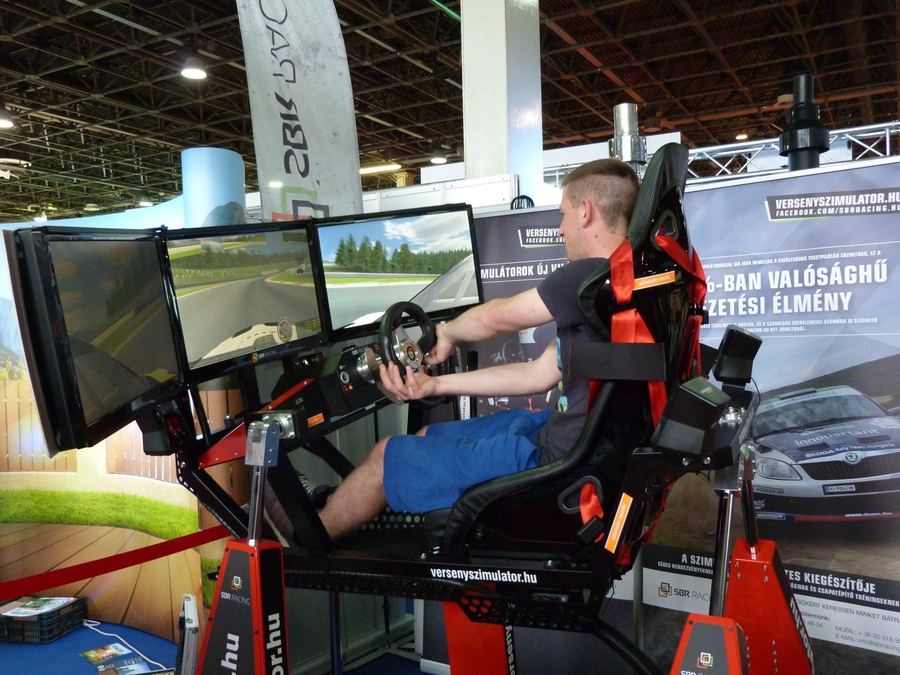
Priority Over Price
New sim racers frequently spend money in the wrong order — buying an expensive wheel before addressing a mounting solution that flexes, or investing in a triple-monitor setup before basic pedals with enough resolution to brake consistently. Getting the priority order right matters more than the total budget.
The general principle: fix anything that actively works against consistency first, then add realism and immersion afterward. A rigid, stable platform for basic equipment beats expensive equipment on a flexing desk.
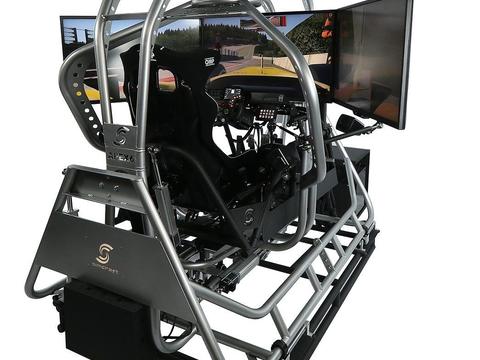
Priority One: A Rigid Mounting Solution
Before anything else, make sure your wheel and pedals are mounted to something that does not flex or move under load. A wheel bolted to a wobbly desk undermines every other piece of equipment, because inconsistent flex makes it impossible to build reliable muscle memory for braking points and steering inputs.
This does not require an expensive rig — a solidly built desk or a basic wheel stand designed for the purpose is enough at this stage. The goal is simply eliminating flex, not achieving a particular aesthetic.
Priority Two: A Wheel and Pedal Set
A basic force-feedback wheel and pedal set is the next priority, and an entry-level unit is genuinely sufficient to learn on. The single most important pedal characteristic is brake resolution — enough sensitivity in the brake pedal's travel to modulate braking force finely, rather than the pedal behaving like an on-off switch.
Steering wheel force feedback quality matters less at this stage than most beginners assume; it becomes more relevant once you are already consistent and looking to extract additional feel from the car.
Priority Three: A Seat and Restraint
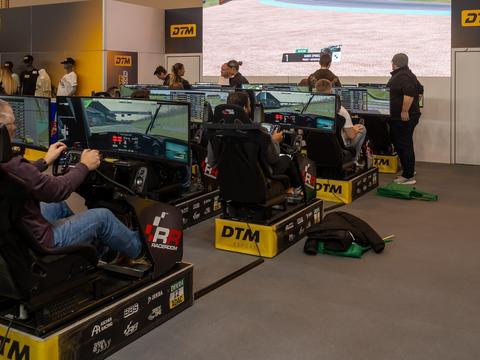
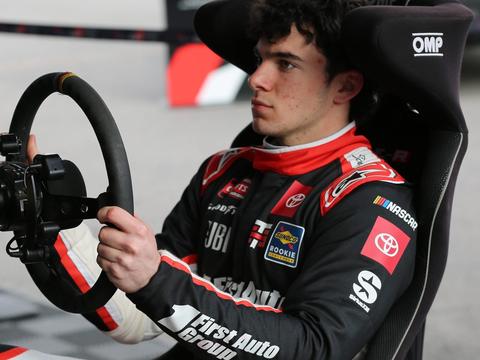
A proper seat, ideally with some form of harness or restraint, comes next. Being held securely in position under braking and cornering forces — even the comparatively mild forces of sim racing — improves consistency, because a body sliding around in an office chair introduces inputs the driver did not intend.
This does not need to be an expensive purpose-built rig seat immediately; a stable, well-secured seating position matters more than the specific product.
Priority Four: A Direct-Drive Wheelbase
Once the fundamentals above are solid, upgrading to a direct-drive wheelbase — where the motor connects straight to the wheel shaft with no belts or gears in between — delivers noticeably stronger and more detailed force feedback than entry-level belt or gear-driven units.
This is a genuine upgrade in feel and information from the car, but it is explicitly a later purchase, not a starting point — it improves on a foundation that needs to already be solid, rather than fixing inconsistency by itself.
Priority Five: Displays and Immersion
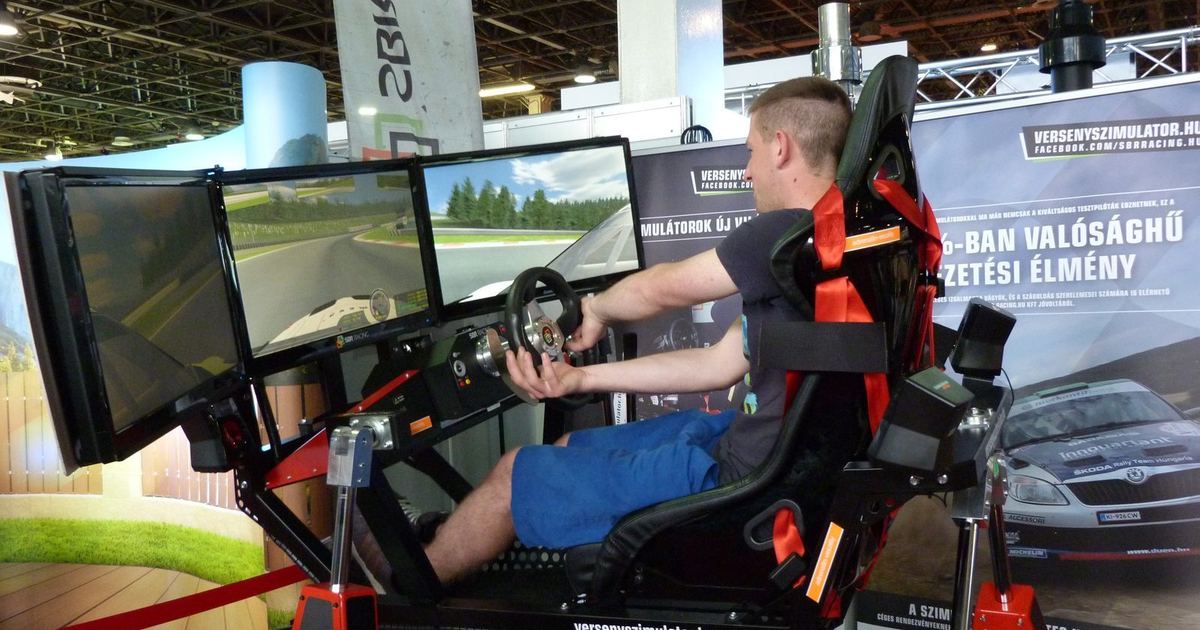
Multiple monitors or a VR headset improve immersion and situational awareness but do the least to actually improve lap times or consistency compared with every item above. They are legitimate quality-of-life upgrades, but they belong last in the spending order.
A driver with a single monitor, a rigid mount, decent pedals and a locked-in seating position will be more consistent than one with an impressive multi-monitor setup on a flexing desk with poor pedal resolution.
Frequently asked questions
What is the first thing I should buy for sim racing?
Not a wheel — first make sure your wheel and pedals will be mounted to something rigid that does not flex. A stable platform matters more than any single piece of equipment.
Do I need an expensive wheel to start sim racing?
No. An entry-level force-feedback wheel and pedal set is genuinely sufficient to learn on, provided the pedals have enough brake resolution to modulate braking force finely.
What is a direct-drive wheelbase?
A wheel where the motor connects directly to the wheel shaft with no belts or gears in between, delivering stronger and more detailed force feedback than entry-level belt-driven units. It is a genuine upgrade, but a later one.
Should I buy a seat before a good wheel?
A stable, secured seating position is generally a higher priority than upgrading wheel quality, since being held in position improves consistency by preventing unintended inputs from sliding around.
Are multiple monitors worth buying early in sim racing?
They improve immersion and situational awareness but do less to actually improve consistency or lap times than a rigid mount, decent pedals and a secure seating position, so they belong later in the spending order.
What matters more, wheel force feedback or pedal resolution?
Pedal resolution generally matters more early on, since fine brake modulation directly affects consistency, while wheel force feedback quality becomes more relevant once a driver is already consistent.
Can I start sim racing cheaply?
Yes. A solidly mounted entry-level wheel and pedal set with decent brake resolution is enough to begin competitive sim racing, with further hardware upgrades reasonably delayed until the fundamentals are solid.

Pippa has followed open-wheel racing for 12 years, from Formula 1's turbo-hybrid era to IndyCar's short ovals, and has watched competitive sim racing grow from a niche hobby into a genuine motorsport discipline in its own right. She covers circuit and open-wheel racing, touring cars and esports for CNMOTOS.
View all articles by Pippa Cook →