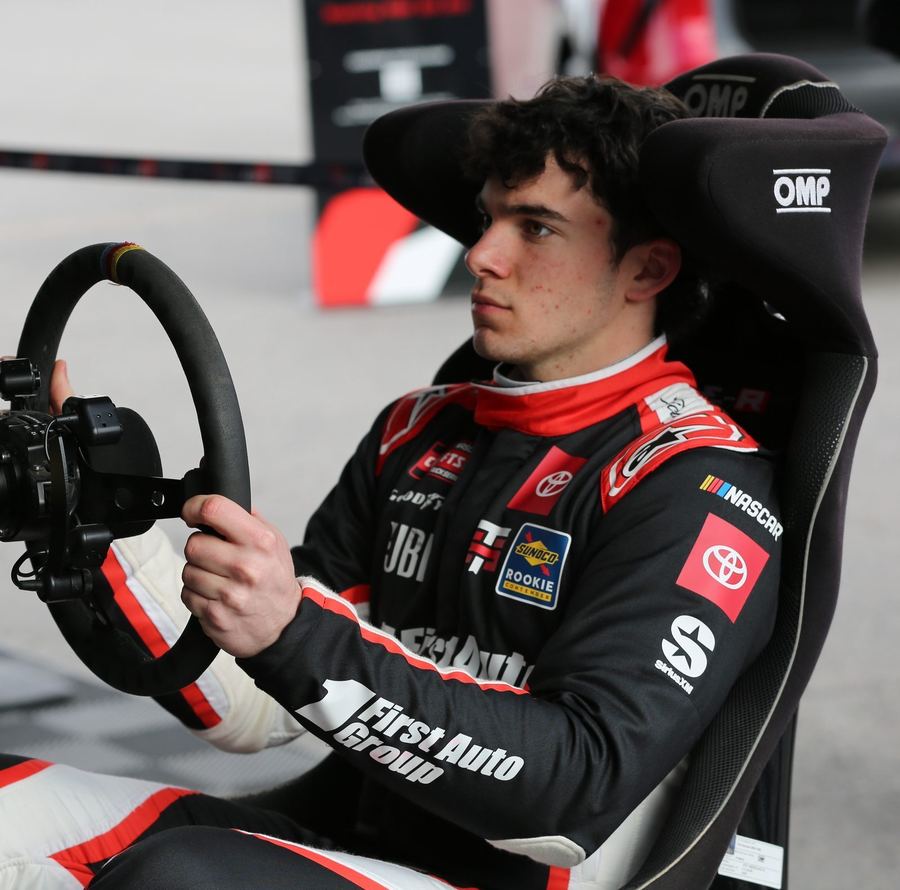
A Genuine, Ongoing Debate
Unlike most motorsport comparisons, this one is not settled — professional drivers, coaches and karting instructors genuinely disagree about whether sim racing or competitive karting builds real racecraft faster for a young or new driver. Both have committed advocates, and both have real limitations.
The honest answer is that they teach different things well and different things poorly, which is why most serious driver development programs now use both rather than choosing one over the other.
What Karting Teaches That Sim Racing Cannot
Karting teaches genuine physical car control under real g-forces, real consequences for mistakes, and the subtle feedback through a seat and steering wheel that no simulator fully replicates — a driver learns to feel exactly when a tire is about to let go in a way that current force feedback technology only approximates.
It also teaches real racecraft against other real drivers making real decisions under real pressure, including the physical and mental fatigue of an actual race weekend, none of which a sim session fully replicates.
What Sim Racing Teaches That Karting Cannot
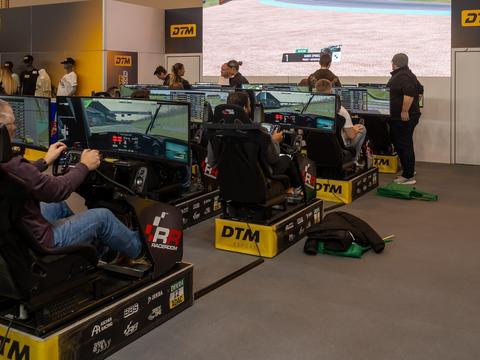
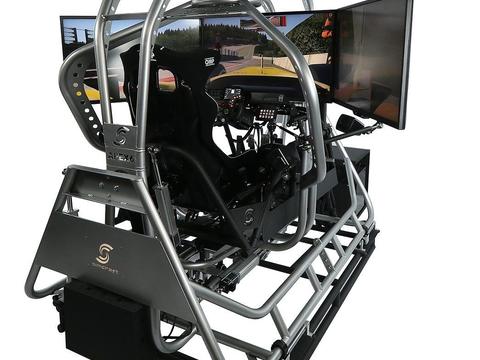
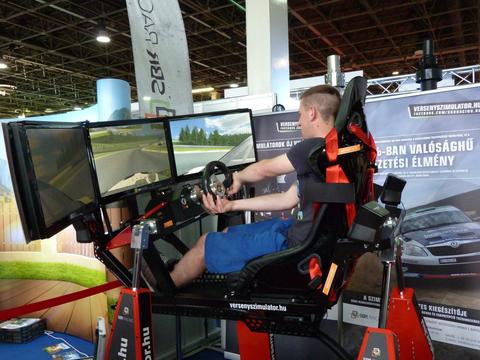
Sim racing allows vastly more repetition at a fraction of the cost and risk — a driver can run hundreds of laps of a specific corner in an evening, something no karting budget or track availability could match. It also exposes drivers to a far wider variety of cars and circuits than most karting budgets allow.
Racecraft against other drivers is genuinely learnable in competitive online sim racing too, particularly in well-moderated leagues with strict incident enforcement, even though the physical stakes are obviously different.
Cost and Accessibility
Sim racing has a dramatically lower cost of entry and ongoing cost than competitive karting, which has real consequences for who gets access to serious practice time. A driver with a modest sim setup can log more competitive laps in a month than many karting budgets allow in a season.
This makes sim racing a genuine equalizer for drivers who could not otherwise afford extensive track time, even though it cannot fully replace what real physical racing teaches.
What Professional Drivers Actually Do
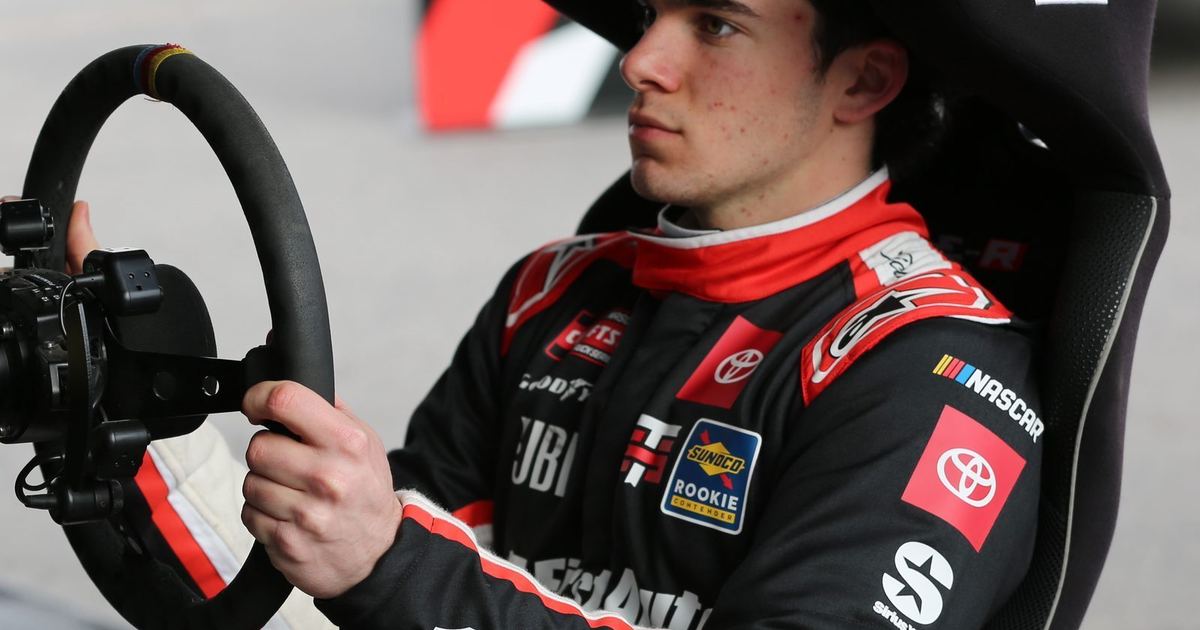
Most professional drivers who came up through karting still use sim racing extensively as a supplementary tool — for learning new circuits before a real session, for maintaining racecraft between real events, and increasingly as part of formal team preparation.
This practical reality is probably the best answer to the debate: professional teams treat the two as complementary tools rather than competing ones, using each for what it does best rather than picking a side.
The Honest Answer
For raw physical car control and real racecraft under genuine pressure, karting remains genuinely irreplaceable. For volume of repetition, circuit familiarity, and low-cost racecraft practice, sim racing offers something karting budgets simply cannot match.
Neither builds racecraft faster in every sense — they build different components of it, and the fastest path for most drivers, professional or otherwise, is combining both rather than choosing one.
Frequently asked questions
Is sim racing or karting better for learning to race?
Neither is definitively better — they teach different things. Karting teaches genuine physical car control and real racecraft under real consequences, while sim racing offers far more repetition and circuit exposure at much lower cost.
Do professional drivers use sim racing?
Yes, extensively, even those who came up through karting. Most use it as a supplementary tool for learning circuits, maintaining racecraft and formal team preparation between real events.
Can sim racing replace karting entirely?
No. Sim racing cannot fully replicate genuine physical g-forces, real mechanical consequences for mistakes, or the subtle seat-of-the-pants feedback a real kart provides.
Is sim racing cheaper than karting?
Considerably. A modest sim racing setup allows far more competitive laps per month than most karting budgets allow per season, making it a genuine equalizer for cost-limited drivers.
Can you learn real racecraft in sim racing?
Yes, particularly in well-moderated online leagues with strict incident enforcement, though the physical stakes and consequences are obviously different from real racing.
Why do driver development programs use both karting and sim racing?
Because each builds different components of racecraft well — karting teaches physical car control and real racecraft, sim racing offers volume of repetition and circuit variety — so combining both is more effective than choosing one.
What does karting teach that sim racing cannot?
Genuine physical car control under real g-forces, real mechanical consequences for mistakes, and subtle seat-and-wheel feedback that current sim technology only approximates.

Pippa has followed open-wheel racing for 12 years, from Formula 1's turbo-hybrid era to IndyCar's short ovals, and has watched competitive sim racing grow from a niche hobby into a genuine motorsport discipline in its own right. She covers circuit and open-wheel racing, touring cars and esports for CNMOTOS.
View all articles by Pippa Cook →