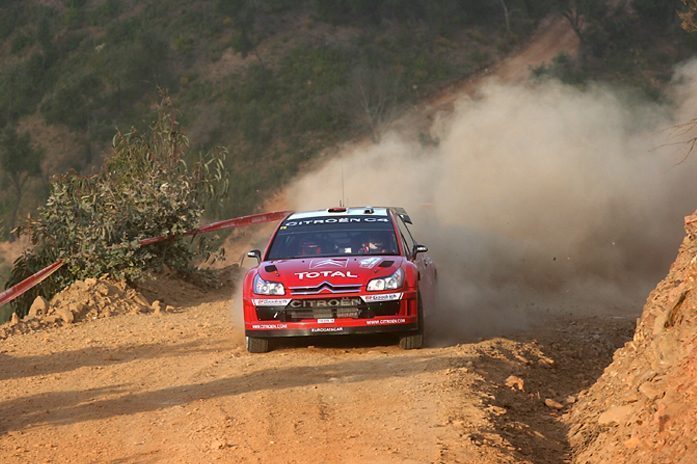
WRC has its own dense vocabulary, built around the sport's unique stage-by-stage format. Here are the terms a new fan will run into most often, defined plainly.
Recce
The reconnaissance runs crews complete before a rally, driving each stage at road-legal speed to compile the pace notes their co-driver will read back to them at full racing speed.
Pace notes
The co-driver's detailed, corner-by-corner script describing every feature of a stage, read aloud in real time so the driver can commit to blind corners at speed. See our full pace notes explainer.
Special Stage
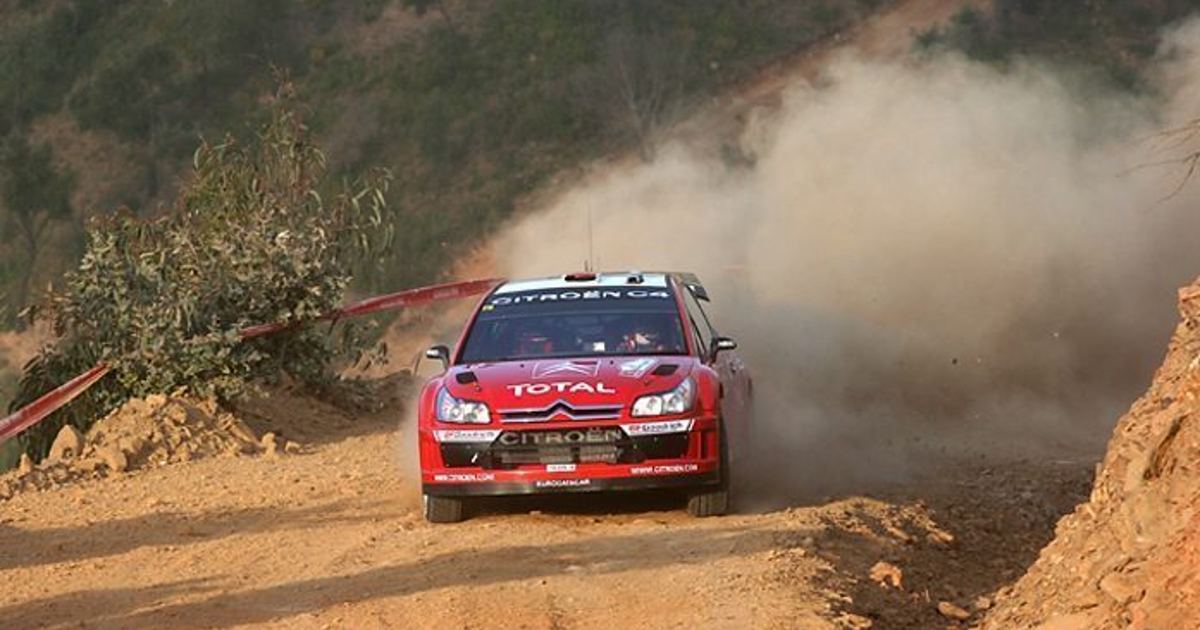
A single timed competitive section of a rally, run flat-out on closed public or forest roads, with the times from every stage across the weekend added together for the overall result.
Super Special Stage
A short, often stadium-style stage — sometimes run side-by-side against another car — usually held at the very start of a rally as a spectator-friendly opener rather than a serious competitive factor.
Service Park
The rally equivalent of a pit lane: a controlled area where teams can work on their cars between stages or at the end of each day, under strict time limits.
Parc fermé
A secured area where cars are held overnight or between sessions with no team access allowed, preventing any repairs or setup changes outside the permitted service windows.
Shakedown
A short test stage held before the rally proper begins, letting crews fine-tune car setup and get a first read on stage conditions.
Power Stage
The rally's final stage, where the five fastest crews earn separate bonus points on top of whatever they scored from overall rally position. See our full points system explainer.
Flying finish
The exact point where stage timing stops, allowing a crew to decelerate safely after the line rather than having to brake to a full stop exactly at the finish.
Time control (TC)
A checkpoint between stages where crews must check in within a target time window; arriving early or late results in time penalties.
Road book
The written route instructions guiding crews between stages on public transit roads, separate from the pace notes used during a competitive stage itself.
Rally1
The purpose-built top class of WRC, running on a dedicated tubular spaceframe chassis. See our WRC vs Rally2 comparison for how it differs from the class below it.
Rally2
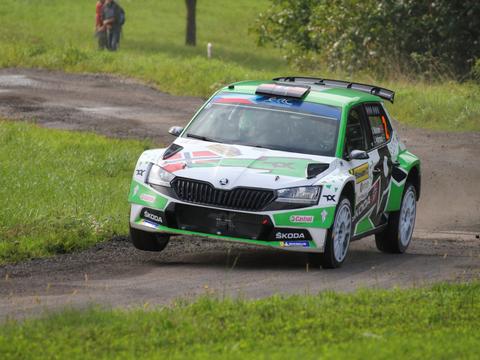
The production-based class directly below Rally1, also the backbone of most national rally championships worldwide, competing at WRC rounds as the separate WRC2 championship.
Co-driver
The crew member who reads pace notes aloud and manages timing and navigation, working as an equal partner to the driver rather than a passenger.
Liaison section
The public-road transit driving crews do between stages, following normal traffic laws, distinct from the closed-road competitive stages themselves.
Jump start penalty
A time penalty applied when a crew leaves the start line before the official countdown reaches zero, treated the same as any other timing infringement.
Manufacturers' Championship
A separate title decided alongside the Drivers' Championship, scored from each manufacturer's best-placed cars at every round rather than any single driver's results.
Homologation
The FIA approval process a car must pass before it's legally allowed to compete in a given class, confirming it meets that class's technical regulations.
DNF (Did Not Finish)
A crew that retires from the rally before completing it. A DNF scores zero points from that event, in the overall table and both bonus categories alike.
Gravel crew / ice notes
Additional pace-note annotations specific to loose-surface or winter rounds, flagging details like ruts, ice patches or cambers that don't matter on tarmac.
For the full championship structure these terms fit into, see our complete guide to WRC.
Frequently asked questions
What is a recce in WRC?
The reconnaissance runs crews complete before a rally, driving each stage at road-legal speed to compile the pace notes their co-driver reads back at full speed during the actual stage.
What is parc fermé?
A secured area where cars are held with no team access allowed, preventing repairs or setup changes outside permitted service windows.
What's the difference between a road book and pace notes?
A road book gives written route instructions for the public transit roads between stages. Pace notes are the co-driver's detailed script for an actual competitive stage.
What is a Super Special Stage?
A short, often stadium-style stage, sometimes run side-by-side against another car, usually held at the start of a rally as a spectator-friendly opener rather than a serious competitive factor.
What is the difference between Rally1 and Rally2?
Rally1 is WRC's purpose-built top class on a dedicated tubular chassis. Rally2 is a production-based class directly below it, also the backbone of most national rally championships worldwide.
What does a WRC co-driver actually do?
Reads pace notes aloud in real time and manages timing and navigation, working as an equal partner to the driver rather than a passenger.
What is a liaison section in WRC?
The public-road transit driving crews do between competitive stages, following normal traffic laws, distinct from the closed-road stages themselves.
What does DNF mean in rallying?
Did Not Finish — a crew that retires before completing the rally, scoring zero points from that event in every category.
What is homologation in motorsport?
The FIA approval process a car must pass before it's legally allowed to compete in a given class, confirming it meets that class's technical regulations.
Sources

Maya grew up watching rally stages and motocross before following both sports closely as an adult, and covers the off-road side of motorsport for CNMOTOS — from World Rally Championship gravel stages to Supercross stadiums and grassroots karting.
View all articles by Maya Torres →