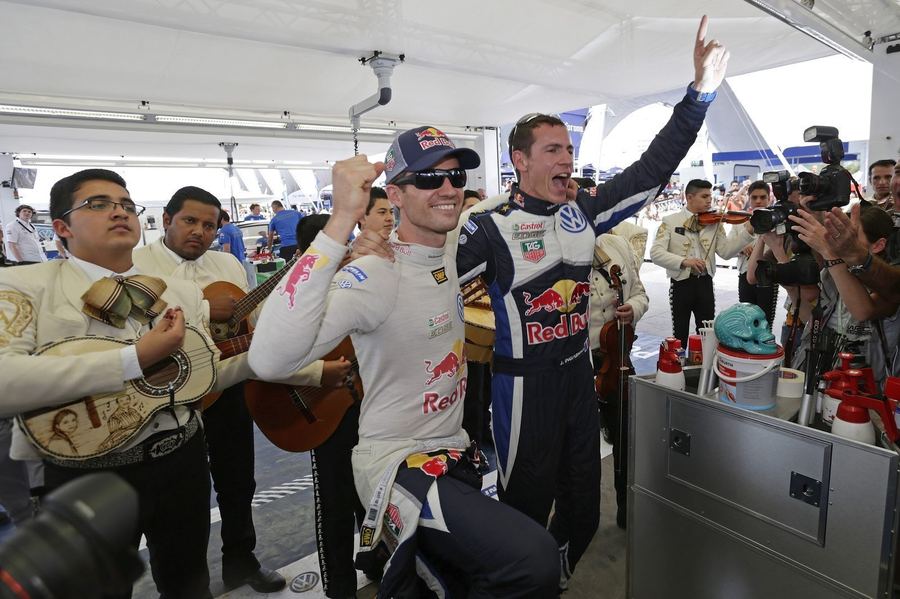
What actually separates the two classes
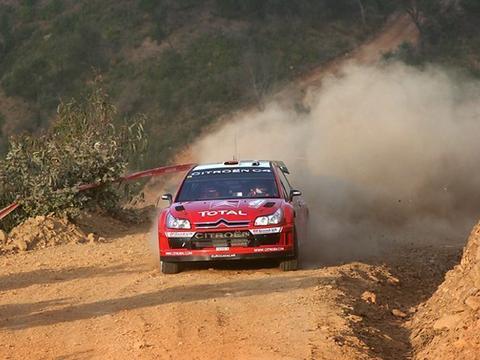
WRC's top class — officially Rally1 — and Rally2 are both real, FIA-recognized car classes that share the same rally weekends, the same stages and often the same start lists, but they're built to fundamentally different philosophies. Rally1 cars are purpose-built race cars wearing a manufacturer's body shape over a dedicated tubular spaceframe chassis. Rally2 cars stay much closer to their roots: a genuine production road car, reinforced and modified for competition rather than replaced underneath.
That's the same basic split as GT3 and GT4 in sportscar racing — a purpose-built top class versus a more production-based, lower-cost class directly below it — just applied to rallying instead of circuit racing.
Spec-by-spec comparison
The real, sourced numbers make the gap concrete:
| Spec | WRC (Rally1) | Rally2 |
|---|---|---|
| Power | ~330bhp, capped via a reference torque curve | ~290hp, capped via a 32mm air restrictor |
| Chassis | Purpose-built tubular spaceframe under a manufacturer body shape | Based on a genuine production car body and structure |
| Engine | Aligned to Rally2-equivalent engine and transmission specs since 2026 | Turbocharged 1.6L, mostly 4-cylinder (some 3-cylinder) |
| Hybrid power | Removed from the regulations starting in 2025 | None — never part of the class |
| New car cost | Capped around €400,000 | Roughly €270,000-€315,000 depending on package |
| Championship | The top-tier WRC drivers' and manufacturers' titles | WRC2 within the WRC weekend, plus most national rally championships worldwide |
Why the gap between them just got smaller
2026 brought a genuinely significant regulatory change that narrows the gap between these two classes further than it's ever been. The FIA removed hybrid power from Rally1 entirely — the current cars run without the control hybrid unit that had been mandatory since 2022 — and, more strikingly, Rally1's engine and transmission specifications are now aligned to Rally2 equivalence specifically to cut costs. Rally1 remains the faster, more expensive, purpose-built class, but the two classes' underlying mechanical packages are now closer to each other than at any point since Rally1 replaced the old World Rally Car regulations.
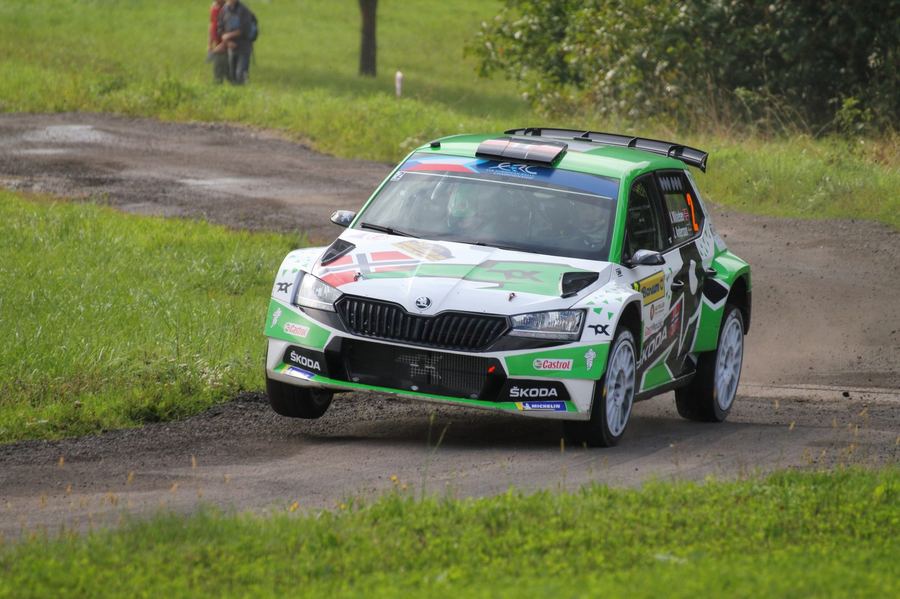
Where Rally2 actually races
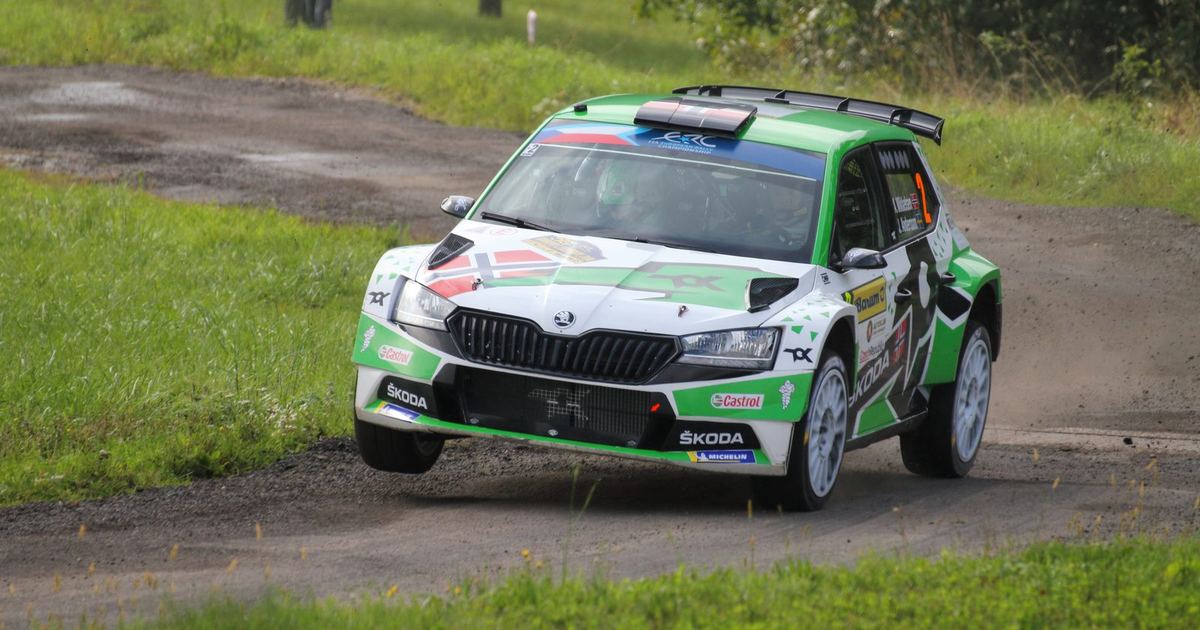
Rally2 machinery competes at the very top level of the sport as WRC2, run within the same WRC rally weekends as the top-tier Rally1 field but scored as a completely separate championship. Beyond that, Rally2 is genuinely the backbone of national and regional rally championships worldwide — it's the most common top-level car class a fan will actually see at a national rally anywhere from the Czech Republic to Argentina, far more widely raced in absolute numbers than the purpose-built Rally1 cars that only ever appear at full WRC rounds.
The rest of the ladder: Rally3, Rally4 and Junior WRC
Rally2 isn't the bottom of the pyramid either — Rally3 and Rally4 sit below it as progressively less powerful, less expensive entry classes, with Junior WRC serving as the FIA's dedicated development program for young co-driver and driver pairings working their way up toward Rally2 and eventually Rally1. The whole structure mirrors what F2 and F3 do for Formula 1 — a deliberately staged ladder rather than a single entry point.
Which one should a new fan actually follow?
WRC's Rally1 field is where the sport's biggest manufacturer names and fastest overall times live, and it's the class that decides the championships most fans actually care about. Rally2, through WRC2, offers a genuinely close, competitive undercard on the exact same stages and the exact same weekend — and it's usually the class a new fan will actually encounter first if they ever attend or watch a national rally rather than a full WRC round.
See our complete guide to WRC for the full pyramid and how the top-level championship itself works.
Frequently asked questions
What is the difference between WRC (Rally1) and Rally2 cars?
Rally1 cars are purpose-built race cars on a dedicated tubular spaceframe chassis producing around 330bhp. Rally2 cars are based on genuine production cars, reinforced for competition, producing around 290hp via a 1.6L turbocharged engine.
How much does a Rally1 car cost compared to a Rally2 car?
A new Rally1 car is cost-capped around €400,000. A new Rally2 car costs roughly €270,000-€315,000 depending on manufacturer and package.
Do WRC Rally1 cars still use hybrid power in 2026?
No — the FIA removed hybrid power from Rally1 regulations starting in 2025, and the cars continue to run without the control hybrid unit through 2026.
What is WRC2?
The championship for Rally2-spec cars, run within the same WRC rally weekends as the top-tier Rally1 field but scored as a completely separate championship with its own points table.
Are Rally1 and Rally2 engines the same in 2026?
They're now much closer than before — Rally1's 2026 regulations align its engine and transmission specifications to Rally2 equivalence specifically to control costs, though Rally1 remains the faster, more powerful class overall.
What classes sit below Rally2?
Rally3 and Rally4 sit below Rally2 as progressively less powerful, less expensive entry classes, with the Junior WRC program developing young crews toward Rally2 and eventually Rally1.
Where does Rally2 race besides the WRC calendar?
Rally2 is the most common top-level car class in national and regional rally championships worldwide, appearing at far more events than the purpose-built Rally1 cars, which only compete at full WRC rounds.
Is Rally2 a feeder class for WRC's top tier?
Informally, yes — many drivers use Rally2 and WRC2 results as the proving ground before stepping up to a factory Rally1 seat, though Rally2 is also a genuine, competitive class in its own right at national level.
Sources

Maya grew up watching rally stages and motocross before following both sports closely as an adult, and covers the off-road side of motorsport for CNMOTOS — from World Rally Championship gravel stages to Supercross stadiums and grassroots karting.
View all articles by Maya Torres →