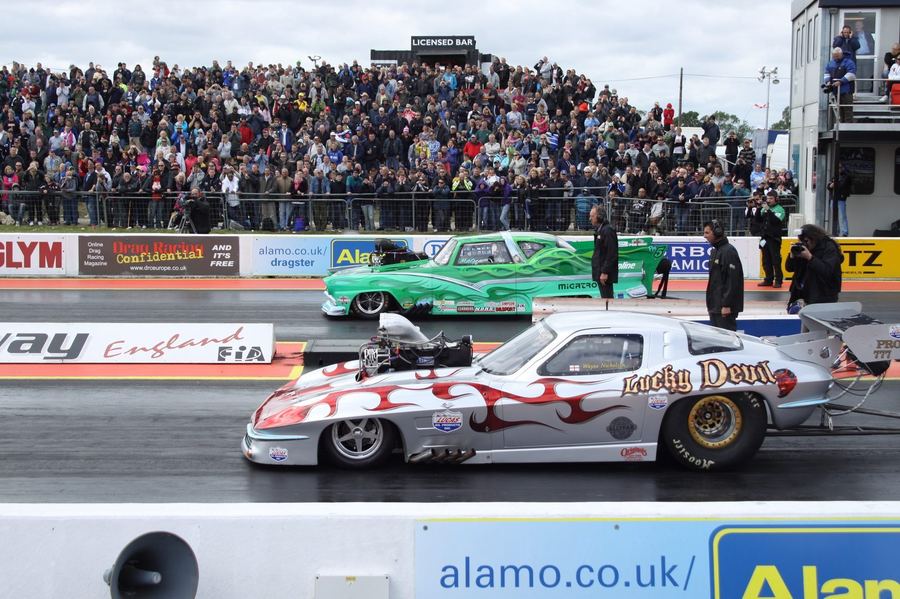
Fastest in a Straight Line vs Best Controlled Slide
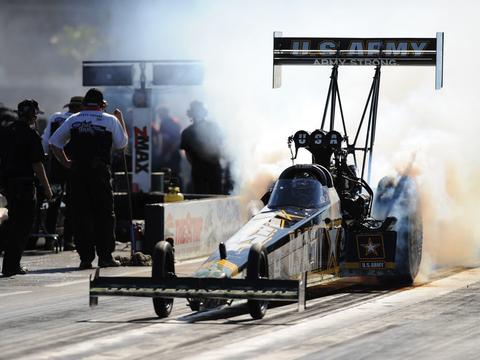
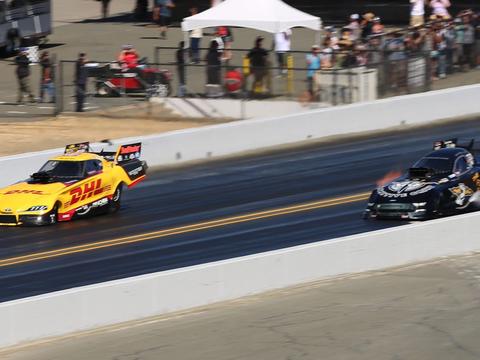
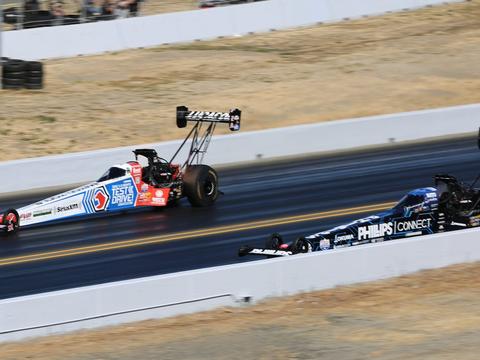
Drag racing is a pure test of straight-line acceleration over a fixed distance — the winner is whoever gets to the finish line first, decided by a stopwatch and reaction time rather than any subjective assessment. Drifting is judged, not timed: competitors are scored on how well they hold a car in controlled oversteer through a marked course.
This is the most fundamental difference between the two disciplines. Drag racing has no judging element whatsoever — it is entirely objective. Drifting has almost no timing element in the traditional sense — it is entirely judged.
Opposite Car Setup Philosophies
A drag car is built to maximize straight-line traction and minimize any sideways movement whatsoever — wheelie bars, weight distribution and tire compound are all engineered to keep the car going dead straight under maximum acceleration. A drift car is built specifically to break rear traction deliberately and hold that condition under control.
Where a drag car's differential and suspension setup exist to prevent any hint of a slide, a drift car's locked differential and extreme steering angle exist specifically to produce and sustain one.
A Few Seconds vs a Sustained Run
A professional drag race pass lasts under four seconds for the fastest classes — an explosive, extremely short event. A drift run lasts considerably longer, sustaining a controlled slide continuously through an entire marked course rather than a brief straight-line burst.
This duration difference reflects the different skills each discipline demands: drag racing rewards a single explosive, perfectly executed launch and straight-line run, while drifting rewards sustained control and consistency across a longer, more complex course.
Elimination Brackets vs Judged Tandem Battles
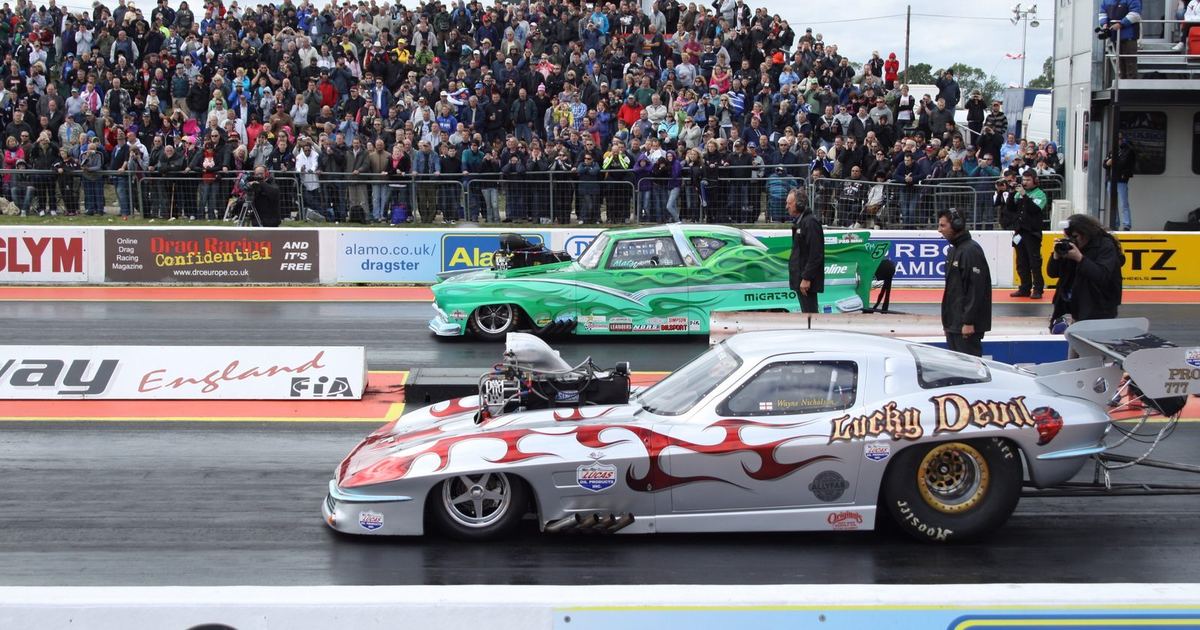
Drag racing uses single-elimination brackets decided purely by who crosses the line first or who fouls. Drifting uses judged qualifying followed by tandem battles, where two cars run together and judges assess whose run was better based on line, angle and style rather than any timing device.
Both formats ultimately produce head-to-head competition between two competitors, but the criteria for winning — objective time versus subjective judged assessment — could not be more different.
Is There Any Skill Overlap?
Some skills transfer between the two: reaction time and launch control matter in both disciplines, and a car-control feel for grip and traction limits is broadly useful across most motorsport. But the specific techniques — preventing a slide in drag racing versus deliberately inducing and sustaining one in drifting — are genuinely different, even opposite, skills.
It is not common for a competitor to seriously compete at a professional level in both disciplines simultaneously, since the specific technical mastery each demands takes considerable dedicated practice to develop.
Which Is More Exciting to Watch?
Drag racing offers brief, explosive spectacle — a few seconds of maximum violence followed by an immediate, unambiguous result. Drifting offers sustained visual drama across a longer run, with tandem battles adding genuine head-to-head tension as two cars run together.
Both are highly accessible to a first-time viewer in different ways: drag racing's result needs no explanation, while drifting's spectacle is immediately visually impressive even before a viewer fully understands the judging criteria.
Frequently asked questions
What is the main difference between drag racing and drifting?
Drag racing is a pure timed contest decided by who crosses the finish line first. Drifting is judged, not timed, with competitors scored on how well they hold a car in controlled oversteer through a marked course.
Which lasts longer, a drag race or a drift run?
A professional drag race pass lasts under four seconds for the fastest classes, while a drift run sustains a controlled slide continuously through an entire course, generally lasting considerably longer.
Are drag cars and drift cars built the same way?
No, they use opposite setup philosophies. Drag cars are built to prevent any sideways movement and maximize straight-line traction. Drift cars use a locked differential and extreme steering angle specifically to produce and sustain a controlled slide.
Do drag racing and drifting use similar competition formats?
Both use head-to-head competition, but drag racing decides winners through single-elimination brackets based purely on time, while drifting uses judged qualifying and tandem battles scored on line, angle and style.
Can a driver compete professionally in both drag racing and drifting?
It is uncommon at a serious professional level, since the specific technical skills each demands — preventing a slide versus deliberately sustaining one — are genuinely different and each takes considerable dedicated practice.
Is drag racing judged like drifting?
No. Drag racing has no judging element — the winner is decided entirely objectively by who crosses the finish line first or who commits a foul, unlike drifting's subjective judged scoring.
Which is easier for a beginner to understand, drag racing or drifting?
Drag racing's result needs essentially no explanation, since it is purely who finishes first. Drifting's spectacle is immediately visually impressive, though understanding the judging criteria takes a bit more background.

Jack has been a motorcycle racing enthusiast for as long as he can remember. For CNMOTOS, he covers everything from MotoGP and World Superbike to drag racing and the sport's more niche corners, like sidecar and three-wheel racing.
View all articles by Jack Korpela →