Dry Lakebed Origins
Drag racing's earliest organized roots trace to dry lakebed racing in the American Southwest, where enthusiasts found flat, open expanses ideal for testing how quickly a modified car could cover a set distance from a standing start, long before any formal sanctioning structure existed.
These informal gatherings established the basic proposition that still defines drag racing today: two vehicles, a fixed distance, a standing start, and the simplest possible measure of success — whoever gets there first, or fastest.
The Street Racing Problem
As car culture grew after World War II, informal drag racing increasingly moved onto public streets, creating genuine safety problems and legal risk for participants and bystanders alike. This unsafe, unregulated street racing was a direct catalyst for organizing the sport formally.
Sanctioning bodies emerged specifically to give racers a safe, legal, organized alternative to street racing, channeling the same competitive impulse into a controlled environment with proper safety equipment and dedicated facilities.
The Founding of the NHRA
The National Hot Rod Association was founded specifically to bring formal structure, safety standards and legitimate competition to drag racing, establishing rules, sanctioned events and a proper governing body where none had previously existed.
This formalization was the turning point that allowed drag racing to develop into genuine professional motorsport, with dedicated tracks, standardized safety requirements and a real competitive structure rather than remaining an informal, dangerous street pursuit.
The Rise of Professional Classes
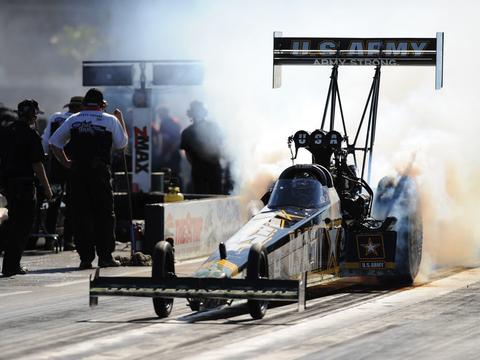
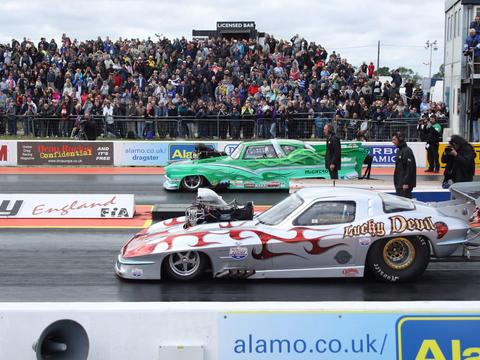
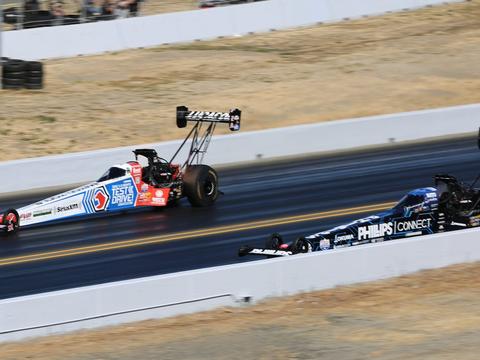
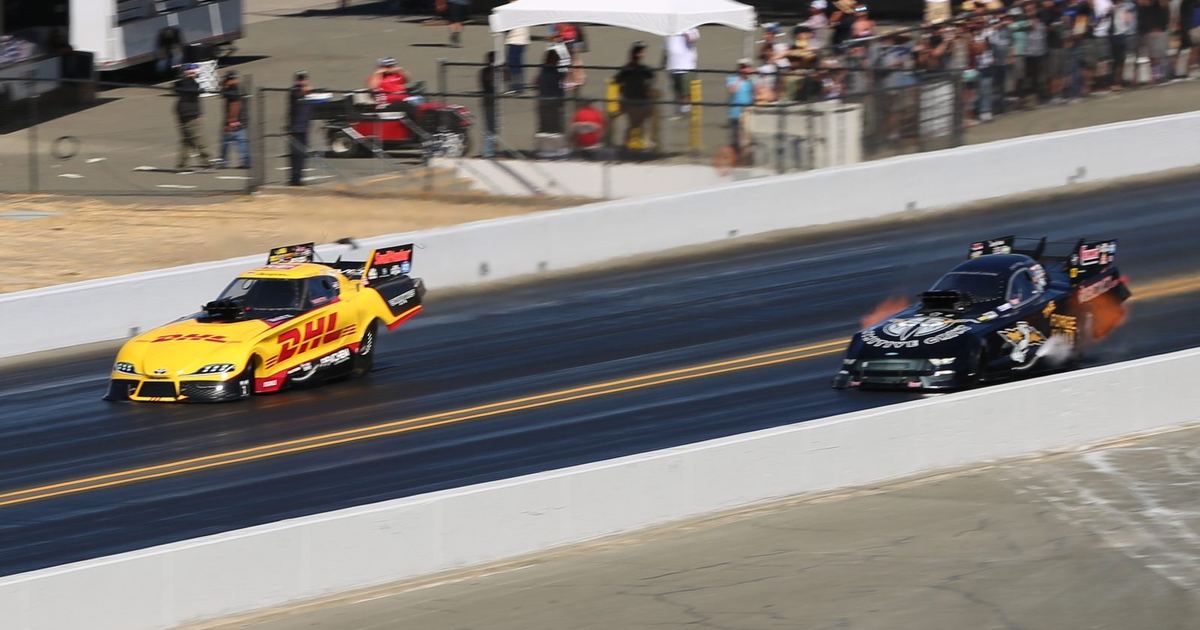
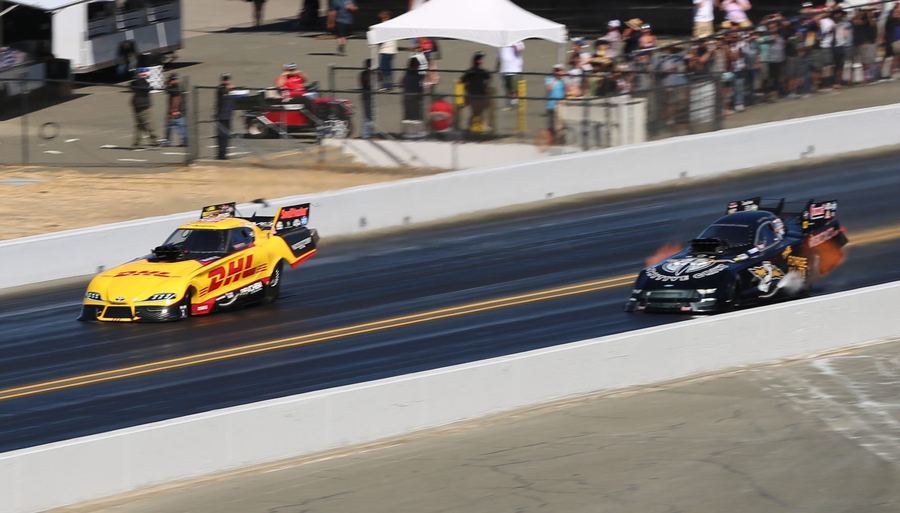
As the sport professionalized, distinct classes emerged for different types of machinery — dedicated dragsters built purely for straight-line speed, and doorslammer-style cars retaining more visual resemblance to production vehicles — each developing its own technical trajectory and fan following.
Over subsequent decades, these professional classes pushed straight-line performance to genuinely extreme levels, with elapsed times and speeds that would have seemed implausible to the sport's dry-lakebed founders.
Safety's Long Evolution
As speeds increased dramatically across decades of professional competition, drag racing's safety standards evolved considerably alongside performance — chassis construction, driver restraint systems, parachutes and shutdown area design have all been repeatedly refined in response to the sport's own escalating speeds.
This ongoing safety evolution reflects a pattern common across high-performance motorsport generally: performance and safety development have had to advance together, rather than safety simply catching up after the fact.
Drag Racing Today
Modern professional drag racing, anchored by the NHRA's national tour, represents a mature, safety-conscious, genuinely elite motorsport discipline, a considerable distance from its dry-lakebed and street-racing origins, even though the core proposition — a straight-line contest from a standing start — has remained essentially unchanged.
That continuity between drag racing's origins and its modern professional form is part of what gives the sport its distinct identity: unlike many motorsport disciplines that have changed format repeatedly, drag racing's fundamental competitive premise has stayed remarkably consistent even as the machinery and safety standards transformed completely.
Frequently asked questions
Where did drag racing originate?
On dry lakebeds in the American Southwest, where enthusiasts tested how quickly a modified car could cover a set distance from a standing start, long before any formal sanctioning body existed.
Why was the NHRA founded?
To bring formal structure, safety standards and legitimate competition to drag racing, giving racers a safe, organized alternative to increasingly dangerous unregulated street racing.
Was drag racing originally a street racing problem?
Yes, in part. As car culture grew after World War II, informal drag racing increasingly moved onto public streets, creating safety and legal problems that were a direct catalyst for formal sanctioning.
How has drag racing safety changed over time?
Considerably. Chassis construction, driver restraint systems, parachutes and shutdown area design have all been repeatedly refined in response to the sport's own escalating speeds across decades of competition.
Has drag racing's basic format changed much since its origins?
No, remarkably little. The core proposition — two vehicles, a fixed distance, a standing start, and whoever gets there first or fastest — has remained essentially unchanged even as machinery and safety standards transformed completely.
What are the two main types of professional drag racing car?
Dedicated dragsters built purely for straight-line speed, and doorslammer-style cars that retain more visual resemblance to production vehicles, each with its own technical trajectory and following.
Is drag racing still evolving today?
Yes, modern professional drag racing continues to develop safety standards and technical rules, representing a mature, safety-conscious discipline considerably removed from its informal dry-lakebed and street-racing origins.

Jack has been a motorcycle racing enthusiast for as long as he can remember. For CNMOTOS, he covers everything from MotoGP and World Superbike to drag racing and the sport's more niche corners, like sidecar and three-wheel racing.
View all articles by Jack Korpela →