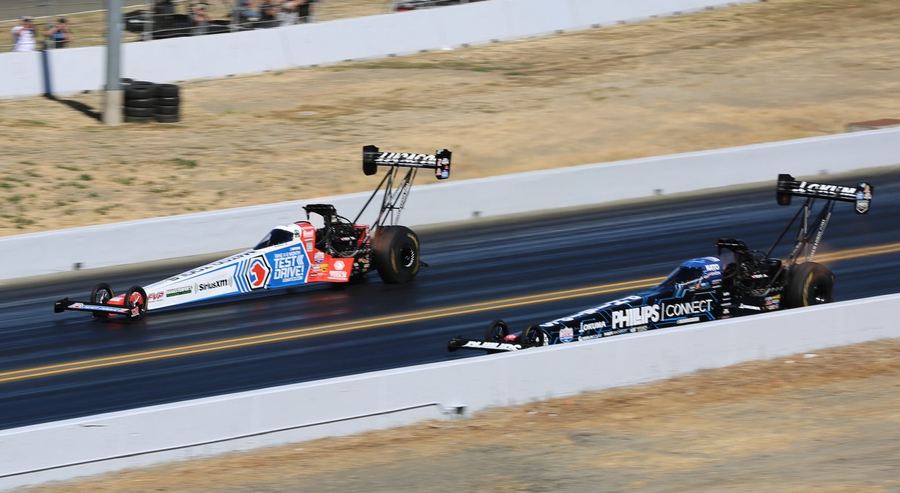
Start With a Test-and-Tune Night
Most local drag strips run regular test-and-tune sessions open to ordinary street-legal cars, giving anyone with a roadworthy vehicle, a valid license and appropriate safety gear the chance to make timed passes down the strip in a low-pressure, non-competitive environment.
This is by far the most accessible realistic entry point into drag racing, requiring no special car preparation beyond basic safety compliance and no prior racing experience or license beyond what most tracks require for casual participation.
What Your Own Car Actually Needs
For a test-and-tune session, most tracks require only that a car pass a basic safety inspection — secure battery, no fluid leaks, functioning brakes and seatbelts — rather than any drag-racing-specific modification. A completely stock daily driver is generally welcome.
As elapsed times get quicker through further modification, additional safety requirements such as roll bars, fire-resistant clothing and specific harnesses become mandatory at defined performance thresholds, but a beginner's first few sessions typically fall well below those requirements.
When You Need an Actual Competition License
Entering sanctioned bracket racing or class competition, rather than casual test-and-tune passes, typically requires an NHRA competition license, with specific licensing tiers tied to how quickly a car and driver combination is capable of running.
Bracket racing in particular is a genuinely accessible competitive format for a beginner with a modestly quick street car, since it handicaps cars of different performance levels against each other based on a driver's own predicted elapsed time, rather than requiring an extremely fast purpose-built car to compete fairly.
Safety Gear You Will Actually Need
A DOT- or Snell-approved helmet is typically required even for a first test-and-tune pass in most cars, and long sleeves and pants are commonly mandated regardless of car type. Faster cars trigger additional requirements as elapsed times drop below defined thresholds.
Tracks generally publish their specific safety requirements by elapsed time bracket, so checking your local track's exact rules before a first visit avoids being turned away for missing equipment on the day.
Why Bracket Racing Is the Best Beginner Format
Bracket racing lets a driver predict their own elapsed time before a run, then race to hit that prediction as closely as possible without going faster than predicted — a format that rewards consistency and reaction time over sheer car performance, making it genuinely fair between a modest street car and a heavily built one.
This handicap structure is precisely why bracket racing remains one of grassroots motorsport's most accessible and popular formats, giving a driver in an ordinary car a realistic chance of beating a much faster machine on a given day.
A Realistic First Step
The genuinely realistic path for most newcomers is a test-and-tune night in a car you already own, followed by trying a bracket racing event once comfortable with the basic staging and launch procedure, rather than building or buying a dedicated race car before ever having made a single pass.
Most drag strips are considerably more welcoming to complete beginners than the sport's professional television coverage might suggest, and staff at test-and-tune events are generally happy to walk a first-timer through the staging and starting procedure.
Frequently asked questions
Can I drag race my regular street car?
Yes, at a test-and-tune night, most tracks welcome ordinary street-legal cars that pass a basic safety inspection, with no drag-racing-specific modification required for casual participation.
Do I need a racing license to try drag racing?
Not for casual test-and-tune sessions. A competition license is typically only required for sanctioned bracket racing or class competition, with specific tiers tied to how quickly a car and driver combination can run.
What safety gear do I need for my first drag racing session?
Typically a DOT- or Snell-approved helmet and long sleeves and pants, even in a modest street car. Faster cars trigger additional requirements like roll bars and fire-resistant clothing at defined elapsed-time thresholds.
What is bracket racing?
A handicap racing format where a driver predicts their own elapsed time before a run and races to hit that prediction as closely as possible, rewarding consistency and reaction time over sheer car performance.
Is bracket racing fair for a slower car against a faster one?
Yes, that is the whole point — the handicap structure means a driver in a modest street car has a realistic chance of beating a much faster, heavily modified car on a given day.
What is a test-and-tune night?
A regular session at most local drag strips open to ordinary street-legal cars, letting anyone with a roadworthy vehicle and basic safety gear make timed passes in a low-pressure, non-competitive environment.
How do I know what safety requirements my car needs?
Tracks generally publish their specific safety requirements by elapsed time bracket, so checking your local track's exact rules before a first visit avoids being turned away for missing equipment.

Jack has been a motorcycle racing enthusiast for as long as he can remember. For CNMOTOS, he covers everything from MotoGP and World Superbike to drag racing and the sport's more niche corners, like sidecar and three-wheel racing.
View all articles by Jack Korpela →